Spring Moving in Los Angeles: Complete 2026 Checklist

- Why Spring Moving in Los Angeles Is Different
- Your 8-Week Spring Moving Timeline
- LA Weather Considerations for Spring Moves
- Booking Strategies That Actually Work
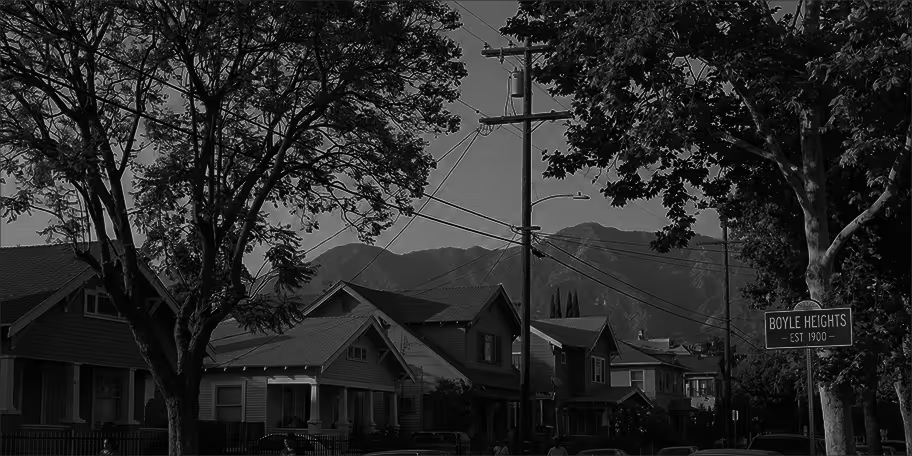
- Neighborhood-Specific Spring Challenges
- The Spring Decluttering Advantage
- Administrative Tasks: The Complete Spring Checklist
- Working with Your Building: COIs and Elevator Reservations
- Packing for Spring Conditions
- Settling In: Your First Month After a Spring Move
- Frequently Asked Questions
Last Tuesday, I got a call from a client who'd just accepted a job offer in Culver City—starting April 15th. She was still living in her Koreatown apartment, hadn't given notice yet, and was panicking about whether she could even find movers during "spring rush." I told her what I'm going to tell you: spring moving in Los Angeles is absolutely manageable, but it requires a different playbook than moving in the slower winter months.
I'm Julia, a Personal Moving Consultant at Green Moving, and I've helped hundreds of families navigate spring relocations across LA and Orange County. Over the past four years, I've noticed distinct patterns in spring moves—from the jacaranda pollen that covers everything in purple to the marathon weekends when everyone seems to be moving at once. This checklist is built from real client experiences and the solutions we've developed together.
Why Spring Moving in Los Angeles Is Different
Spring—roughly March through May—is the second busiest moving season in Los Angeles, right behind summer. According to industry data as of 2026, moving companies in the LA metro area see a 40-50% increase in bookings between March and May compared to January and February. This surge is driven by several LA-specific factors that don't affect other cities the same way.
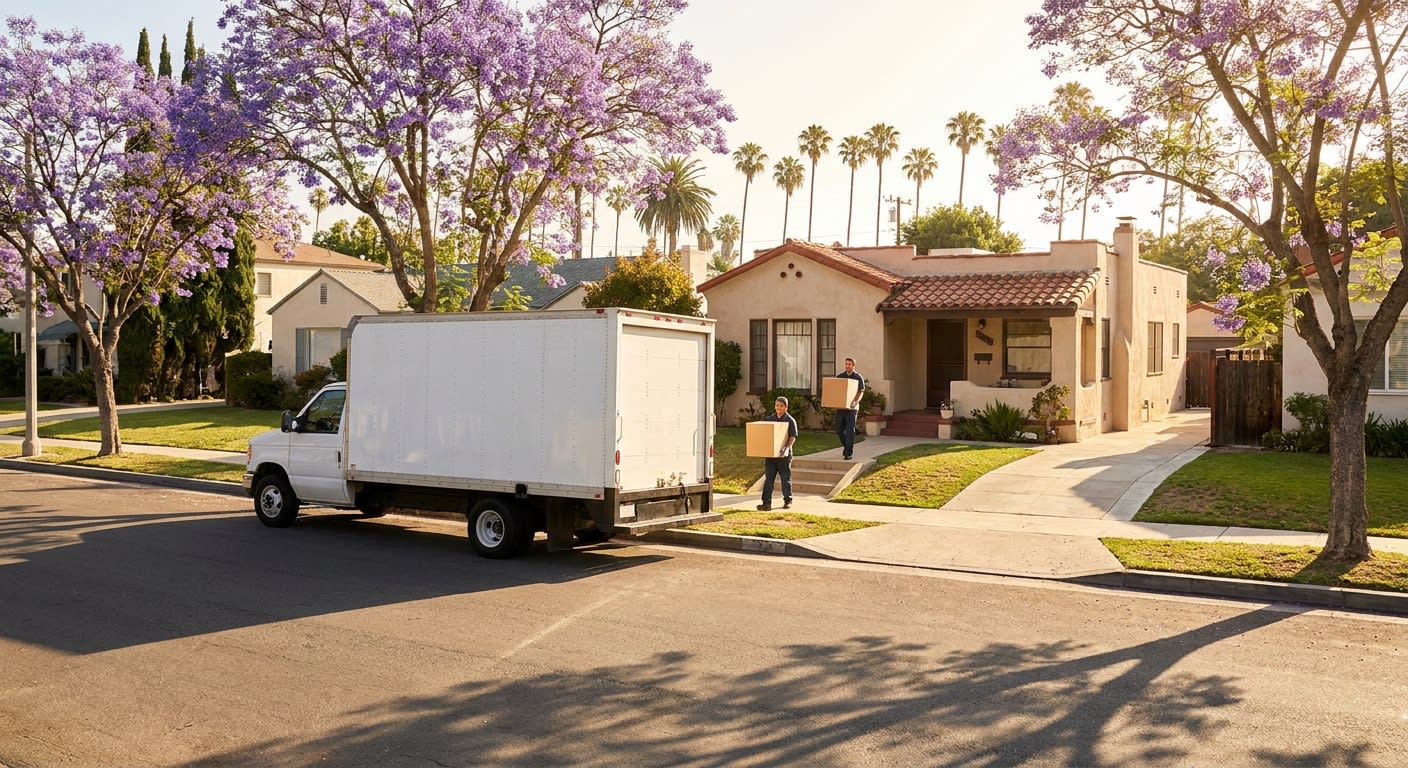
First, there's the entertainment industry hiring cycle. Pilot season traditionally runs January through April, which means actors, writers, and crew members are constantly relocating for new projects. I've moved clients from Burbank to Venice and back again within the same spring. Second, the academic calendar pushes families to move before the school year ends—nobody wants their kids switching schools mid-semester. Third, and this one surprises people, LA's rental market tends to turn over heavily in spring because so many leases start April 1st or May 1st after the slower winter months.
The practical result? You're competing for moving crews, elevator reservations, and parking permits with a lot of other motivated people. But here's what I tell my clients: competition isn't the same as impossibility. It just means you need to plan smarter.
Your 8-Week Spring Moving Timeline
I've refined this timeline based on hundreds of spring moves. If you're reading this with less than 8 weeks until your move date, don't panic—just compress the early stages and prioritize the items I've marked as critical.
Weeks 8-7 (Critical): Book your movers immediately. For spring moves, I recommend securing your date at least 6-8 weeks out. Weekends in April and May book up fastest—Saturday moves in particular can be gone a month in advance. If you have any flexibility, consider a mid-week move; you'll have more availability and often better rates. This is also when you should give notice to your landlord and start researching your new neighborhood.
Weeks 6-5: Begin decluttering room by room. My colleague's 6-week decluttering timeline is perfect for this phase. Spring is actually ideal for donating—local charities in LA are actively collecting before summer programs begin. I always tell clients: every box you don't pack is money saved and time recovered.
Weeks 4-3: Gather packing supplies and start with rarely-used items. Books, off-season clothes, decorative items—anything you won't need in the next month. If you're using our packing services, this is when we'll schedule your pre-move consultation to assess your inventory.
Weeks 2-1: Pack aggressively, confirm all reservations, and handle address changes. More on the specific administrative tasks below.
LA Weather Considerations for Spring Moves
People assume LA weather is always perfect, but spring brings its own challenges that I've learned to plan around. March and April can still see rain—we average about 2-3 inches across these months as of 2026—and a wet moving day changes everything from how we wrap furniture to how quickly we can load the truck.
When I'm scheduling spring moves, I always check the extended forecast about a week out. If rain looks likely, we discuss contingency plans with the client. Here's what I typically recommend: have plastic sheeting ready for furniture, keep towels accessible for wiping down items, and accept that the move might take slightly longer. Most professional crews, including ours, are experienced with wet-weather protocols, but it's something to mentally prepare for.
Then there's the wind. Santa Ana conditions can extend into March, and I've seen moves in the San Fernando Valley where we had to secure lighter items against gusts. If you're moving to or from areas like Sylmar, Santa Clarita, or the Antelope Valley corridor, spring wind is a real factor in how we pack and load.
The flip side? Spring temperatures are genuinely ideal for moving. You're not dealing with the brutal August heat that can exhaust crews and warp certain materials. Most spring days in LA sit between 65-75°F—comfortable for physical labor and safe for heat-sensitive items like candles, vinyl records, and certain electronics.
Booking Strategies That Actually Work
Here's what I've learned from years of spring booking patterns: flexibility is your biggest asset, but there are specific types of flexibility that matter most.
First, day-of-week flexibility. As I mentioned, weekends are premium. But here's a nuance—Friday moves are often nearly as available as Tuesday or Wednesday because most people don't think of them. If you can take one day off work, Friday gives you the weekend to unpack while still avoiding Saturday premiums.
Second, time-of-day flexibility. Early morning slots (7-8 AM starts) book fastest because everyone wants to be done by afternoon. But I've had clients thrilled with 10 AM or even noon starts—especially if they're moving within the same neighborhood and the drive time is minimal. Later starts also mean less morning traffic for the truck.
Third, date-range flexibility. If you tell me "I need to move April 15th," I have one option. If you tell me "I need to move between April 12th and April 18th," I have seven options—and I can usually find you the best crew availability and potentially better pricing within that window.
One thing that doesn't help as much as people think: waiting until the last minute hoping for cancellations. Unlike airlines, moving cancellations in spring get filled almost immediately. Book early and lock in your date.

🌸 Planning a spring move in LA? Our local moving team books up fast this season—reserve your date early. Call (949) 266-9445 or get a free quote today.
Neighborhood-Specific Spring Challenges
After helping with moves across every corner of LA County, I've compiled notes on spring-specific quirks by area. Here's what I warn my clients about:
Westside (Santa Monica, Venice, Mar Vista): Street parking permits are harder to secure in spring because of increased tourism and outdoor events. The Santa Monica farmers markets also create parking blackout zones—if you're moving near the Wednesday market on Arizona Avenue or the Saturday market on the Promenade, plan your truck positioning carefully. I covered parking strategies in detail with my colleague's Santa Monica parking survival guide.
Hollywood/West Hollywood: Spring means festival season. If your move coincides with any major events at the Hollywood Bowl (which starts its season in late spring) or street closures for film premieres, your route planning needs adjustment. I always check the FilmLA permit calendar before confirming logistics for this area.
Silver Lake/Echo Park: The hills bloom beautifully in spring, but the narrow, winding streets can be tricky when wet. I've had moves in the Silver Lake hills where we couldn't use our largest truck due to steep grades combined with damp conditions. If you're moving to one of these hillside homes, ask your moving company about their vehicle options.
San Fernando Valley: Spring pollen is intense here. If anyone in your household has allergies, I recommend scheduling your unpacking to happen with windows closed during peak pollen hours (typically 5-10 AM). The Valley also sees spring wind more intensely than the basin—plan accordingly for outdoor furniture and plants.
The Spring Decluttering Advantage
I'm a big believer in using your move as a reset opportunity, and spring is psychologically perfect for this. There's a reason "spring cleaning" is a cultural phenomenon—the longer days and warmer weather genuinely motivate people to let go of things they've been holding onto.
Here's my system for spring move decluttering, which I've refined with clients over the years:
The 90-Day Rule: For each item, ask yourself: have I used this in the last 90 days (excluding seasonal items)? Will I definitely use it in the next 90 days? If both answers are no, it's a declutter candidate.
The Donation Calendar: In spring, LA-area charities are actively preparing for summer programs and often have more capacity than during the holiday season. Organizations like the LA Mission, Goodwill of Southern California, and Habitat for Humanity ReStores are all accepting donations. I keep a running list of which organizations will do free pickup versus drop-off only.
The Packing Test: If you're dreading packing something—if the thought of wrapping it, boxing it, and unpacking it feels exhausting—that's data. Your future self doesn't want to deal with it either. Consider this your permission to let it go.
One thing I love about working with Green Moving: our commitment to donating 1% of every move to California environmental causes means that clients who use us are already contributing to the local community. When you combine that with thoughtful decluttering and donation, your spring move becomes genuinely beneficial beyond just your household.
Administrative Tasks: The Complete Spring Checklist
This is the unsexy part of moving that trips people up. I've created this comprehensive list after years of clients calling me post-move saying "I forgot to..."
2-4 Weeks Before:
- Submit USPS mail forwarding (do this online at least 2 weeks early—spring volume slows processing)
- Update address with DMV (California requires this within 10 days of moving)
- Transfer or set up utilities (LADWP can have spring wait times—call early)
- Update address with banks, credit cards, and investment accounts
- Notify your employer's HR department
- Update voter registration
- Transfer or cancel gym memberships
- Schedule final walk-through with current landlord
1 Week Before:
- Confirm moving reservation (I always call clients to reconfirm details)
- Secure parking permits if required (some LA neighborhoods require 72-hour advance posting)
- Arrange elevator reservation for high-rise buildings
- Notify building management of your move date at both locations
- Prepare payment for movers
- Pack a personal essentials bag (medications, documents, phone chargers, one change of clothes)
Moving Day:
- Do final walkthrough of old place, checking all closets, cabinets, and storage areas
- Read utility meters and document with photos
- Collect all keys, parking passes, and access cards
- Confirm delivery address with crew lead before departure
Working with Your Building: COIs and Elevator Reservations
If you're moving to or from a managed building—apartment complex, condo, or high-rise—spring move season means tighter scheduling for building resources. I've seen clients lose their preferred moving date because they didn't request elevator time early enough.
Most LA buildings require advance notice ranging from 48 hours to 2 weeks. Larger luxury buildings often require a Certificate of Insurance (COI) from your moving company naming the building as additionally insured. At Green Moving, we handle COI requests routinely—just give us your building management's requirements and we'll have it ready. But some clients working with smaller moving companies don't realize this is needed until the last minute, and then they're scrambling.
For high-rise moves specifically, spring's mild temperatures are actually a blessing. The freight elevator (when available) doesn't have the HVAC strain that summer brings, and building loading docks are more comfortable for crews. I discuss the full logistics of tower moves in our high-rise moving guide.
My advice: contact your building management at both locations as soon as you have your moving date. Get everything in writing. Confirm again 3 days before.
Packing for Spring Conditions
Spring in LA means packing for two potential scenarios: pleasant and dry, or occasionally wet. Here's how I advise clients to prepare:
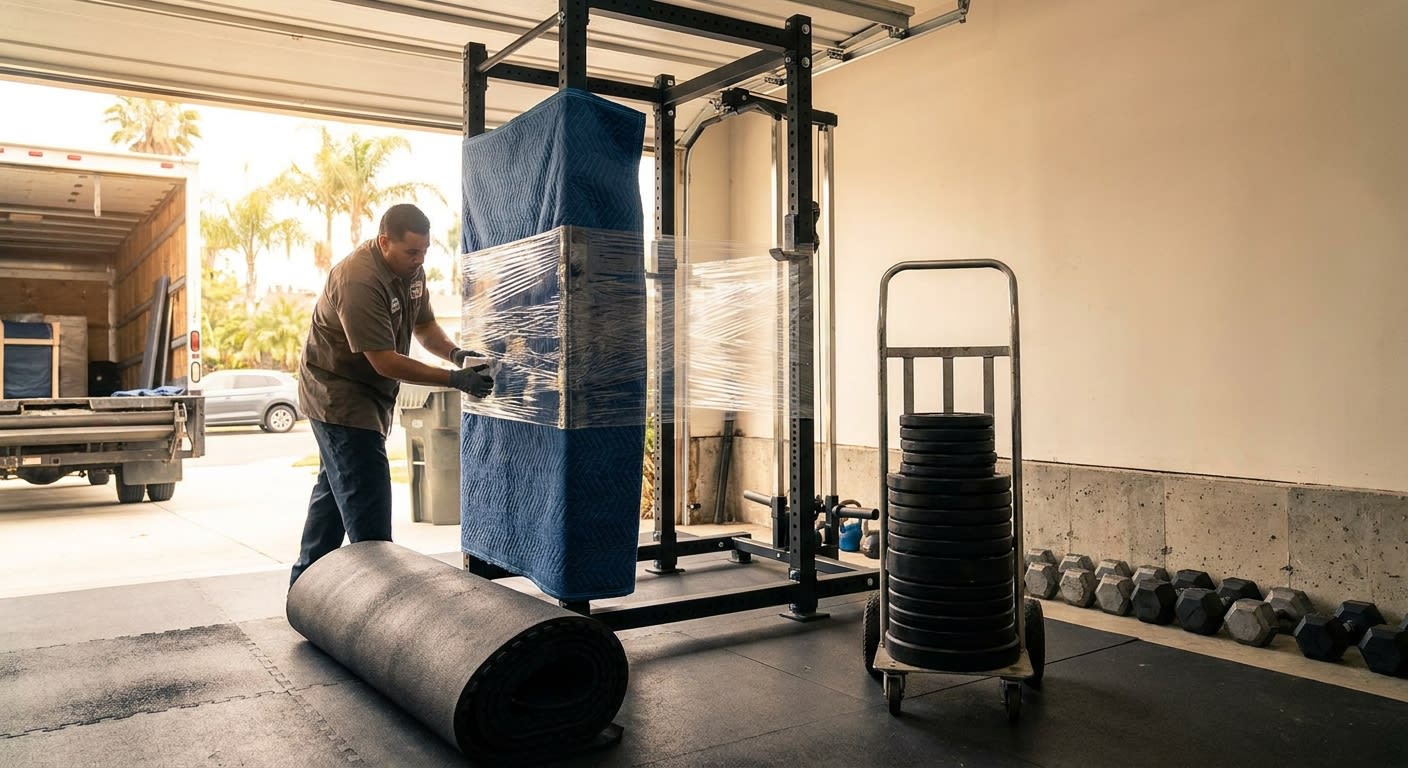
For weather uncertainty: Keep a roll of plastic wrap accessible for quick furniture protection. Even if rain isn't forecast, morning dew can dampen items loaded early. I always recommend plastic wrap over moving blankets for the outermost layer on upholstered furniture during spring.
For temperature-sensitive items: Spring's moderate temperatures are forgiving, but direct sunlight through truck walls can still create heat pockets. Wine collections, candles, and vinyl records should be packed in insulated containers or positioned away from truck walls. My colleague's guide on moving wine collections in SoCal has detailed advice on this.
For plants: Spring is actually ideal for moving houseplants because they're actively growing and more resilient to transplant stress. Water them 2-3 days before the move (not the day of—you don't want soggy, heavy pots). Transport them in your personal vehicle if possible, not the moving truck. If they must go in the truck, position them last-in-first-out and ensure they won't tip.
For allergy sufferers: Spring pollen in LA is significant—jacaranda, olive trees, grasses. If you're sensitive, consider having someone else unpack soft furnishings that might have collected pollen during transit. HEPA filters running in your new space from day one can make a huge difference.
Settling In: Your First Month After a Spring Move
The move itself is just the beginning. Here's what I tell clients to focus on during their first month in a new LA neighborhood during spring:
Explore the local farmers markets: Spring is peak season for LA farmers markets, and they're the fastest way to meet your neighbors and learn your area. The Hollywood market on Sundays, the Silver Lake market on Saturdays, the Torrance market on Tuesdays—each one has its own character. Go early, buy something local, and start learning faces.
Handle parking permits quickly: Many LA neighborhoods require residential parking permits, and spring enforcement tends to be stricter because of increased street activity. Don't wait for your first ticket to figure out the permit system. Check your area's requirements through LA DOT or your city's parking authority.
Find your emergency spots: Locate your nearest 24-hour pharmacy, urgent care, and hardware store within the first week. Spring weather can shift quickly, and you don't want to be Googling "where to buy a plunger at 11 PM" when you're still learning your neighborhood.
Introduce yourself to neighbors: Spring means people are outside more—gardening, walking dogs, washing cars. This is your window to make connections that'll serve you all year. A simple wave and "I just moved in down the street" goes a long way in LA, where people often assume their neighbors want privacy.
Frequently Asked Questions
How far in advance should I book movers for a spring move in Los Angeles?
I recommend booking 6-8 weeks in advance for spring moves, especially if you need a Saturday or Sunday. April and May weekends can fill up a month or more ahead of time. If you're flexible with your date, 4-5 weeks is usually workable for weekday moves.
Is spring more expensive for moving in LA?
Spring rates are typically higher than winter but lower than peak summer pricing. As of 2026, you might see a 10-15% premium compared to January or February, but 10-20% less than July or August. Mid-week moves and early-month dates often have better availability and pricing.
What if it rains on my scheduled moving day?
Professional moving crews are equipped to handle rain. We use plastic wrap for furniture protection, have waterproof moving blankets, and take extra precautions with flooring at both locations. Light rain rarely causes rescheduling. Heavy storms might delay start times, but complete cancellations are rare—we'll communicate with you about any adjustments.
Should I move my plants myself or have movers handle them?
I generally recommend transporting plants in your own vehicle. They're fragile, can shift during transit, and extreme temperatures in a closed truck can stress them. If you have many plants or they're too large for your car, discuss plant handling specifically with your moving company. Spring is actually the most forgiving season for plant moves because of moderate temperatures and active growth cycles.
How do I handle street parking for the moving truck in spring?
Many LA neighborhoods require parking permits for large vehicles or temporary no-parking signs to reserve curb space. Check with your local transportation department—requirements vary by neighborhood. Apply for permits at least a week before your move. Some buildings in areas like Santa Monica have specific loading zones that require advance booking.
What's the best day of the week for a spring move?
In my experience, Tuesday through Thursday offer the best combination of availability and pricing. Friday is often underbooked because people don't think of it, but it gives you the weekend to unpack. Avoid the first weekend of the month when most leases turn over—that's the busiest time in spring.
Ready to plan your spring move in Los Angeles? Green Moving serves LA and Orange County with eco-friendly moving services starting from $129/hour. Call (949) 266-9445, email sales@greenmovingla.com, or get your free quote to reserve your spring date. Licensed and insured—CAL-T 201327.