Moving to Venice Beach in 2026: Costs & Neighborhood Guide
- Understanding Venice Beach's Distinct Micro-Neighborhoods
- Real Housing Costs in Venice Beach for 2026
- What Your Venice Beach Move Will Actually Cost
- Parking Realities and Transportation Options
- Venice's Loading Zone and Access Challenges
- Timing Your Venice Move Strategically
- What You'll Pay for Everyday Living
- Settling In: Your First Month in Venice
- The Silicon Beach Factor and Neighborhood Evolution
- Safety and Practical Concerns
- Why People Fall in Love With Venice Despite Everything
- Frequently Asked Questions About Moving to Venice Beach
- Ready to Make Venice Beach Home?
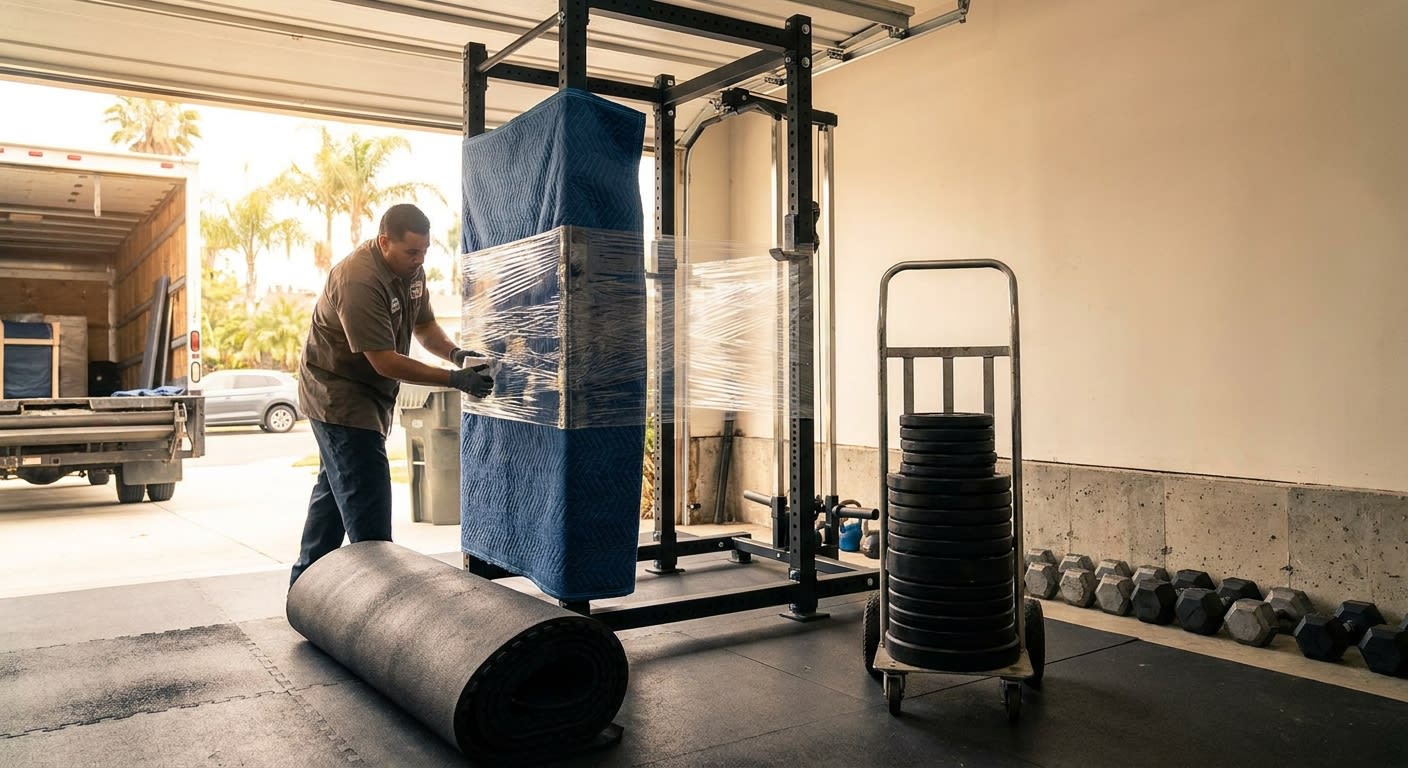
Three weeks ago, I helped a software developer relocate from a cramped studio in Koreatown to a two-bedroom apartment on Windward Avenue, just four blocks from the Venice Boardwalk. She'd spent months searching for the right Venice Beach spot, finally landing a unit above a vintage clothing store with a rooftop deck facing the ocean. The catch? Her building had no elevator, the stairwell made a 90-degree turn on the second floor, and street parking on Windward required a 6 AM arrival to avoid the weekend crowds. That's Venice for you—every move here comes with character.
I'm Daniel, a Relocation Advisor at Green Moving, and I've been guiding clients through Venice Beach moves for years. This neighborhood isn't like anywhere else in LA. It's got the boardwalk energy, the canals that feel transplanted from Europe, the tech money from Silicon Beach mixing with artists who've been here since the '70s. If you're considering moving to Venice Beach in 2026, I want to walk you through exactly what to expect—from the real costs to the streets where your moving truck can actually fit.
Understanding Venice Beach's Distinct Micro-Neighborhoods
Venice isn't one neighborhood—it's at least five compressed into about 3.17 square miles. The experience you'll have depends entirely on which pocket you land in, and I've moved clients into all of them.
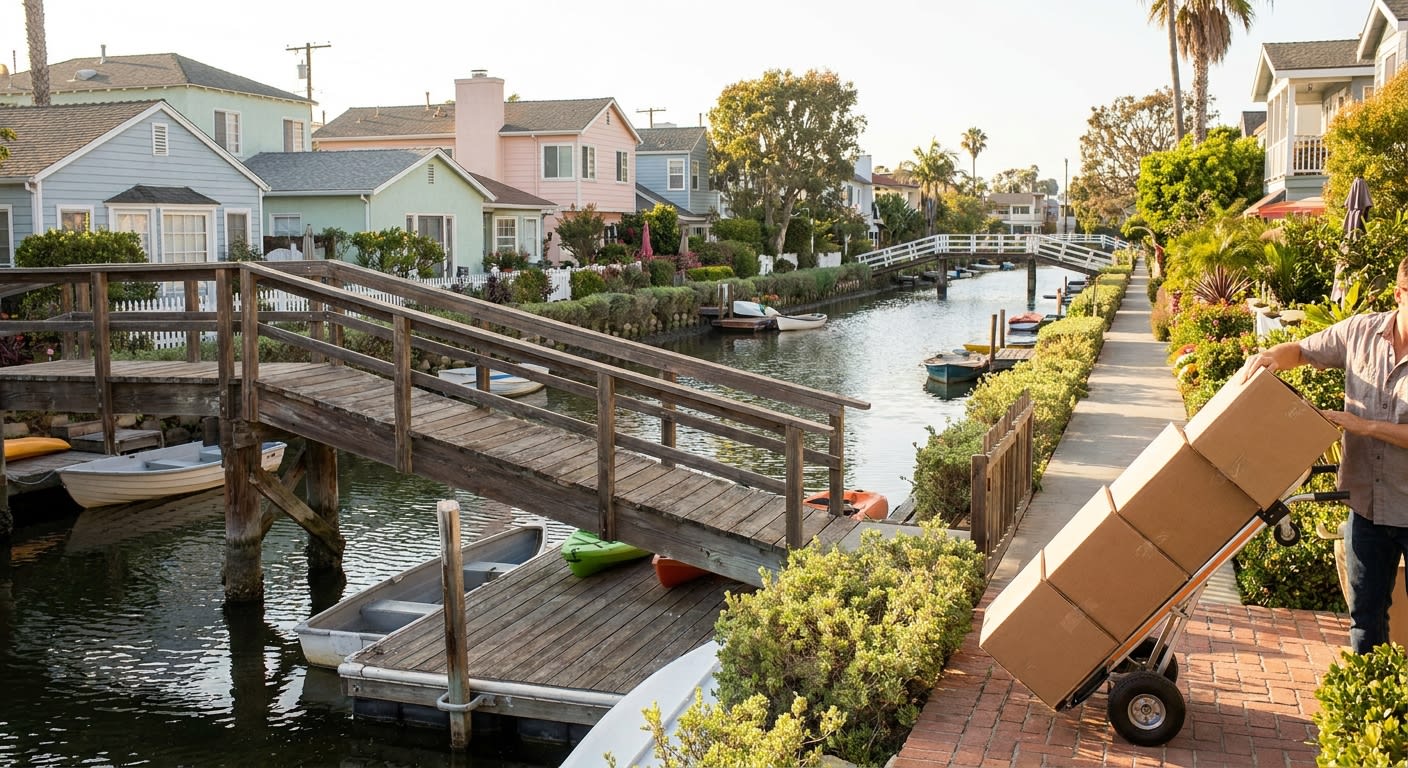
The Venice Canals area sits between Venice Boulevard and Washington Boulevard, east of Pacific Avenue. These are the Instagram-famous waterways lined with eclectic homes ranging from restored 1920s bungalows to modern architectural statements. Living here means walking your dog across arched bridges and dealing with very limited vehicle access. When I move clients into the canals, we often park on Dell Avenue or along Venice Boulevard and hand-carry items across the bridges. It's labor-intensive, but residents tell me it's worth it for the quiet.
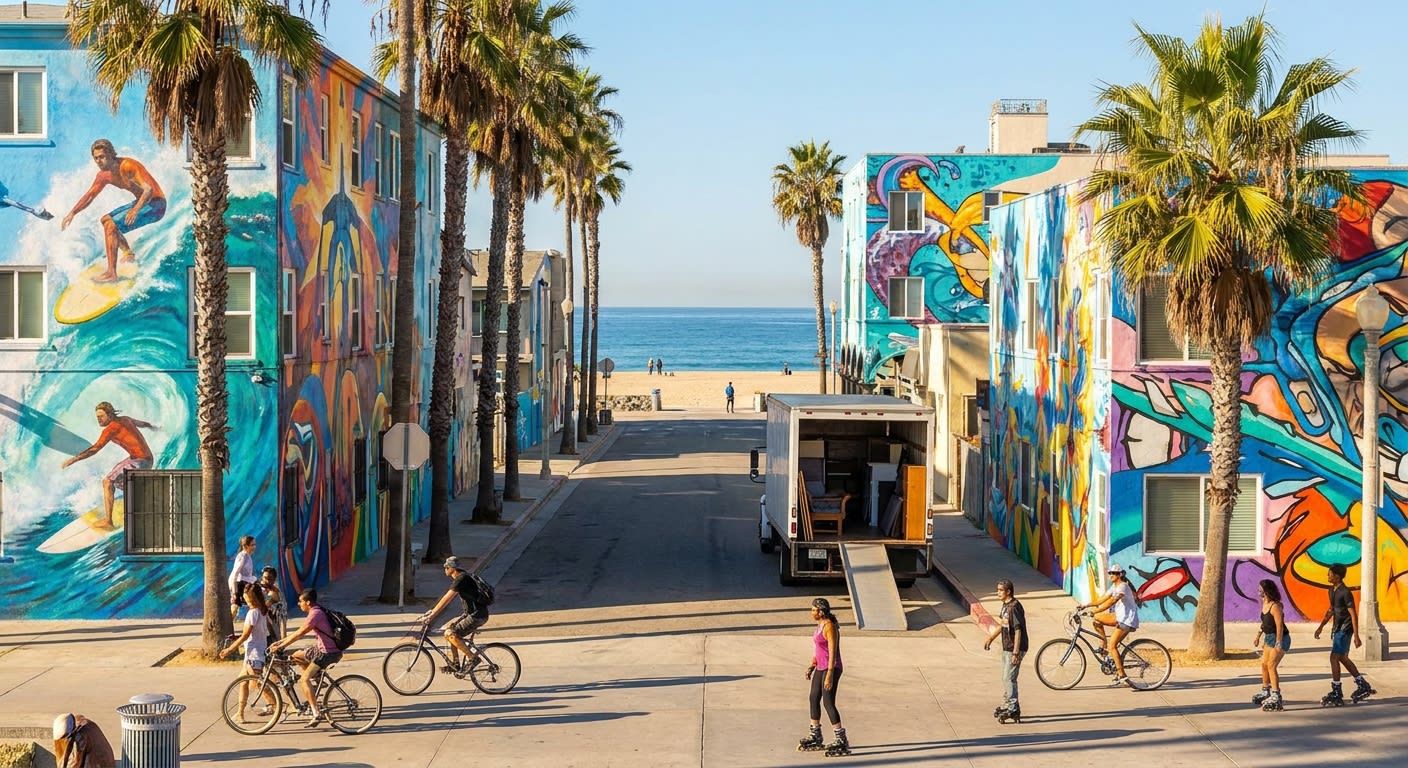
The Boardwalk area runs along Ocean Front Walk from Rose Avenue down to the Venice Pier. This is the Venice most tourists picture—street performers, Muscle Beach, the skate park. Living here means noise, foot traffic, and weekend chaos, but also stepping onto the sand in under a minute. Apartments here are often above retail spaces, which creates unique access challenges.
Abbot Kinney Boulevard and the surrounding blocks (roughly from Main Street to Electric Avenue) represent the boutique-and-brunch Venice. This corridor has evolved from counterculture hub to one of LA's most expensive retail streets. Residential options here include converted industrial spaces, modern townhomes, and a handful of original craftsman homes.
The Oakwood area, historically known as the Oakwood Triangle between Lincoln Boulevard, Rose Avenue, and Electric Avenue, has seen significant change over the past decade. It's more residential, less tourist-facing, and offers slightly more affordable options while still being walking distance to everything.
North Venice, above Rose Avenue toward Santa Monica, blends into the Marina Peninsula area. Streets like Riviera, Amoroso Place, and Catamaran offer a quieter residential feel with easier parking and access to both Venice Beach and Marina del Rey.
Real Housing Costs in Venice Beach for 2026
Let's talk actual numbers based on what I'm seeing clients pay as of 2026. Venice remains one of LA's premium coastal markets, though it's stabilized somewhat from the pandemic-era spikes.
Studio apartments in Venice currently range from $2,200 to $2,800 per month, with lower-end units typically located in older buildings on the eastern edge near Lincoln Boulevard. One-bedroom apartments run $2,600 to $3,800 depending on location and amenities. A one-bedroom with ocean views or canal frontage easily hits $4,000 or more.
Two-bedroom rentals range from $3,500 for a basic unit away from the beach to $6,500 or higher for renovated spaces near Abbot Kinney or the canals. Three-bedroom homes and apartments are scarcer and typically start around $5,500, reaching $12,000 or more for premium properties.
For buyers, single-family homes in Venice averaged roughly $2.1 million as of early 2026, though that number skews heavily based on location. Canal-adjacent properties and Abbot Kinney-area homes regularly list above $3 million. Condos and townhomes offer entry points starting around $900,000 for smaller units.
What surprises many clients is the additional cost of parking. If your rental doesn't include a spot—and many older Venice buildings don't—expect to pay $150 to $300 monthly for a nearby garage space, or deal with the residential permit parking system, which I'll break down shortly.
What Your Venice Beach Move Will Actually Cost
Moving costs in Venice aren't just about distance—they're about access. I've handled plenty of moves here, and the logistics can add time and expense if you're not prepared.
For a local move within LA County to Venice, you're looking at roughly $600 to $1,500 for a studio or one-bedroom, depending on stairs, distance, and how much stuff you've got. Two-bedroom moves typically run $1,000 to $2,200, while three-bedrooms and larger can reach $2,000 to $3,500 or more.
Venice-specific factors that increase costs include buildings without elevator access (common in older walkups along the boardwalk and side streets), narrow staircases in converted spaces, limited or no truck access requiring longer carry distances, and permit requirements for street parking.
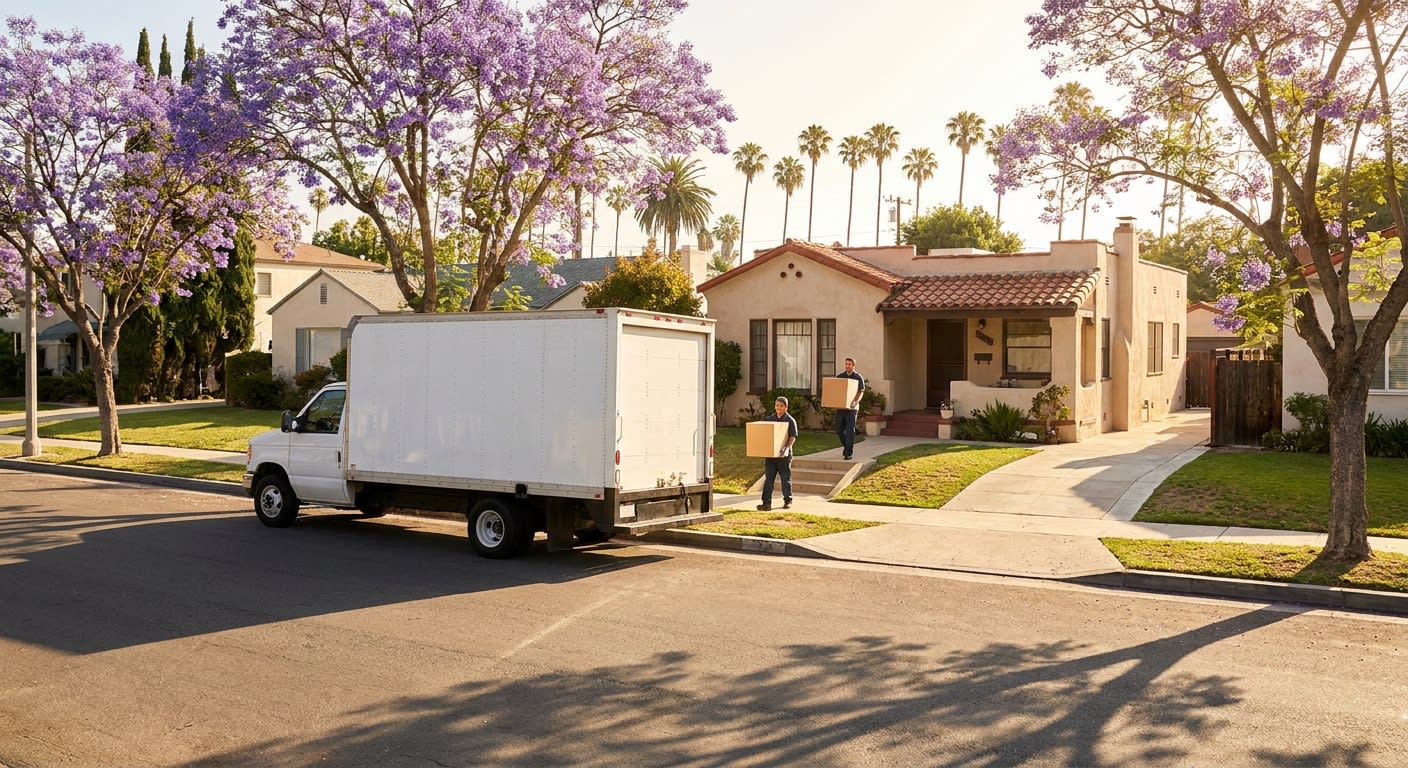
The city of Los Angeles requires permits for moving trucks parked on residential streets in permit-restricted zones. Venice falls under several permit parking districts, and you'll need to coordinate with LA DOT for temporary parking permits. These typically cost around $20 to $50 and need to be requested at least 72 hours in advance. Missing this step can mean parking tickets or having to park blocks away and carry everything.
At Green Moving, we start from $129/hour and factor in the specific challenges of your Venice address. I always recommend clients book morning moves—ideally starting by 7 AM—to beat the parking competition and boardwalk crowds.
🏠 Moving to Venice Beach? Our local moving team knows every alley, permit zone, and narrow stairwell in the neighborhood. Call (949) 266-9445 or get a free quote for your Venice move.
Parking Realities and Transportation Options
Parking in Venice is a lifestyle adjustment, not just an inconvenience. I tell every client moving here: understand the parking situation before you sign a lease, not after.
Most of Venice falls under preferential parking districts, meaning non-residents face two-hour limits on many residential streets. Residents can purchase annual permits through LA DOT, currently around $34 per year for the first vehicle. The permit lets you park without time restrictions in your designated zone, but it doesn't guarantee you'll find a spot.
Streets closest to the beach—Pacific Avenue, Speedway, and the numbered courts—fill up fast on weekends and summer days. I've had clients tell me they circle for 30 minutes on Saturday afternoons. Living east of Lincoln Boulevard generally means easier parking, but you're further from the beach and Abbot Kinney.
If your building offers parking, take it. Even at $200 to $300 monthly, it's worth the guaranteed spot and the security of not having your car broken into on the street. Unfortunately, vehicle break-ins remain a persistent issue in beach-adjacent areas.
The good news? Venice is genuinely bikeable and walkable for daily errands. Bird and Lime scooters are everywhere. The Big Blue Bus connects to Santa Monica and the Expo Line, and the 33 and 733 Metro buses run along Venice Boulevard to downtown LA. Many residents I've moved here eventually downgrade to one car or go car-free entirely.
Venice's Loading Zone and Access Challenges
This is where my experience really comes in handy. Venice has some of the trickiest moving logistics in all of LA County, and knowing the specific challenges at your address can save hours of frustration.
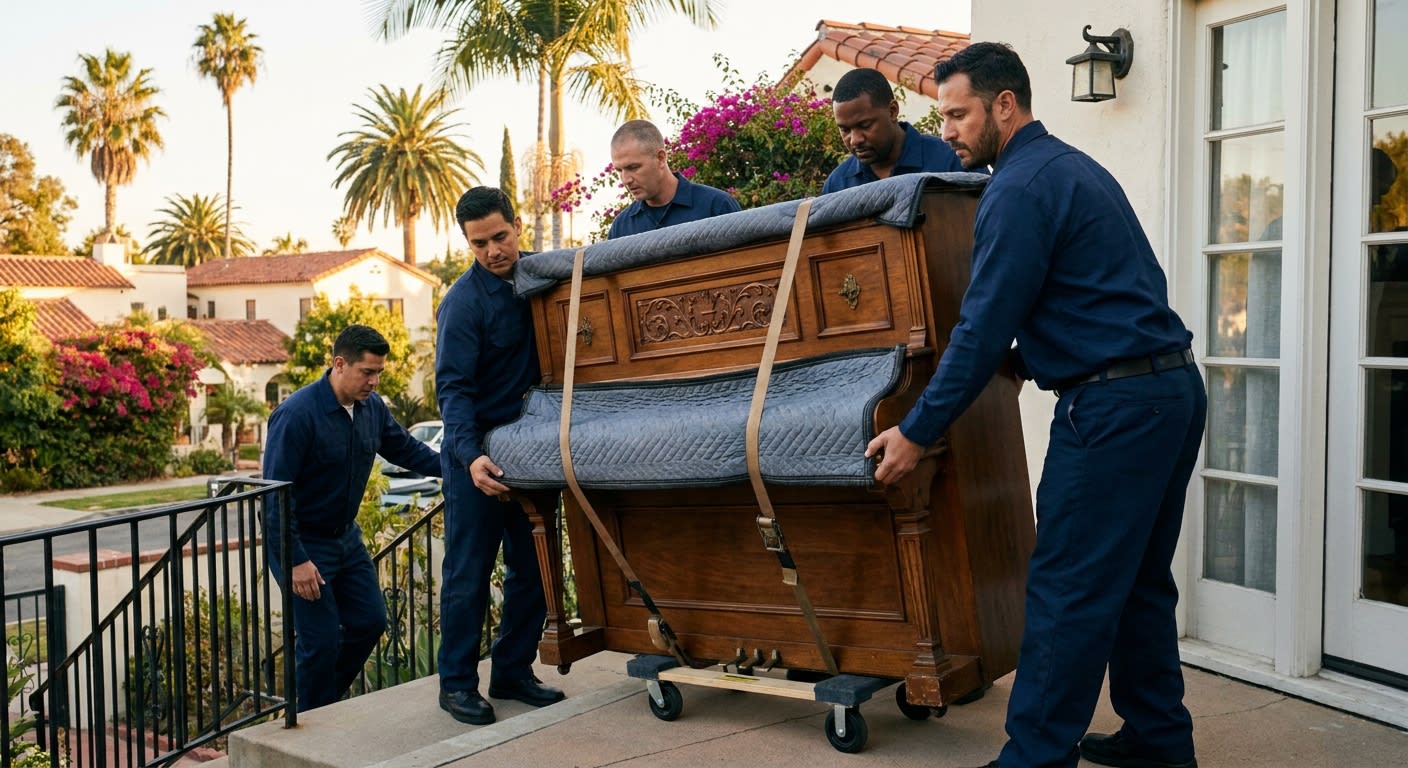
Along Ocean Front Walk, there's zero vehicle access. If you're moving into a boardwalk-facing unit, everything gets hand-carried from the nearest side street—sometimes over 100 feet. We use specialized equipment for these moves: heavy-duty dollies, furniture straps, and occasionally even beach-appropriate wheel attachments. Budget extra time and crew for boardwalk addresses.
The Venice Canals present similar challenges. Most canal paths are pedestrian-only, with the closest vehicle access points on Dell Avenue, Venice Boulevard, or along specific cross streets. I map out every canal move carefully, identifying which bridge your new home sits near and where we can stage equipment.
Abbot Kinney Boulevard has its own complications. The street itself has limited parking and loading zones that fill up with delivery trucks for the shops and restaurants. Moving into a second-floor unit above a boutique often means coordinating timing with the business owner below and using the back alley if one exists.
For the alleys themselves—called "walk streets" or "lanes" in some Venice blocks—width varies dramatically. Some can accommodate our standard trucks; others require our smaller vehicles or street-side staging. I always do a site assessment for Venice moves to avoid surprises on moving day.
Timing Your Venice Move Strategically
When you move to Venice matters almost as much as where. I've guided enough clients through this to know the patterns.
Summer weekends (Memorial Day through Labor Day) are the worst time for beach-area moves. Tourist traffic peaks, parking becomes nearly impossible, and the boardwalk crowds spill onto every adjacent street. If you must move during summer, book a weekday—Tuesday through Thursday ideally—and start before 8 AM.
The first weekend of each month creates congestion across all of LA, but Venice gets hit harder because it's such a desirable destination. If your lease starts on the first, try to negotiate early access or schedule your move for the second or third.
Winter months, particularly January and February, offer the smoothest moving conditions. Fewer tourists, easier parking, and cooler temperatures for the physical work. The tradeoff? Venice gets more atmospheric fog during winter mornings, which isn't a logistics issue but definitely changes the vibe.
Special events also impact access. The Venice Art Crawl happens monthly, First Fridays on Abbot Kinney draw thousands, and the occasional film shoot can shut down entire blocks. I always check LA Film Office permit schedules and local event calendars before confirming a Venice move date.
My colleague Julia covers the broader timing strategies in her 8-week moving checklist, which I recommend adapting for Venice's specific quirks.
What You'll Pay for Everyday Living
Housing takes the biggest bite, but Venice has other cost-of-living realities worth knowing before you commit.
Groceries run higher than LA averages due to the concentration of specialty and organic markets. Erewhon on Rose Avenue is famously expensive (smoothies approaching $20), but it's not your only option. The Ralphs on Lincoln provides more standard pricing, and Costco in Marina del Rey is a short drive away. Venice Farmers Market on Fridays at Venice High School offers local produce at reasonable prices.
Dining out reflects the neighborhood's upscale-bohemian identity. A casual lunch on Abbot Kinney runs $18 to $25; dinner at restaurants like Gjelina or Felix easily exceeds $80 per person. But there are budget-friendlier options too—tacos at spots along Lincoln, the classic hot dogs at Jody Maroni's on the boardwalk, and happy hour deals at several neighborhood bars.
Utilities average $100 to $180 monthly for a one-bedroom, depending on air conditioning use and building efficiency. Older Venice buildings often lack central AC, so portable units become summer necessities. Internet service typically runs $60 to $100 monthly, with Spectrum and AT&T Fiber being the main providers.
Fitness is built into the neighborhood—Muscle Beach outdoor gym is free, and beach running costs nothing—but boutique fitness studios charge LA premiums. Expect $30 to $40 per class for yoga, pilates, or spin at the trendy spots along Abbot Kinney and Rose.
Settling In: Your First Month in Venice
Here's what I tell every client after we've finished unloading the truck. Your first month in Venice sets the tone, and knowing these local details makes the transition smoother.
Get your residential parking permit immediately. Don't wait for a ticket to remind you. Visit the LA DOT office in person or apply online through the city's website. You'll need proof of Venice residency (lease or utility bill) and vehicle registration. Processing takes about a week, so use visitor permits from your building if available during the interim.
Learn the Venice Farmers Market rhythm. Every Friday from 7 AM to 11 AM at Venice High School (13000 Venice Boulevard), local vendors sell produce, prepared foods, and flowers. It's where you'll start recognizing your neighbors and discovering what's actually in season. Get there before 9 AM for the best selection.
Explore the canals on foot during your first weekend. Most new residents I've moved here don't realize how extensive the canal network is until they walk it. Start at the corner of Washington Boulevard and Strong's Drive, then loop through all four canals. It takes about 45 minutes at a leisurely pace and shows you a completely different side of Venice than the boardwalk.
Introduce yourself to your immediate neighbors within the first week. Venice has an active community layer beneath the tourist surface—neighborhood watch groups, canal associations, and block-level communication channels. Your neighbors can tell you which contractors are trustworthy, when street cleaning happens on your block, and where packages are most likely to disappear from porches.
The Silicon Beach Factor and Neighborhood Evolution
You can't discuss Venice in 2026 without acknowledging how tech industry presence has reshaped the area. The stretch along Main Street, Rose Avenue, and into nearby Playa Vista has attracted major tech companies and a flood of well-compensated employees.
Google's presence on Main Street, along with Snapchat's scattered offices and countless startups, has driven housing demand and prices upward. The upside for new residents: excellent coffee shops with fast Wi-Fi, networking opportunities everywhere, and infrastructure improvements funded by increased tax revenue.
The downside is displacement tension. Long-time Venice residents, particularly artists and lower-income families, have been priced out over the past decade. You'll notice this dynamic in community meetings, local journalism, and occasional friction between newcomers and longtime locals.
I mention this because understanding Venice's evolution helps you be a better neighbor. Supporting legacy businesses—the original surf shops, the older restaurants, the independent galleries—matters to the community fabric. And if you're coming from the tech world, know that Venice's creative-counterculture roots are part of what attracted the industry here in the first place. Respecting that history goes a long way.
Safety and Practical Concerns
I give clients an honest picture of Venice, which includes acknowledging some persistent challenges.
Homelessness is visible throughout Venice, particularly along the boardwalk, in certain alleys, and in Ocean Front Walk areas. The city has implemented various interventions over the years with mixed results. Most residents I've moved here learn to navigate this reality—knowing which blocks to avoid late at night, keeping valuables out of cars, and supporting local organizations working on solutions.
Property crime, especially vehicle break-ins, remains elevated compared to LA County averages. Don't leave anything visible in your car, even items that seem worthless. Bikes get stolen frequently; invest in serious locks and consider renter's insurance that covers theft. Package theft is common in buildings without secure mailrooms, so Amazon lockers and PO boxes become essential for some residents.
That said, violent crime rates in residential Venice are relatively low. The neighborhood feels safe for walking and biking during daytime hours, and most side streets are quiet even at night. As with anywhere in LA, awareness and common-sense precautions go a long way.
If you're moving with valuable items, I'd recommend checking out my colleague Marcus's guide on moving antique furniture safely—the same principles apply to protecting your belongings during a Venice move with its unique access challenges.
Why People Fall in Love With Venice Despite Everything
After all those logistics and warnings, let me tell you why clients keep moving here—and why many never leave.
Venice has a creative energy that's genuinely rare. The murals change, the boardwalk performers rotate, and there's a perpetual sense that something interesting is happening around the corner. Watching the sunset from the Venice Pier never gets old. The canals at golden hour look like a painting. Running into neighbors at the farmers market builds actual community in a city where that's increasingly rare.
The weather is among the best in LA—tempered by ocean breezes that keep summers cooler than inland neighborhoods. You can bike to Santa Monica, walk to Marina del Rey, or skateboard down the beach path to Playa del Rey. The beach is literally your backyard.
And there's a particular Venice character that attracts a certain type of person—creative, entrepreneurial, slightly eccentric, interested in living differently. If that resonates with you, you'll understand the premium people pay to be here.
At Green Moving, we donate 1% of every move to California environmental causes, which feels especially fitting for a neighborhood where ocean conservation and environmental awareness run deep. Venice residents tend to appreciate that alignment.
Frequently Asked Questions About Moving to Venice Beach
How far in advance should I start looking for apartments in Venice?
Start your search at least 60 to 90 days before your target move date. Quality Venice rentals get snatched up quickly, often within days of listing. Set up alerts on Zillow, Apartments.com, and local Facebook housing groups. Some of the best units never hit major platforms—they're filled through word of mouth or local property management companies.
Is Venice Beach safe for families with children?
Many families live happily in Venice, particularly in the canal area, Oakwood neighborhood, and north Venice sections. The boardwalk area presents more challenges for family living due to noise and activity. Venice has several good schools, including Westminster Avenue Elementary, and family-oriented activities like the skate park, beach volleyball courts, and youth programs at the Venice Arts center.
Can I realistically live in Venice without a car?
Yes, more easily than in most LA neighborhoods. Venice is flat, bikeable, and served by multiple bus lines. Essential errands—groceries, restaurants, coffee, gym—are all walkable from most Venice addresses. You'll want a car for trips to other parts of LA, but many residents use rideshare or rent vehicles only when needed.
What's the best way to find parking for a moving truck in Venice?
Apply for a temporary no-parking zone permit through LA DOT at least 72 hours in advance. Specify the exact address and date, and they'll provide signs to reserve street space. Your moving company should coordinate this process—at Green Moving, I handle permit logistics as part of our Venice move planning.
How do Venice canal properties handle flooding during heavy rain?
The canals have been rebuilt and improved over the years with better drainage systems. Significant flooding is rare but not impossible during extreme weather events. If you're considering a canal-adjacent property, ask current residents or the landlord about flood history and check whether the property carries flood insurance.
What's the commute like from Venice to downtown LA or the Westside?
Commute times vary dramatically based on destination and departure time. To Santa Monica, expect 10 to 20 minutes by car. To downtown LA, budget 30 to 45 minutes outside rush hour, potentially 60 to 90 minutes during peak traffic. The Expo Line in nearby Culver City connects to downtown, adding a transit option if you bike or rideshare to the station.
Ready to Make Venice Beach Home?
Moving to Venice Beach takes planning, patience, and a genuine appreciation for the neighborhood's unique character. If you're ready to make the move, Green Moving serves all of Los Angeles and Orange County with teams experienced in Venice's specific challenges. Call us at (949) 266-9445, email sales@greenmovingla.com, or request your free quote online. We're licensed and insured—CAL-T 201327—and we'll get you into your new Venice home without the stress.