Moving to Glendale in 2026
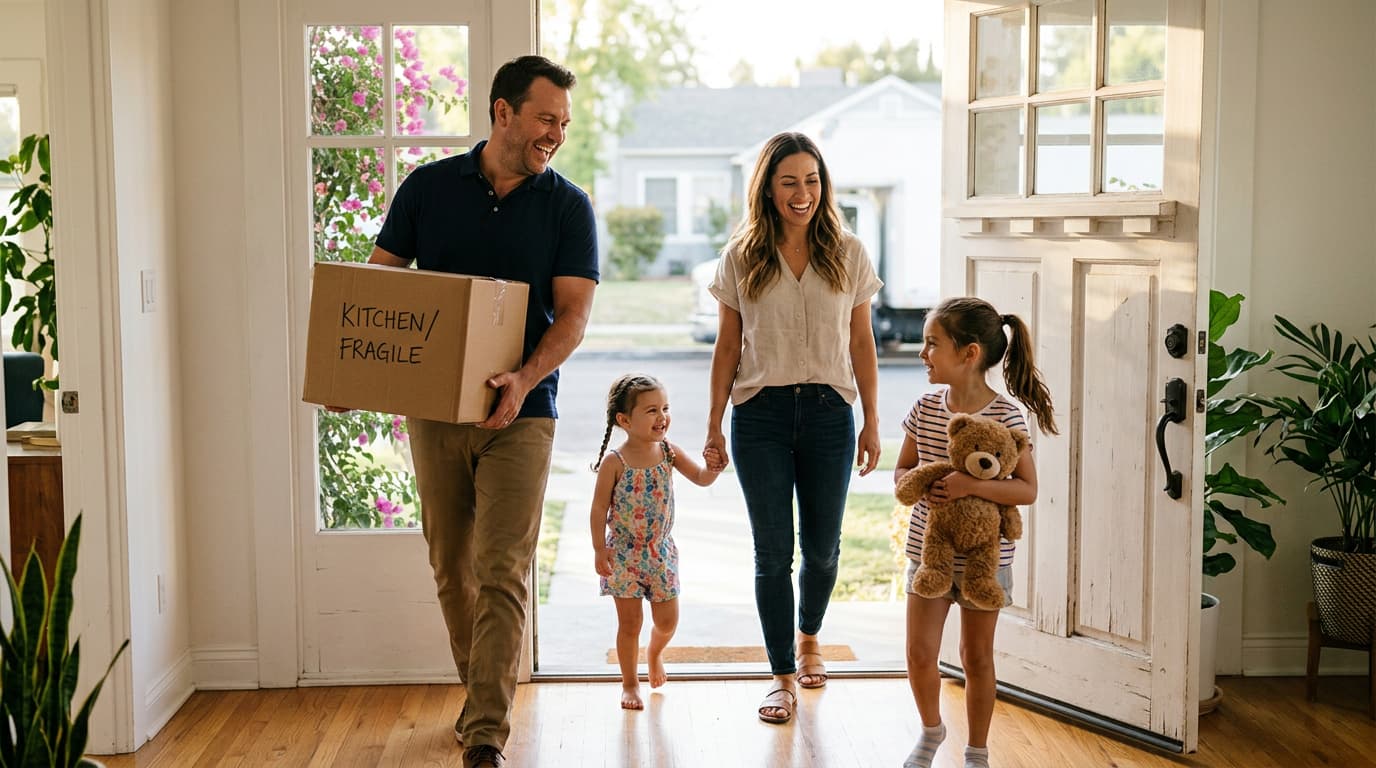
Last spring I moved a young family from a one-bedroom in West Hollywood to a three-bedroom Craftsman in Glendale's Rossmoyne neighborhood. The husband was an animator at Disney's Burbank studio, and the wife ran an online boutique from home. They'd been hesitant about Glendale — they thought it would feel too suburban, too far from the action. Three months after the move, the wife sent me a photo of their daughter running through the sprinklers in the front yard with the Verdugo Mountains behind her and the caption: "Why does anyone live in a box in WeHo when this exists 20 minutes away?" I've heard that sentiment from at least a dozen Glendale transplants. The city surprises people in the best possible way.
I'm Daniel, a Relocation Advisor at Green Moving, and Glendale is one of the cities I move people into most frequently. It sits right at the intersection of affordability (relative to LA's Westside), space, safety, excellent food, and genuine neighborhood character. But it also has moving challenges that most people don't anticipate — steep hillside driveways, narrow vintage streets, and a parking situation in Downtown Glendale that rivals Hollywood for frustration. This guide covers all of it.
What Makes Glendale Special in 2026
Glendale is a city of about 200,000 people wedged between Burbank, Pasadena, Eagle Rock, and the Verdugo Mountains. It's technically its own city — not part of the City of Los Angeles — which means its own police department, its own school district (Glendale Unified), and its own municipal services. In practical terms, that translates to cleaner streets, faster city services, and a civic infrastructure that feels more responsive than LAUSD or LAPD-served areas.
The cultural identity of Glendale is heavily shaped by its Armenian-American community — one of the largest outside Armenia itself. That influence shows up everywhere: incredible bakeries and restaurants along Brand Boulevard, specialty grocery stores, cultural festivals, and a tight-knit community feel that's rare in LA. If you've never had a lahmajun from Sasoun Bakery or mante from Adana Restaurant, your first week in Glendale will change your food life permanently.
Economically, Glendale benefits from its proximity to the entertainment industry hub in Burbank (Disney, Warner Bros., Universal nearby in Studio City) and the tech corridor along the 134 between Eagle Rock and Pasadena. DreamWorks Animation's campus is right on the Glendale-Burbank border. For entertainment industry workers, Glendale offers significantly more space per dollar than Studio City, Sherman Oaks, or Toluca Lake — with a shorter commute to the studios.
Glendale Neighborhoods: Finding Your Fit
Glendale's geography runs from flat commercial areas near the 5 freeway up into steep hillside neighborhoods against the Verdugos. Your neighborhood choice determines not just your lifestyle but your moving logistics and budget.
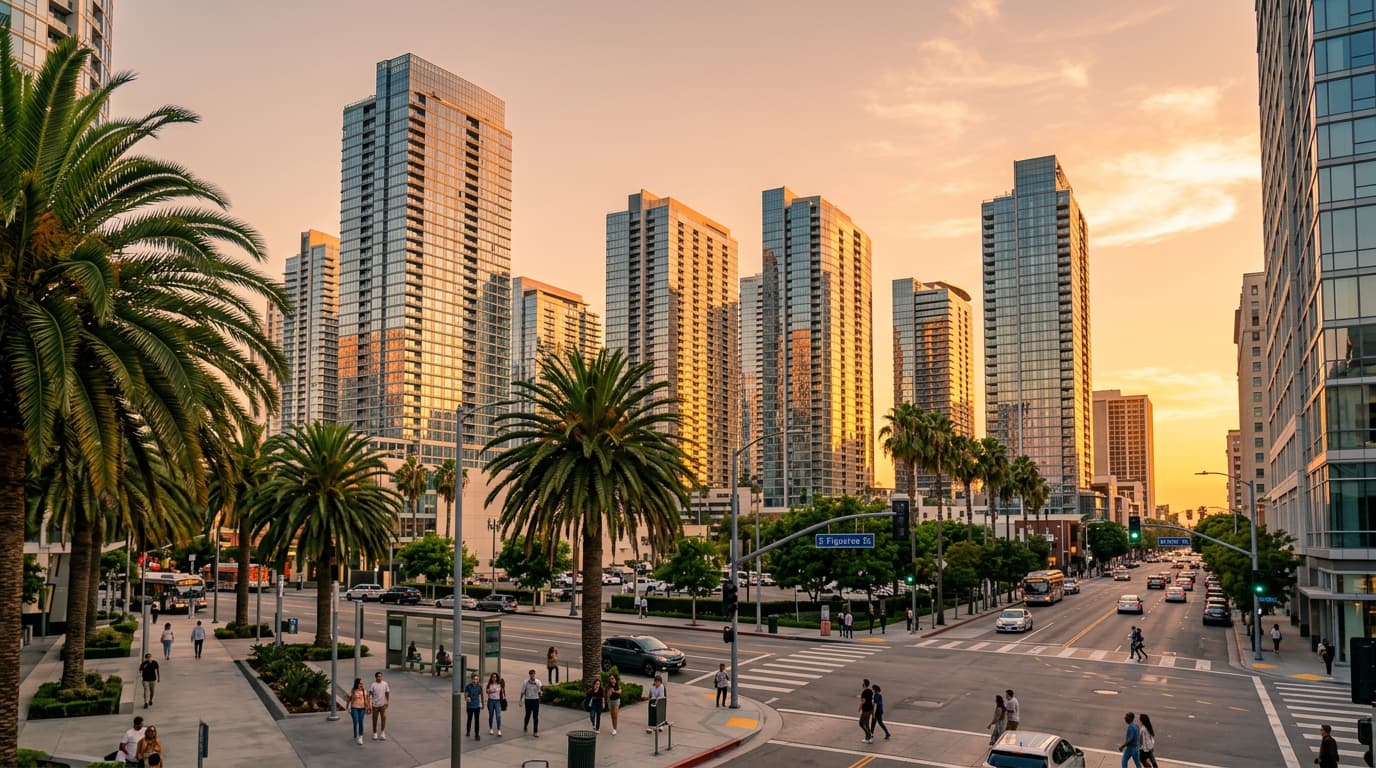
Downtown Glendale / Brand Boulevard is the urban core — the Americana at Brand and Glendale Galleria anchor a walkable stretch of restaurants, shops, and entertainment. Living downtown means apartment and condo living, primarily in mid-rise and high-rise buildings constructed in the 2000s–2020s. Studios start around $1,800/month, 1-bedrooms $2,200–$2,800. Condos for purchase run $500K–$900K. Moving logistics here mirror any Downtown LA apartment move — freight elevator reservations, loading zone coordination, and limited street parking. Check our apartment moving checklist for the full protocol.
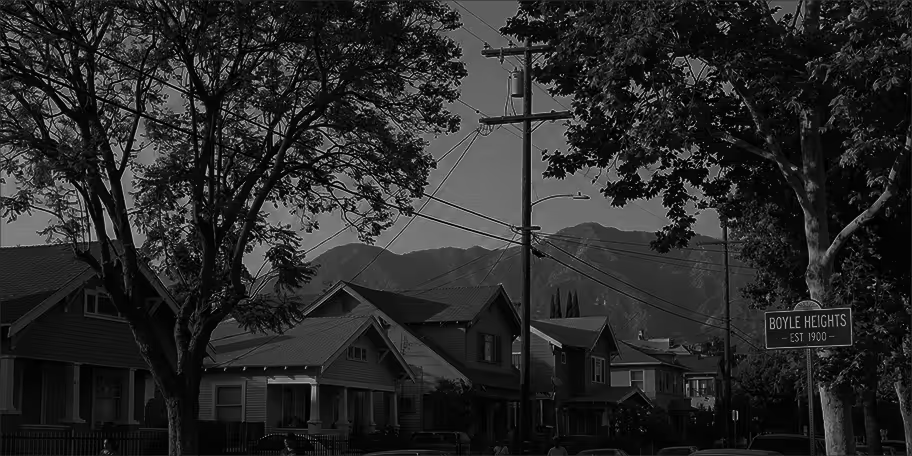
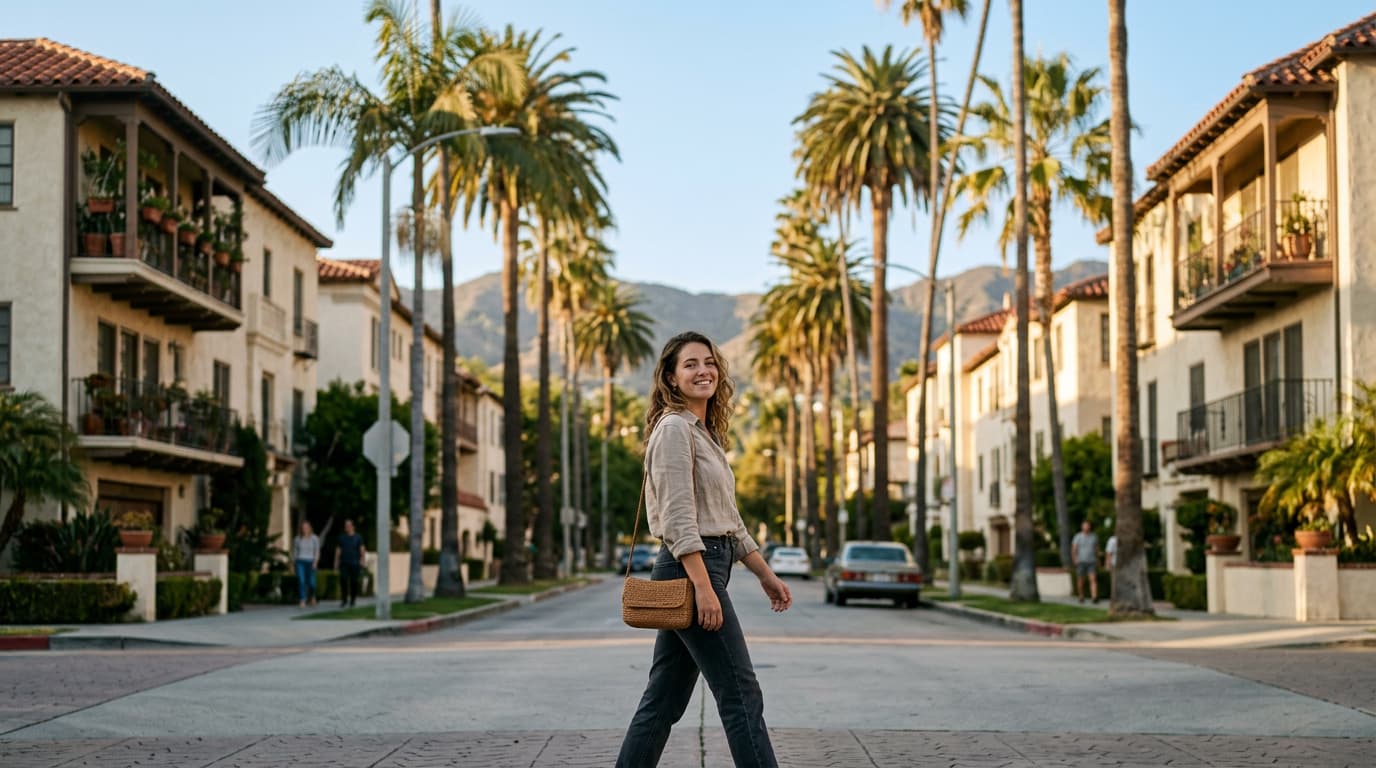
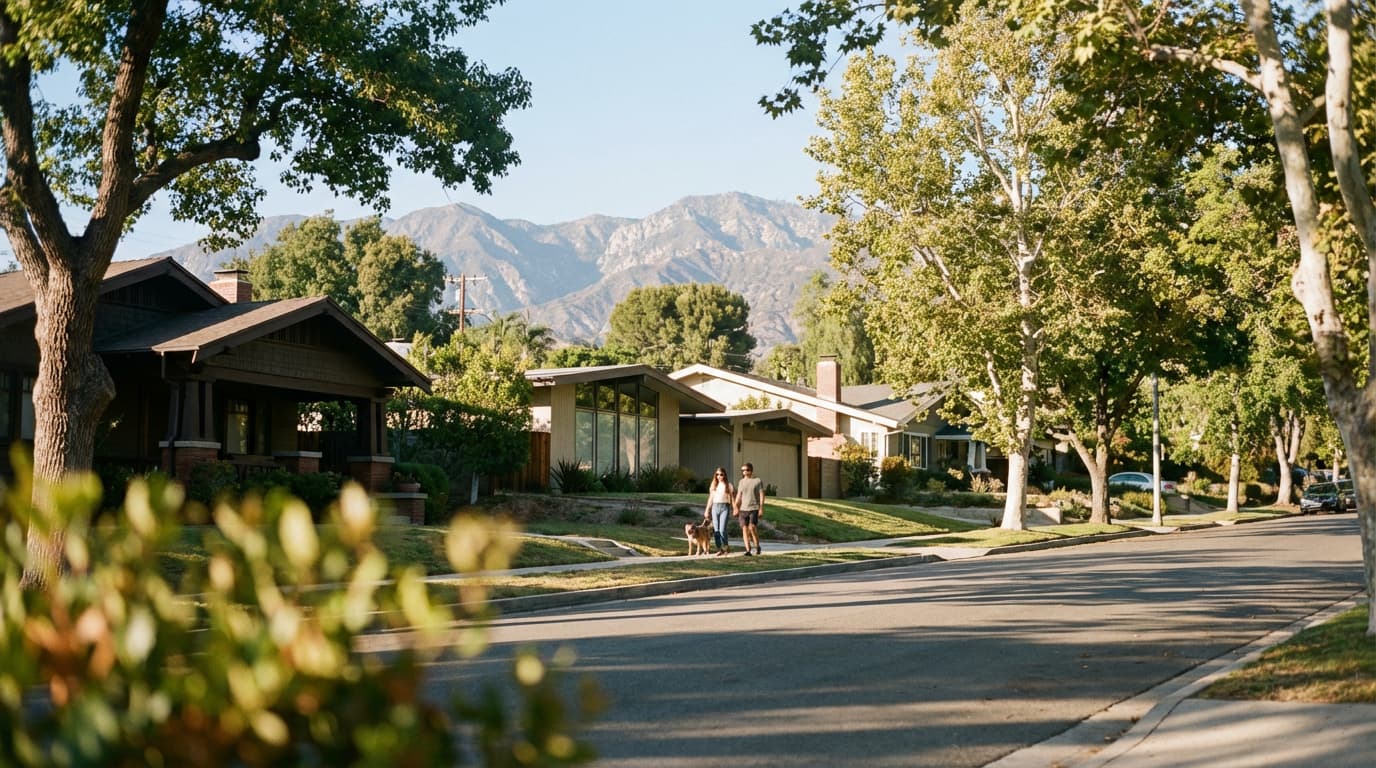
Rossmoyne is the jewel of Glendale's residential neighborhoods. Tucked between the 2 freeway and the Verdugo hillside, it's a quiet enclave of Craftsman bungalows, Spanish colonials, and mid-century homes on tree-lined streets. The architecture alone draws people — some of these homes date to the 1920s and have been meticulously maintained or restored. Prices run $1.1M–$2M. Streets are narrow and shaded, driveways are sometimes steep, and some homes have limited truck access. But the charm is unbeatable — it feels like old California.
Montrose is technically an unincorporated community on Glendale's northwest edge, but functionally it's part of the Glendale ecosystem. Honolulu Avenue is the main strip — an independent bookstore, vintage shops, locally owned restaurants, and the Montrose Farmers Market every Sunday. Homes here are a mix of ranch-style houses from the 1950s–60s and some newer construction, sitting at the base of the Verdugo Mountains. Prices $900K–$1.6M. Great family neighborhood with a small-town feel despite being 15 minutes from Downtown LA.
Sparr Heights / Verdugo Woodlands is the hillside zone above Rossmoyne, climbing up into the Verdugo Mountains. Views are spectacular — some properties overlook the entire San Fernando Valley. But these are steep, winding roads with driveways that challenge even experienced movers. Homes range from modest mid-century ranches ($900K–$1.3M) to hillside estates ($2M+). Moving into these neighborhoods requires advance planning — I'll cover the hillside logistics in detail below.
Adams Hill sits on a prominent hill east of Brand Boulevard with views of Downtown Glendale and the San Gabriel Mountains. A mix of older apartments, duplexes, and single-family homes. It's one of Glendale's more eclectic neighborhoods — artists, young families, and long-time residents coexisting on steep, winding streets. Home prices $800K–$1.5M, apartments $1,800–$2,500/month. Some of the narrowest streets in Glendale are on Adams Hill — parking and truck access require careful planning.
Crescenta Highlands / North Glendale borders La Crescenta and sits at the highest elevation in the city. Quieter, more suburban, with newer construction and larger lots. Popular with families who want Glendale schools but a more spacious, mountain-adjacent setting. Homes $1.0M–$1.8M. Good street access, standard moving logistics.
🏠 Moving to Glendale? Green Moving knows every hillside driveway and narrow street in the city. Call (949) 266-9445 or get a free quote. Our local moving crews handle Glendale's unique terrain so you don't have to stress about it.
What It Costs to Move to Glendale
Here are realistic cost ranges based on the Glendale moves I've coordinated:
From a Westside LA apartment (1–2 bedroom) to Glendale: Distance: 12–20 miles. Crew: 2–3 movers + truck. Time: 4–6 hours. Cost: $700–$1,100. The most common scenario — renters upgrading from WeHo, Hollywood, or Silver Lake apartments to Glendale houses or larger apartments. The 101-to-134 route is the standard path; avoid it between 4–7 PM.
From another SGV / Foothill city to Glendale (local): Distance: 5–15 miles. Crew: 2 movers + truck. Time: 3–5 hours. Cost: $450–$900. Moves from Pasadena, Burbank, Eagle Rock, or La Cañada Flintridge are short and straightforward.
3–4 bedroom hillside home (any origin): Crew: 3–4 movers + truck. Time: 6–9 hours. Cost: $1,200–$2,400. Hillside homes in Sparr Heights, Verdugo Woodlands, or Adams Hill add complexity — steep driveways, limited parking, and longer carry distances. If a full-size truck can't reach the house, shuttle operations add $200–$400. Read our Orange County cost guide for a complete breakdown of how crew size and add-ons affect pricing — the same principles apply.
Downtown Glendale apartment: Comparable to any LA high-rise move — $500–$900 for a 1-bedroom with elevator access, plus potential building deposit ($250–$500 refundable). Budget extra time if the building restricts moves to specific hours.
The Hillside Challenge: Steep Driveways and Narrow Roads
This is Glendale's signature moving obstacle, and it's not something you can ignore if you're moving to Rossmoyne, Sparr Heights, Adams Hill, or Verdugo Woodlands.
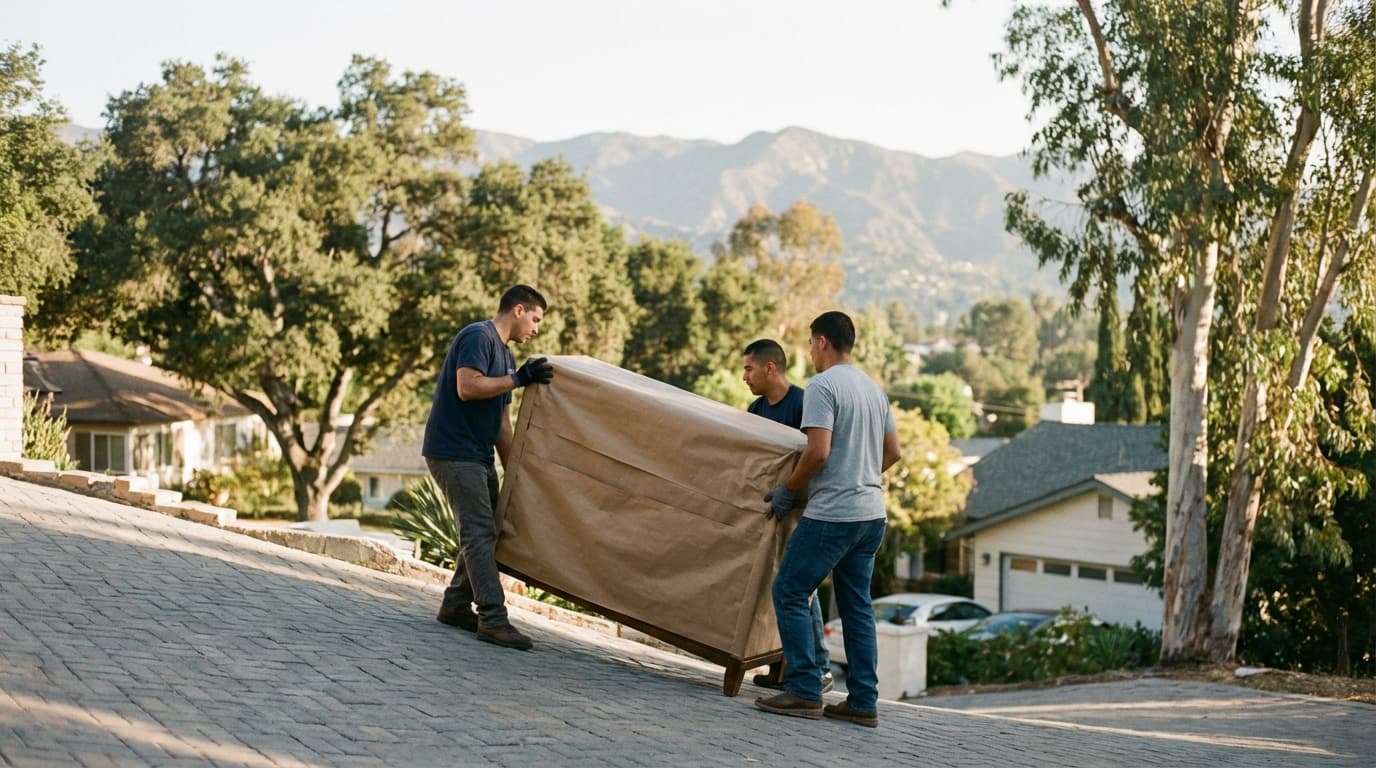
The problem: Many hillside homes have driveways at 15–25% grade — steep enough that a loaded dolly rolls backward. Some streets are too narrow for a full-size 26-foot moving truck to navigate, and a few dead-end streets have no turnaround space, meaning the truck has to reverse down a winding road.
How we handle it: For hillside moves, our dispatcher does a pre-move route assessment. We check street width, driveway grade, turnaround availability, and overhead clearance (low-hanging tree branches and power lines are common in Glendale's older neighborhoods). If a full-size truck won't work, we bring a smaller 16-foot truck and run shuttle loads — more trips, but safe and reliable.
Crew technique matters. Carrying a 300-pound dresser up a 20% grade driveway is genuinely dangerous without proper training. Our crews use heavy-duty straps, hand trucks with stair-climbing wheels, and controlled two-person carries on steep grades. This is one of those situations where hiring an experienced local moving team isn't a luxury — it's a safety requirement.
Stair fees apply. Most Glendale hillside homes have exterior stairs — sometimes 20–30 steps from the street to the front door. Expect stair surcharges of $50–$100 per flight from any reputable moving company. Factor this into your budget.
Parking and Street Access: What to Know
Glendale's parking situation varies dramatically by neighborhood:
Downtown Glendale has metered street parking and structure parking, but finding a loading zone for a moving truck requires advance coordination with building management. Most Brand Boulevard-area buildings have designated loading areas, but they're shared and time-limited. Book your slot early.
Rossmoyne and Adams Hill have narrow residential streets, often with cars parked on both sides. A moving truck may need to double-park temporarily. Check with the Glendale Transportation Department about temporary no-parking permits — the process is similar to LADOT but faster, typically 3–5 business days.
Hillside neighborhoods have the added complication of fire access roads. Some Verdugo-area streets have posted "No Parking" zones to maintain fire truck clearance. Your moving truck cannot block these zones, even briefly. Plan your parking accordingly and discuss access with your moving crew in advance.
Street sweeping runs on a set schedule throughout Glendale. A moving truck parked in a sweeping zone during posted hours will get ticketed. Check the signs on your specific street for both the origin and destination.
Schools, Culture, and Daily Life
Glendale Unified School District is well-regarded — not quite at Irvine USD or La Cañada levels, but significantly above LAUSD averages. Hoover High School, Clark Magnet High School (a STEM-focused magnet), and Crescenta Valley High (technically in the Glendale-La Crescenta area) are the standout high schools. Clark Magnet in particular draws families to Glendale specifically for its engineering and technology programs.
The food scene is Glendale's hidden weapon. The Armenian food corridor along Brand and Central is world-class — Carousel Restaurant for traditional plates, Raffi's Place for kebabs that rival anything in the Middle East, Mini Kabob for a quick counter-service meal that punches way above its price point. Beyond Armenian cuisine, Glendale has excellent Japanese (Porto's adjacent Katsu Sando spots), Korean (along North Brand), and a growing café culture centered around Montrose and Kenneth Village.
Commute patterns: To Burbank studios — 10–15 minutes, reverse commute, easy. To Downtown LA — 20–30 minutes via the 2 South to the 5, or the 134 to the 5, traffic-dependent. To Pasadena — 10–15 minutes via the 134 East. To the Westside — 30–50 minutes, and this is the pain point. The 134 to the 101 to the 405 is unpredictable, especially during awards season and pilot season when studio traffic spikes.
The hiking: Glendale has immediate access to some of LA's best trails. The Verdugo Mountains offer dozens of routes ranging from casual strolls to serious ridge hikes with 360-degree views of the San Fernando Valley, Downtown LA, and the San Gabriel Mountains. Deukmejian Wilderness Park is the most popular trailhead — expect parking challenges on weekend mornings but stunning trails once you're on the path.
Settling In: Your First Month in Glendale
Register for city services. Glendale Water & Power (GWP) handles electricity and water — separate from LA's DWP. Set up your account before move-in. Trash and recycling are handled by the city and included in your property tax or rent.
Get a library card. The Glendale Public Library system is excellent, with the Central Library on Harvard being a beautiful Art Deco building worth visiting even if you never check out a book.
Explore the farmers markets. The Montrose Harvest Market on Sundays is the main attraction — local produce, prepared foods, and live music on Honolulu Avenue. There's also a Thursday market on Brand Boulevard downtown.
Know the earthquake factor. Glendale sits near the Raymond and Verdugo faults. The hillside areas specifically have earthquake risk considerations — older homes may not be retrofitted. If you're buying, invest in an earthquake inspection and consider bolting the foundation if it hasn't been done. Earthquake insurance is separate from homeowner's insurance and runs $800–$2,000/year depending on the home and location.
Green Moving commits 1% of every move to California environmental causes. Glendale's proximity to the Verdugo Mountain open space and the city's own sustainability programs make environmental consciousness a natural part of living here — starting your Glendale chapter with an eco-minded move fits right in.
FAQ
How much does it cost to move to Glendale from West LA? A 1–2 bedroom apartment move from the Westside to Glendale typically costs $700–$1,100 with a crew of 2–3 movers and a truck, taking 4–6 hours. Hillside homes with steep driveways or limited truck access add $200–$400 for shuttle operations and extended carry time.
What is the best neighborhood in Glendale for families? Montrose and Crescenta Highlands offer the best combination of family-friendly streets, good schools, and outdoor access. Rossmoyne is ideal for families who want architectural character and walkability. Downtown Glendale suits families who prefer urban amenities and apartment living with walkable entertainment.
Is Glendale safer than Los Angeles? Glendale consistently ranks among the safest cities in LA County for its population size. It has its own police department (separate from LAPD) with a higher officer-to-resident ratio. Property crime exists, particularly car break-ins in commercial areas, but violent crime rates are significantly below LA city averages.
How is the commute from Glendale to Downtown LA? The drive takes 20–30 minutes via the 2 South to the 5 during moderate traffic. Morning rush adds 10–20 minutes. The Metro B Line (formerly Red Line) is accessible from North Hollywood (15 minutes from Glendale by car), providing a rail option to DTLA, Hollywood, and Koreatown.
Are there good Armenian restaurants in Glendale? Glendale has one of the best Armenian food scenes outside of Armenia. Top spots include Carousel Restaurant, Raffi's Place, Mini Kabob, and Sasoun Bakery. The concentration along Brand Boulevard and Central Avenue means you can walk between multiple excellent restaurants in a single evening.
Do Glendale hillside homes cost more to move into? Yes — steep driveways, narrow roads, and limited truck access add $200–$400 to a standard move. Some properties require shuttle trucks, stair carries of 20–30 steps, and longer carry distances from street to front door. A pre-move site assessment by your moving company is essential for accurate pricing.
Ready to make Glendale home? Green Moving handles everything from Downtown high-rises to Verdugo hillside homes. Call (949) 266-9445, email sales@greenmovingla.com, or request your free quote. Licensed & insured — CAL-T 201327.
Text for test tile
Text for test tile
Text for test tile