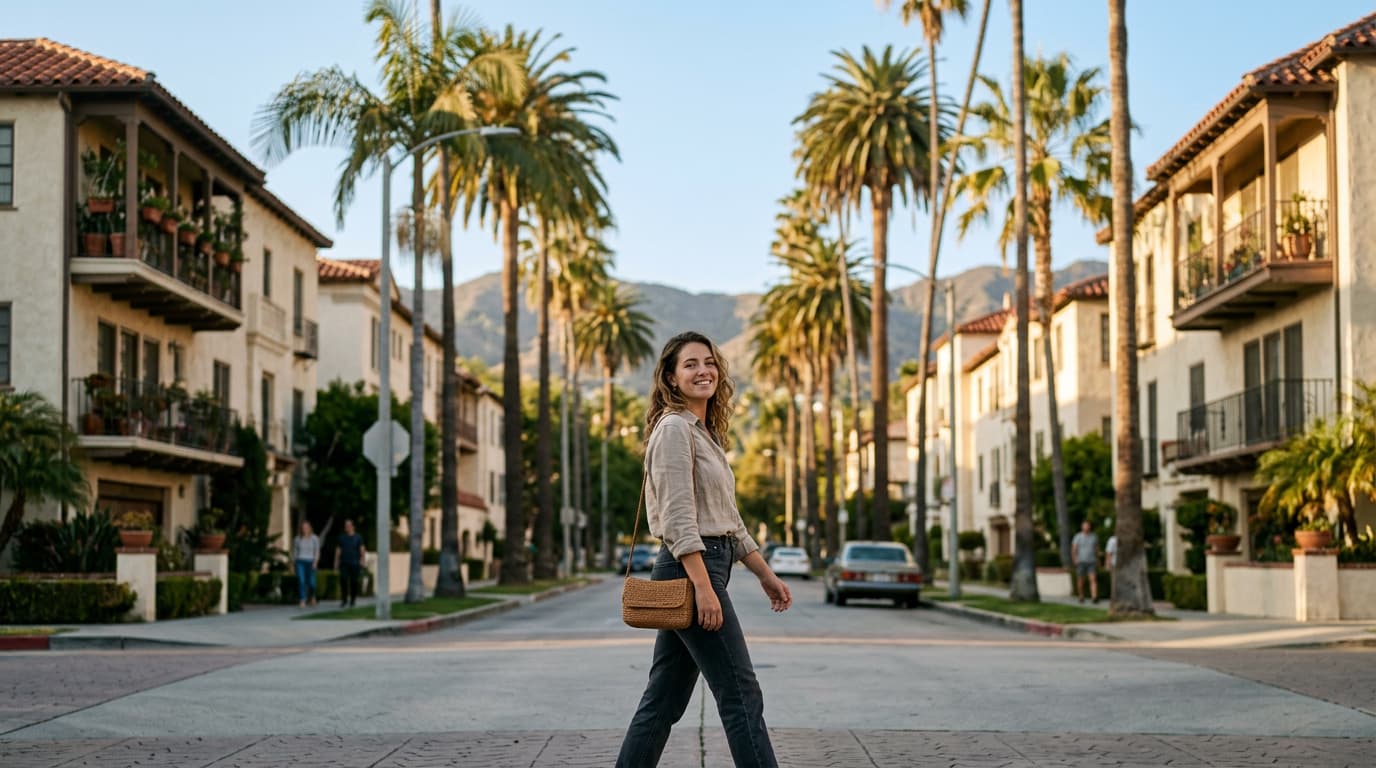
Moving to Burbank: Neighborhoods & Costs
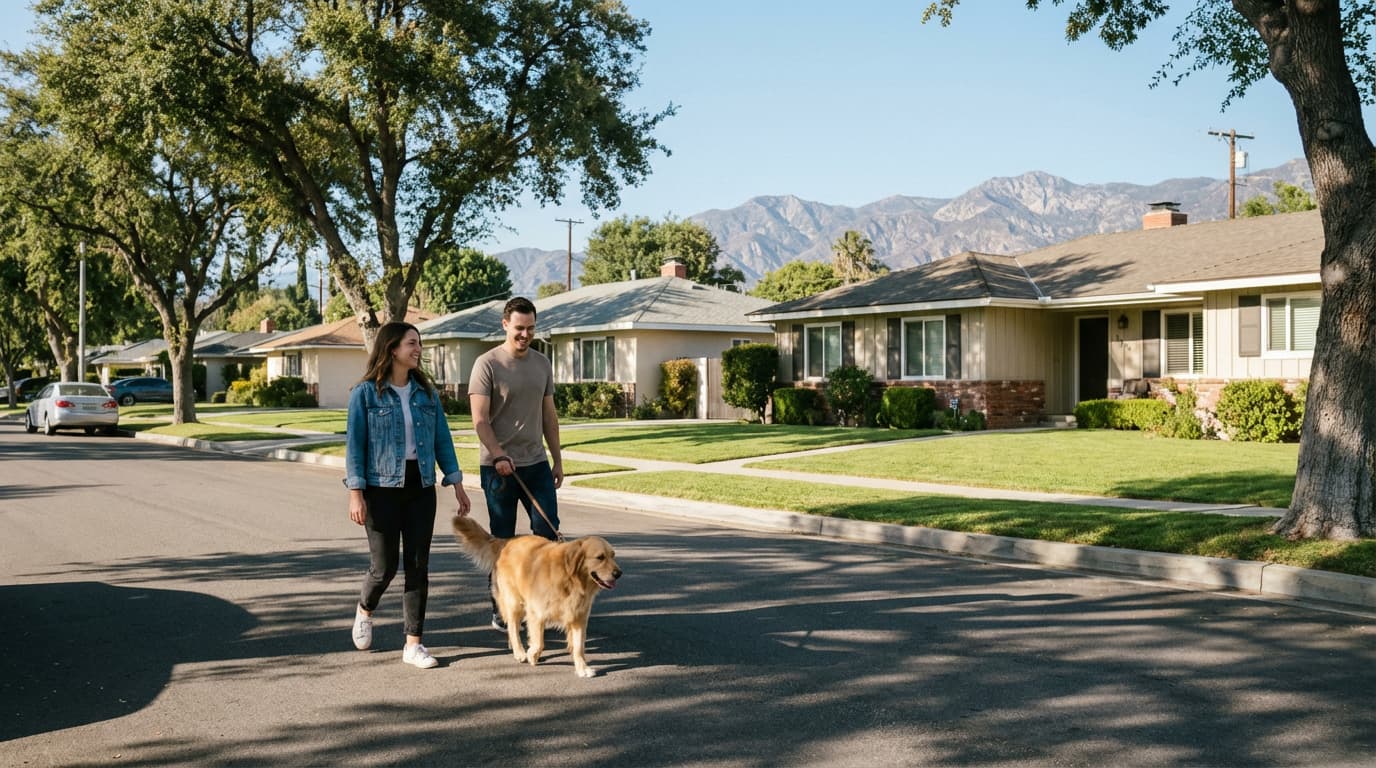
A couple of months ago I moved a costume designer from a tiny apartment in East Hollywood to a 2-bedroom bungalow on a tree-lined street near Magnolia Park in Burbank. She'd spent six years commuting to Warner Bros. from Hollywood — an 8-mile drive that took 45 minutes on a good day and 90 on a bad one. Her new commute to the studio gate? Seven minutes on surface streets. No freeway, no stress, no GPS. When we finished unloading and she sat on her new front porch watching the sunset over the Verdugos with her dog in her lap, she looked at me and said, "It feels like I moved to a small town. But my office is right there." She pointed at the studio water tower, visible from her block.
That's Burbank in a sentence. It feels like a small town — safe streets, local businesses, neighbors who say hello — but it sits at the epicenter of the global entertainment industry. I'm Daniel, a Relocation Advisor at Green Moving, and Burbank is one of the cities I've moved the most people into over the past three years, almost all of them entertainment industry professionals who finally decided that living near the studios beats fighting the 101 or the 134 every morning. This guide covers every neighborhood, the real costs, and the details that make Burbank work — or don't — depending on what you're looking for.
Why Burbank in 2026
Burbank has quietly become one of the most desirable small cities in the LA metro. It's an independent city of about 110,000 people — not part of LA — with its own police, fire, water, and power departments (Burbank Water and Power, separate from DWP). That independence translates to tangible quality-of-life differences: cleaner streets, faster emergency response, lower utility rates, and a city government that's responsive because the constituency is manageable in size.
The economic engine is entertainment. Walt Disney Studios, Warner Bros. Studios, and Nickelodeon's West Coast headquarters are all within the city limits. Netflix, ABC, Cartoon Network, and dozens of production companies, post-production houses, and talent agencies have offices here. When people in the industry say they "work in Burbank," they could mean any of fifty different companies within a 3-mile radius.
But Burbank isn't just a company town. It has a thriving retail corridor along Magnolia Boulevard, a revitalized Downtown district, excellent schools in the Burbank Unified School District, and a park system that punches well above its weight. The Chandler Bikeway — a converted rail line that runs through the heart of the city — connects neighborhoods, shopping, and dining in a way that feels almost European in its walkability.
The trade-off: Burbank is not hip. It doesn't have the gallery scene of DTLA, the nightlife of Hollywood, or the beach culture of Venice. It's a city where the biggest weekend event is the farmers market and where people genuinely get excited about the new restaurant that opened on San Fernando Boulevard. If that sounds boring, Burbank isn't for you. If that sounds like exactly what you need after years of LA chaos, welcome home.
Burbank Neighborhoods: Where to Live
Burbank is compact — about 17 square miles — but the neighborhoods have distinct personalities and price points.
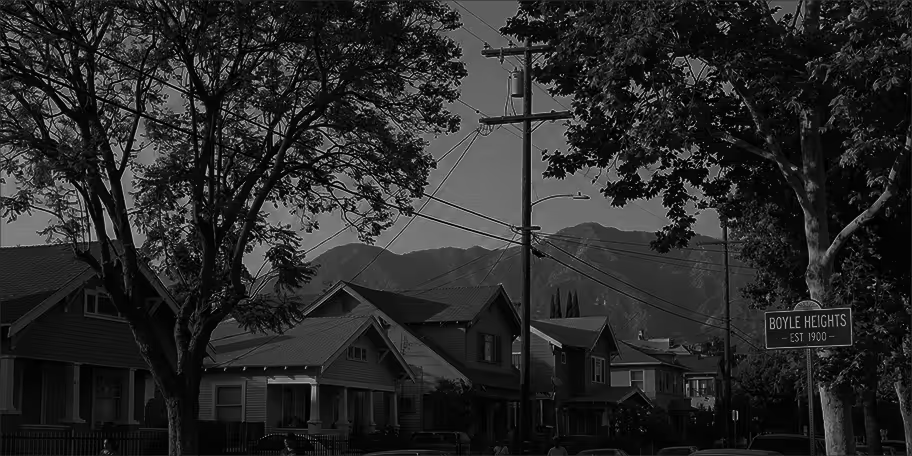
Magnolia Park is the crown jewel. Centered on Magnolia Boulevard between Hollywood Way and Niagara Street, it's a walkable strip of vintage shops, independent restaurants, coffee shops, and specialty stores. The surrounding residential streets feature well-maintained 1940s–60s bungalows, Craftsman cottages, and modest ranch homes. This is where the "small town" feel is strongest — you'll run into your neighbors at Portos Bakery, at the coffee shop, at the weekend swap meet. Home prices run $900K–$1.4M for a 2–3 bedroom. Rentals are tight — $2,000–$2,800/month for a 1–2 bedroom — because demand from entertainment workers is constant.
The Media District / Riverside Drive is the neighborhood closest to the studios. Warner Bros. is right there, Disney is a few blocks south, and the restaurants and bars along Riverside Drive cater to an industry crowd. The housing stock is primarily apartments and small condos — this is rental territory for most people. Studios start at $1,600/month, 1-bedrooms $2,000–$2,500. If you want to walk to work at a studio, this is where you live. Moving logistics here are apartment-style — freight elevators in larger buildings, street parking coordination for smaller complexes. Our apartment moving checklist covers the full protocol.
The Rancho (Rancho Equestrian District) is Burbank's most unique neighborhood — a designated equestrian zone where many properties have horse facilities, and it's legal to ride horses on the streets. Located in the northeast corner bordering the Verdugo Mountains and Griffith Park, the Rancho has larger lots, older ranch-style homes, and a rural feel that's genuinely surprising given that you're 12 miles from Downtown LA. Homes run $1.2M–$2.5M+. The Rancho is popular with families who want space, animals, and immediate trail access to Griffith Park and the Verdugos.
Hillside / Sunset Canyon is the foothill area climbing up toward the Verdugos north of Glenoaks Boulevard. Similar to Glendale's hillside neighborhoods — steep driveways, narrow winding roads, and views of the valley floor. Mid-century homes and some newer construction, $1.0M–$1.8M. Moving logistics here mirror what I described in our Glendale guide — pre-move route assessment, possible shuttle trucks, and stair carry surcharges.
Downtown Burbank / San Fernando Corridor is the city's urban center, anchored by the Burbank Town Center mall and the blocks of restaurants and shops along San Fernando Boulevard. Mixed-use development has brought newer apartment buildings to the area. This is the most "urban" part of Burbank — walkable, transit-accessible (the Metrolink Burbank station is here), and close to everything. Apartments $1,800–$2,600/month. Condos $500K–$800K. Good for young professionals who want city energy without full LA prices.
Airport District / Golden State corridor runs along the 5 freeway near Hollywood Burbank Airport. More industrial and commercial, with residential pockets. The most affordable part of Burbank — homes $800K–$1.1M — but also the noisiest due to airport flight paths and freeway proximity. Good value for buyers who prioritize budget over ambiance.
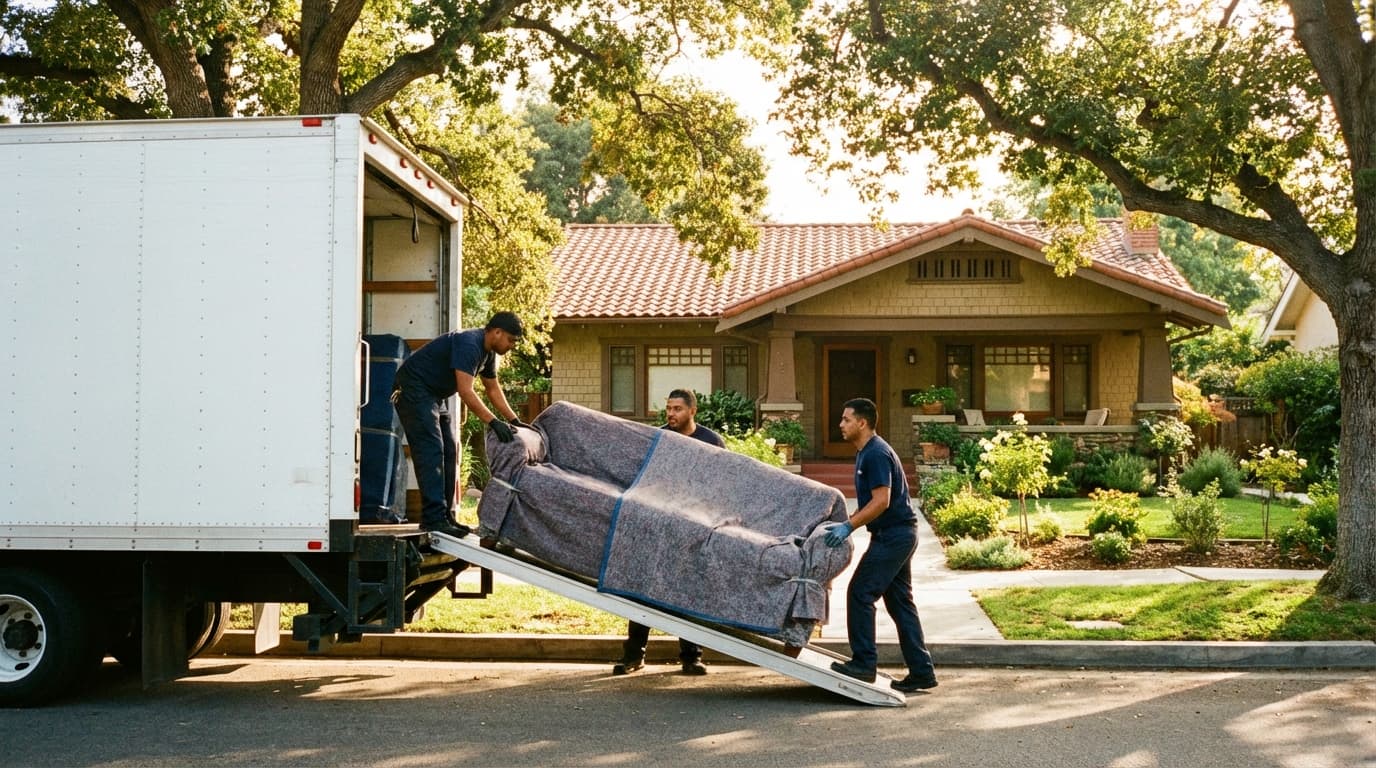
🎬 Moving to Burbank? Green Moving knows every neighborhood — from Magnolia Park bungalows to Rancho estates. Call (949) 266-9445 or get a free quote. Our local moving crews handle Burbank's mix of apartment complexes and hillside homes with equal expertise.
What It Costs to Move to Burbank
Real pricing from our recent Burbank moves:
From a Hollywood / East Hollywood apartment (1–2 bedroom): Distance: 5–10 miles. Crew: 2 movers + truck. Time: 3–5 hours. Cost: $500–$900. The most common Burbank move — entertainment workers upgrading from a cramped LA apartment to more space. The 101 to Barham or the 134 from Silver Lake are the typical routes. Avoid the 134/5 interchange between 4–7 PM.
From the Westside (Santa Monica, Venice, Culver City): Distance: 15–25 miles. Crew: 2–3 movers + truck. Time: 5–7 hours. Cost: $800–$1,300. The cross-city commute move. The 405-to-101-to-134 route is the most direct but traffic-dependent. Schedule departure before 9 AM or after 7 PM for the smoothest run.
From another Valley city (North Hollywood, Studio City, Sherman Oaks): Distance: 3–10 miles. Crew: 2 movers + truck. Time: 3–4 hours. Cost: $450–$750. Short, easy moves with no freeway complexity. Surface streets work fine — Lankershim, Cahuenga, or Olive Avenue depending on origin.
3–4 bedroom house (any SoCal origin): Crew: 3–4 movers + truck. Time: 6–9 hours. Cost: $1,200–$2,400. Standard for Magnolia Park bungalows, Rancho properties, or hillside homes. Hillside properties in Sunset Canyon add $200–$400 for steep driveway logistics and potential shuttle operations.
The Rancho premium: Properties in the Rancho District sometimes have unpaved driveways, low-hanging trees, and long distances from the street to the front door. Budget an extra $100–$200 for extended carry time and terrain considerations.
The Entertainment Industry Commute
This is what brings most people to Burbank, so let me lay out the specifics:
To Warner Bros. Studios (4000 Warner Blvd): From Magnolia Park — 5 minutes by car, 10 by bike. From the Media District — walking distance. From the Rancho — 8–10 minutes. From Downtown Burbank — 5 minutes.
To Walt Disney Studios (500 S. Buena Vista St): From anywhere in Burbank — 5–15 minutes. The studio sits on the south edge of the city near the Glendale border. Olive Avenue and Buena Vista Street are the main routes.
To Universal Studios / NBCUniversal (100 Universal City Plaza): From Burbank — 10–15 minutes via Barham Boulevard or the 134 to the 101. This is the commute that Burbank residents brag about — Universal is technically in unincorporated LA County, and from eastern Burbank, it's a straight shot down Barham over the hill.
To Netflix / Sunset Bronson / other Hollywood studios: 15–25 minutes depending on traffic. Barham to the 101, or surface streets through Griffith Park (yes, you can cut through). Morning rush adds 10–15 minutes.
To Culver City studios (Amazon, Apple TV+, Sony): 25–40 minutes. This is the one commute that makes Burbank less ideal — the 134 to the 101 to the 405 to Culver is long and unpredictable. Hybrid schedules help; a daily Burbank-to-Culver commute would test anyone's patience.
Schools and Family Life
Burbank Unified School District is the single district serving the entire city — a rarity in LA County, where most cities are split across multiple districts. BUSD is solid — not elite like La Cañada or Irvine, but well above LAUSD averages with strong parent involvement, good facilities, and a community feel that benefits from the small-city scale.
Luther Burbank Middle School and John Burroughs High School are the two most recognized schools. Burroughs in particular has an excellent performing arts program — unsurprising given that half the student body has parents in the entertainment industry. The drama and film programs regularly produce students who go directly into industry careers.
Providencia Elementary and Walt Disney Elementary (yes, named after him — his studios are a mile away) are both well-regarded primaries. School assignments are neighborhood-based, so verify your zone on the BUSD website before committing to a home.
For families, Burbank's park system is a major asset. Wildwood Canyon Park offers real hiking directly from the city, McCambridge Park has an excellent rec center and pool, and the Chandler Bikeway connects the east and west sides of the city with a safe, car-free path that kids use to bike to school.
Parking, Street Access, and the Airport Question
Parking in Burbank is dramatically easier than in LA. Most residential streets have free, unrestricted parking. Magnolia Park has metered parking on the boulevard itself but free residential parking one block off. Downtown has structure parking. You will not need a parking permit for your moving truck in most Burbank neighborhoods — a refreshing contrast to Hollywood or DTLA.
Street access is generally excellent. Burbank's grid layout means wide, straight streets in the flatland neighborhoods. The hillside areas (Sunset Canyon, upper Rancho) have the same narrow-road challenges as any foothill neighborhood, but the flat 80% of the city is standard suburban logistics.
The airport factor: Hollywood Burbank Airport (BUR) generates noise along the flight path, which runs roughly east-west across the southern part of the city. Properties south of Victory Boulevard and near the 5 freeway corridor experience regular jet noise, especially during morning departure rushes (6–9 AM). If noise sensitivity is an issue, focus your home search north of Glenoaks or in the Magnolia Park / Rancho areas. Conversely, if you travel frequently for work (production crews, touring musicians — common in Burbank), living near BUR is a genuine lifestyle advantage. It's the fastest, least stressful airport in LA County — TSA lines are measured in minutes, not hours.
Settling In: Your First Month
Get a Burbank Water and Power account set up before move-in. BWP handles electricity and water — rates are lower than DWP, and the customer service is dramatically better. Trash is handled by the city and included in your property tax.
Walk Magnolia Boulevard end to end. From Hollywood Way to Niagara, it's about a mile of shops, food, and neighborhood energy. Highlights: Portos Bakery (get there before 9 AM on weekends or face a 45-minute line), Pinocchio's Italian, Story Tavern for craft beer, and Rocket Fizz for nostalgic candy and soda.
Explore the Chandler Bikeway. Rent a bike or bring your own and ride the full 4-mile path. It connects the Media District on the east to the residential neighborhoods on the west, passing through Downtown and Magnolia Park. On a Saturday morning, the bikeway feels like a small-town parade route — families, dogs, joggers, people riding to brunch.
Hit Fry's corner. The old Fry's Electronics building on Victory and San Fernando is now a mixed-use development — worth checking out as a symbol of Burbank's evolution from tech retail to modern urban life.
Green Moving commits 1% of every move to California environmental causes. Burbank's own sustainability programs — including BWP's renewable energy initiatives and the city's tree canopy preservation efforts — make it a community where that commitment resonates. Starting your Burbank life with an eco-conscious move sets the right tone.
FAQ
How much does it cost to move to Burbank from Hollywood? A 1–2 bedroom apartment move from Hollywood to Burbank typically costs $500–$900 with a crew of 2 movers and a truck, taking 3–5 hours. The distance is short (5–10 miles), but traffic on the 101 or Barham can add time during rush hours. Scheduling before 9 AM or after 7 PM gives the smoothest commute.
What is the best neighborhood in Burbank for families? Magnolia Park offers the best combination of walkability, school access, community feel, and charm. The Rancho is ideal for families who want large lots, outdoor space, and a rural atmosphere. Downtown Burbank suits families who prefer urban walkability and transit access. All neighborhoods are served by the same well-regarded Burbank Unified School District.
Is Burbank cheaper than living in LA? For comparable quality of life, yes. A 1-bedroom apartment in Burbank runs $1,800–$2,500/month versus $2,200–$3,200 in West Hollywood or Studio City. Home purchases follow a similar pattern — Burbank's median home price is 15–25% below comparable neighborhoods in central LA. Utility rates through BWP are also lower than DWP.
How close is Burbank to the major studios? Warner Bros. and Disney are both within Burbank city limits — commutes of 5–15 minutes from any neighborhood. Universal Studios is 10–15 minutes via Barham Boulevard. Netflix and other Hollywood-area studios are 15–25 minutes. Culver City studios (Amazon, Apple TV+, Sony) are 25–40 minutes and the least convenient commute from Burbank.
Is airport noise a problem in Burbank? It depends on location. Properties south of Victory Boulevard and near the 5 freeway corridor experience regular jet noise from Hollywood Burbank Airport. Areas north of Glenoaks, Magnolia Park, and the Rancho are largely unaffected. Visit your prospective neighborhood during morning hours (6–9 AM) to gauge noise levels before committing.
Do I need a parking permit for a moving truck in Burbank? In most Burbank residential neighborhoods, no — street parking is free and unrestricted. Downtown and Magnolia Boulevard commercial areas have metered parking, but residential streets one block off are typically open. This makes Burbank moves significantly simpler than comparable moves in Hollywood or DTLA where parking permits are essential.
Ready to make Burbank home? Green Moving handles everything from Magnolia Park bungalows to Rancho estates and Media District apartments. Call (949) 266-9445, email sales@greenmovingla.com, or request your free quote. Licensed & insured — CAL-T 201327.