Winter Moving in Los Angeles: Complete 2026 Guide
- Why Winter Is Actually LA's Best Moving Season
- Understanding LA's Winter Weather Patterns
- Holiday Season Scheduling: What I've Learned
- Rain Prep Strategies That Actually Work
- The Real Cost Savings of Winter Moving in Los Angeles
- Preparing Your New Home for a Winter Move-In
- Navigating LA Traffic During Winter Months
- Special Considerations for Holiday Decorations
- Working With Your Moving Crew in Cool Weather
- After the Move: Settling Into Your New Home
- Frequently Asked Questions
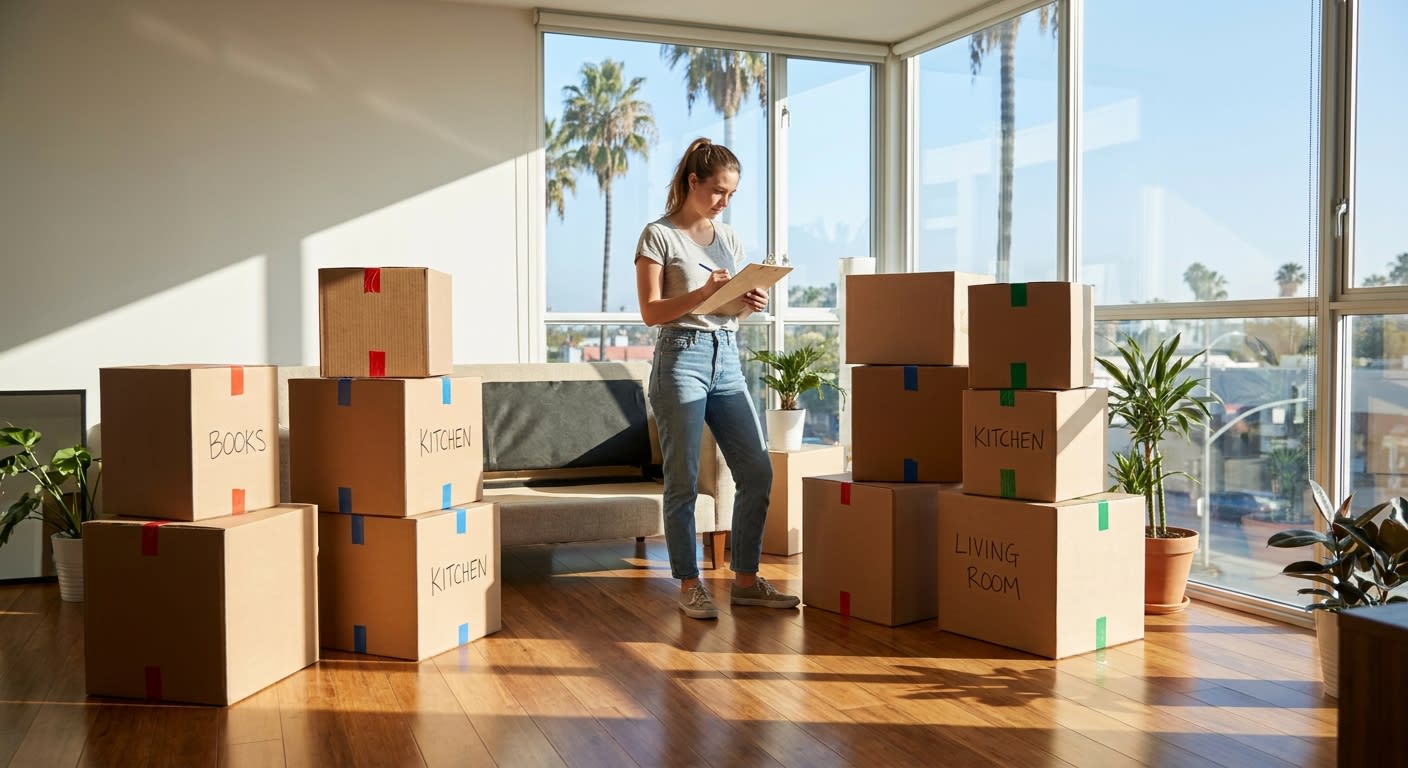
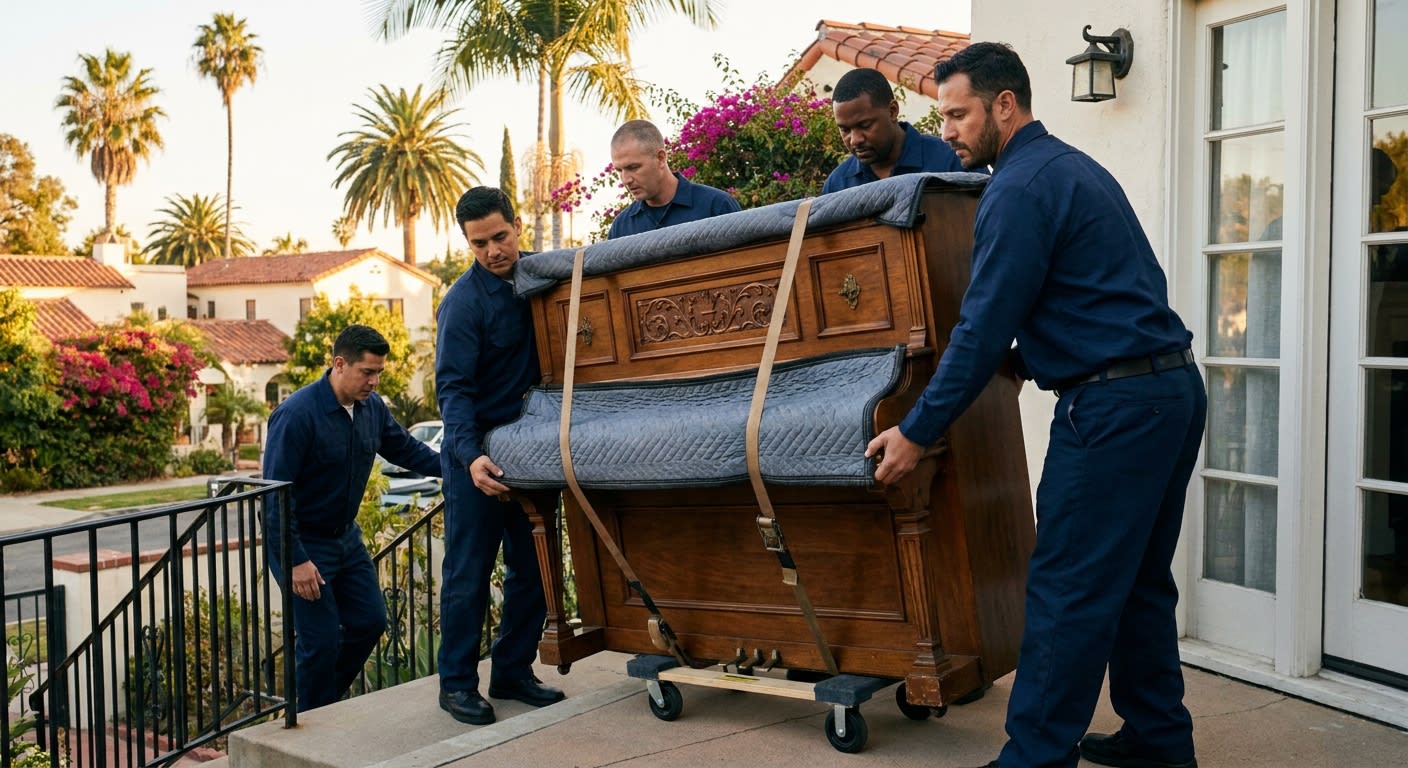
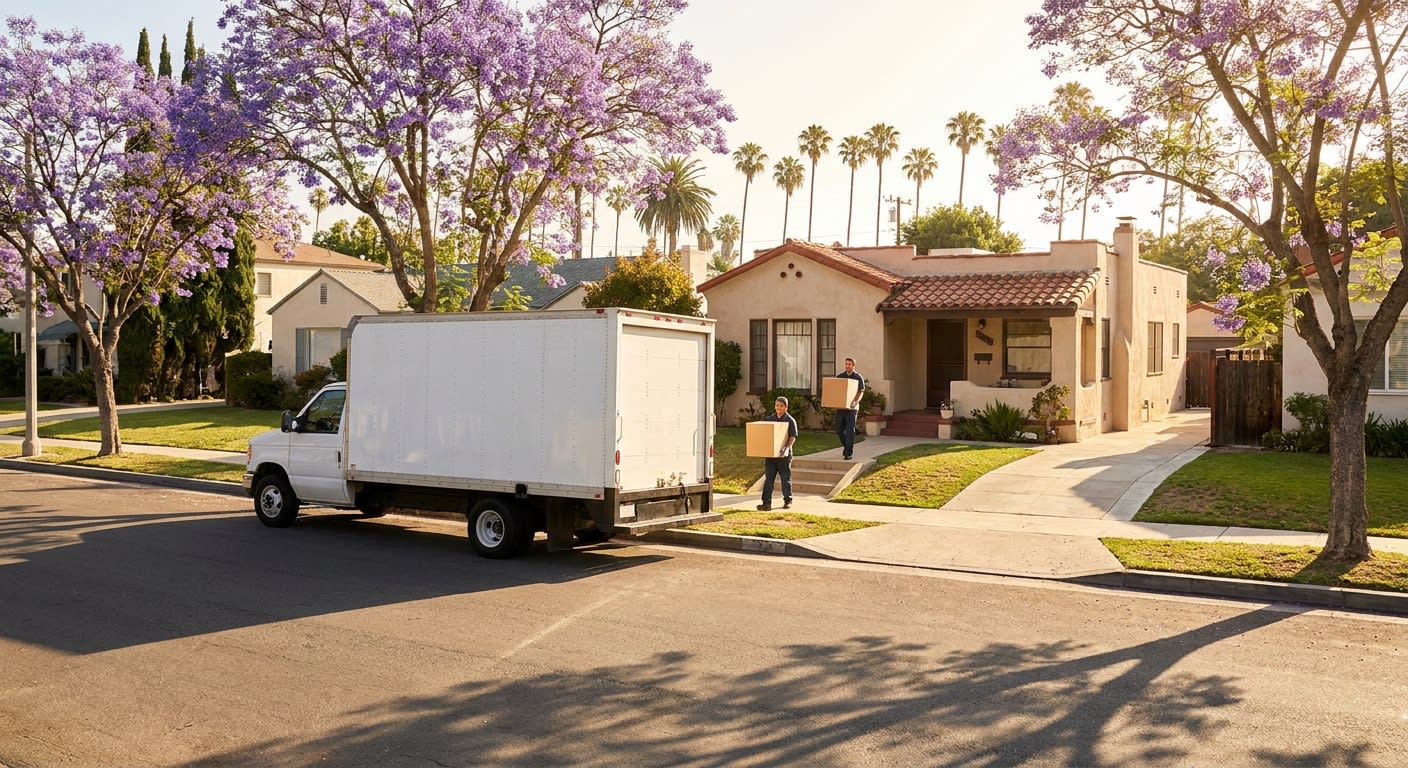
Last Tuesday, I helped a family of four relocate from a cramped apartment in Koreatown to a spacious three-bedroom in Eagle Rock. The morning was crisp—about 58 degrees—and there wasn't another moving truck in sight on their block. We finished two hours ahead of schedule, and the father told me it was the smoothest move he'd experienced in three cross-country relocations. That's winter moving in Los Angeles for you: fewer crowds, cooler temperatures, and a pace that actually lets you breathe.
I'm Julia, a Personal Moving Consultant at Green Moving LA, and I've been helping families and individuals navigate LA moves for years now. Winter is my favorite season for relocations, and not just because I don't have to remind clients to hydrate every twenty minutes. There's a rhythm to winter moving in Los Angeles that works in your favor if you know how to use it—and I'm going to walk you through everything I've learned.
Why Winter Is Actually LA's Best Moving Season
Here's what I always tell clients who call me in November looking panicked about their January move date: you've actually lucked into the sweet spot. Summer moving in LA is chaos—everyone's trying to relocate before school starts, temperatures regularly hit the 90s, and you're competing with hundreds of other families for the same weekend slots.
Winter flips the script entirely. In my experience, December through February sees roughly 40% fewer moves than the summer peak. That translates to better availability, more flexible scheduling, and crews who aren't exhausted from back-to-back moves in sweltering heat. I've seen clients book their preferred date with just a week's notice in January, something that would be impossible in July.
The temperature difference matters more than most people realize. Moving furniture is physical work, and a crew operating in 65-degree weather moves more efficiently and safely than one battling 95-degree heat. I've tracked our completion times over the years, and winter moves average about 15% faster than summer moves for comparable home sizes. That's not just comfort—that's money saved on hourly rates.
There's also less street competition. In summer, you might be jockeying for curb space with three other moving trucks on a busy block in Silver Lake. In winter? You'll likely have the street to yourself. That means faster loading, shorter walks from door to truck, and less stress for everyone involved.
Understanding LA's Winter Weather Patterns
When I moved here from the Midwest years ago, I laughed at the idea of "winter weather" in Los Angeles. Then I helped coordinate a move during an atmospheric river event and learned my lesson quickly. LA's winter isn't about snow—it's about rain, and when it rains here, things get complicated fast.
The data for 2026 shows our rainy season typically runs from late November through March, with February historically being the wettest month. We average about 15 inches of rainfall annually, but here's the catch: it tends to come in concentrated bursts rather than steady drizzle. You might have two weeks of perfect weather followed by three days of downpours.
In my experience, the key is flexibility. I always tell clients booking winter moves to identify a backup date if possible. Most of the time, you won't need it—we have plenty of dry days even in February. But having that cushion eliminates anxiety. I worked with a couple last January who had a backup date lined up, and when their original move day showed a 90% chance of heavy rain, we shifted everything by 48 hours and completed their move under clear skies.
Morning fog is another factor, especially if you're moving to or from coastal areas like Santa Monica, Manhattan Beach, or Long Beach. The marine layer typically burns off by 10 or 11 AM, so I often recommend later start times for coastal winter moves. Starting at 9 AM instead of 7 AM can mean the difference between navigating in low visibility and enjoying a crystal-clear moving day.
Holiday Season Scheduling: What I've Learned
The weeks between Thanksgiving and New Year's Day present unique challenges and opportunities. I've guided dozens of clients through holiday-season moves, and there are patterns worth understanding.
First, the reality: moving companies do operate during the holidays, but staffing can be tighter. At Green Moving LA, we maintain crews throughout the season, but I always encourage clients to book early December moves by mid-November, and late December moves by early December. The closer you get to Christmas and New Year's, the more limited your options become.
That said, I've seen some surprisingly smooth moves on December 26th and 27th. The streets are quiet, most people are home enjoying leftovers, and there's almost no traffic. One client told me her day-after-Christmas move was "eerily peaceful"—they made it from Pasadena to Burbank in half the usual drive time.
The week between Christmas and New Year's is what I call the "quiet window." If you can handle the timing emotionally—and I know moving during the holidays isn't everyone's preference—it's actually an excellent time to relocate. You'll find better rates, maximum availability, and a moving crew that's genuinely relaxed compared to peak season stress.
For my detailed week-by-week planning approach, check out my colleague's Ultimate 8-Week Moving Checklist for Los Angeles 2026—it's adaptable to winter timelines and covers everything you need to prepare.
Rain Prep Strategies That Actually Work
I've coordinated moves in drizzle, steady rain, and a few memorable downpours. Here's what I've learned about protecting your belongings when Mother Nature doesn't cooperate.
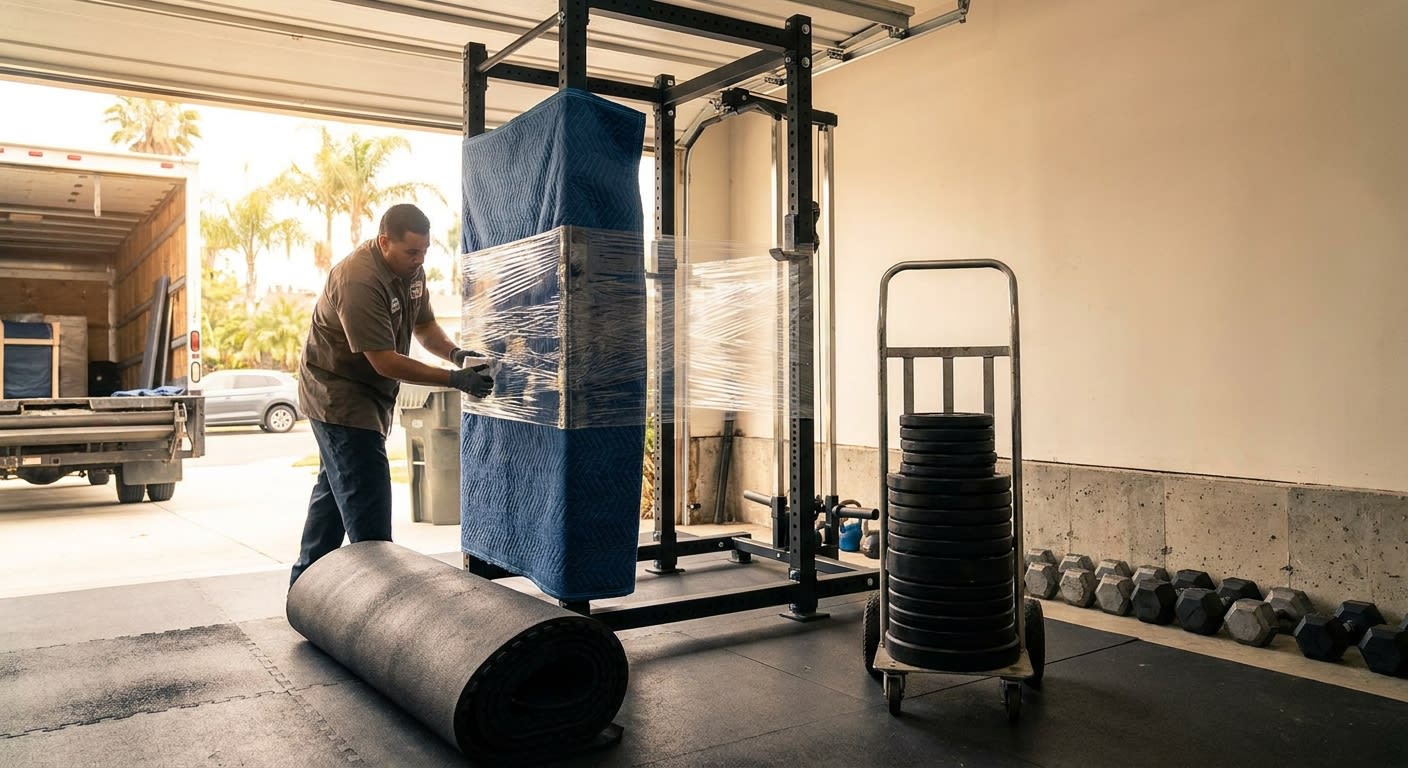
Plastic wrap is your best friend. Professional crews use it liberally, but you can supplement by wrapping your most moisture-sensitive items yourself before moving day. Electronics, important documents, photo albums, and artwork should all get extra protection. I recommend a layer of moving blankets followed by plastic wrap for anything you'd cry over if it got wet.
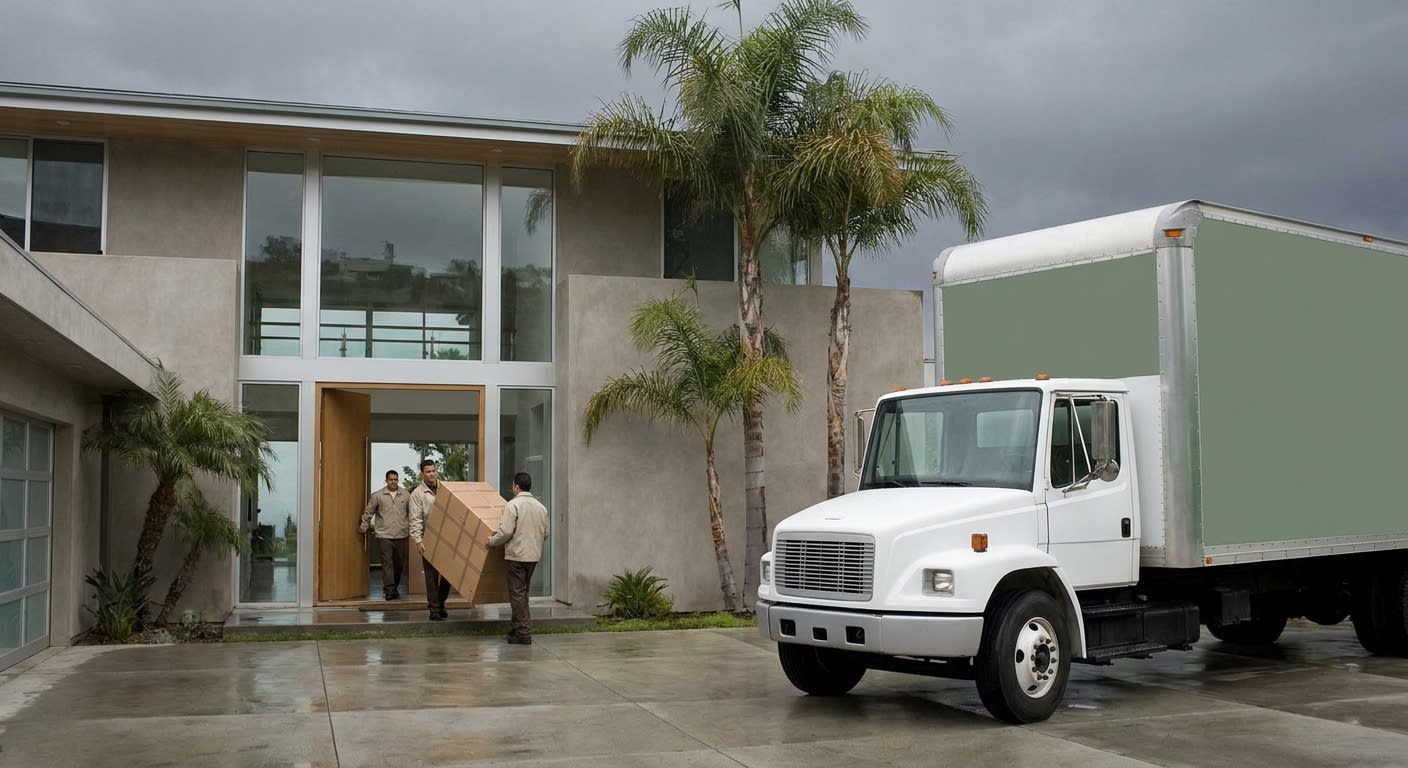
Tarps matter more than most people realize. A good moving crew will have tarps to cover the truck ramp and create covered pathways from your door. If you're concerned about rain, ask your moving company about their rain protocols when you book. At Green Moving LA, we carry multiple tarps on every winter truck specifically for this reason—it's part of how we ensure nothing gets damaged.
Inside the home, lay down protective floor coverings. Wet shoes and boots will track mud and water across your floors, whether you're in your old home or your new one. Cardboard flattened over entryways works in a pinch, but proper floor runners are better. We provide these as standard, but if you're coordinating a DIY move, pick up some plastic floor protection from any hardware store.
Timing matters enormously. If there's rain in the forecast, I work with clients to front-load the most weather-sensitive items. We'll move electronics, documents, and anything moisture-vulnerable first thing in the morning, often before rain arrives. Heavy furniture that can handle a few drops? That can wait until later.
📦 Need help protecting your valuables during a winter move? Our professional packing team uses specialized materials for weather protection. Call (949) 266-9445 or get a free quote today.
The Real Cost Savings of Winter Moving in Los Angeles
I hear a lot of vague claims about winter moving being "cheaper," so let me give you the specific numbers I've seen in 2026. The savings are real, but they vary based on several factors.
Hourly rates during peak summer season (June through August) typically run 15-25% higher than winter rates for the same service. For a standard three-bedroom move that might take 6-8 hours, that percentage difference translates to roughly $200-400 in savings. At Green Moving LA, our rates start from $129/hour, and you'll find our winter availability much more flexible than summer months.
Beyond hourly rates, there are hidden savings. Summer moves often require earlier booking deposits and stricter cancellation policies because demand is so high. Winter moves typically offer more flexible terms. I've helped clients reschedule winter moves with just a few days' notice when their closing dates shifted—something that would cost a penalty fee in summer.
Apartment complexes and HOAs are also easier to work with in winter. Elevator reservations, loading dock time slots, and parking permits are all easier to secure when you're not competing with a dozen other move-ins that month. One property manager in downtown LA told me they see about one-third the moving activity in January compared to August.
For a deeper breakdown of what drives moving costs in our area, my colleague Kuanysh wrote an excellent piece: How Much Do Movers Cost in Los Angeles? 2026 Guide. It covers everything from hourly calculations to specialty item pricing.
Preparing Your New Home for a Winter Move-In
Something I've noticed over the years: people focus so much on getting out of their old place that they forget to prepare their new home for arrival. Winter move-ins have specific needs that summer moves don't.
First, make sure utilities are active before moving day—especially heating. I know LA doesn't get Minnesota-cold, but arriving at a 50-degree house after a long moving day is miserable. Most utility companies can activate service 2-3 days in advance. Schedule it early so you're not scrambling.
Check that all exterior lights work at your new place. Winter days are short, and if your move runs into evening hours, you'll want good lighting at entryways and walkways. I've seen crews working by phone flashlight because exterior bulbs were burned out, and it slows everything down.
If your new home has a fireplace, have it inspected before your first use. Many LA homes have fireplaces that haven't been used in years, and a blocked chimney or damaged flue is a safety hazard. A chimney inspection runs about $150-250 and gives you peace of mind heading into cozy season.
Consider your first-night setup carefully. Pack a "winter arrival kit" that stays with you in your car, not buried in the truck. Include warm layers, a portable heater (if your furnace takes time to warm the place), blankets, and comfort items. Hot chocolate supplies don't hurt either. I've had clients thank me profusely for this suggestion—there's nothing worse than digging through boxes looking for a sweater when you're cold and exhausted.
Navigating LA Traffic During Winter Months
LA traffic is always a factor, but winter brings specific patterns worth understanding. The good news: overall, traffic is lighter from mid-December through early January. Schools are out, many businesses operate on reduced schedules, and vacation travel thins the roads.
The bad news: when it rains, everything changes. Angelenos famously don't know how to drive in rain—or more accurately, we don't get enough practice. A moderate rainstorm can add 30-45 minutes to what should be a straightforward cross-city move. I always build extra buffer time into winter moving schedules, and I recommend clients do the same.
The 405, the 101, and the 110 are particularly prone to rain-related slowdowns due to volume. If your move requires traveling these corridors, consider timing around weather windows. Morning moves that wrap up before afternoon rain arrives tend to go more smoothly than moves that run into weather delays mid-transit.
One pattern I've noticed: post-holiday traffic surges around January 3rd-7th, when everyone returns to work and school simultaneously. If you can complete your move before or after this window, you'll have an easier time. The last week of December and the second week of January tend to be the smoothest.
For neighborhood-specific guidance—especially around parking challenges in dense areas—check out Santa Monica Moving Tips: Parking Survival Guide. The principles apply to winter moves throughout the Westside.
Special Considerations for Holiday Decorations
This might seem like a minor topic, but I've seen holiday decorations cause real headaches during winter moves. Here's what I've learned about handling them smoothly.
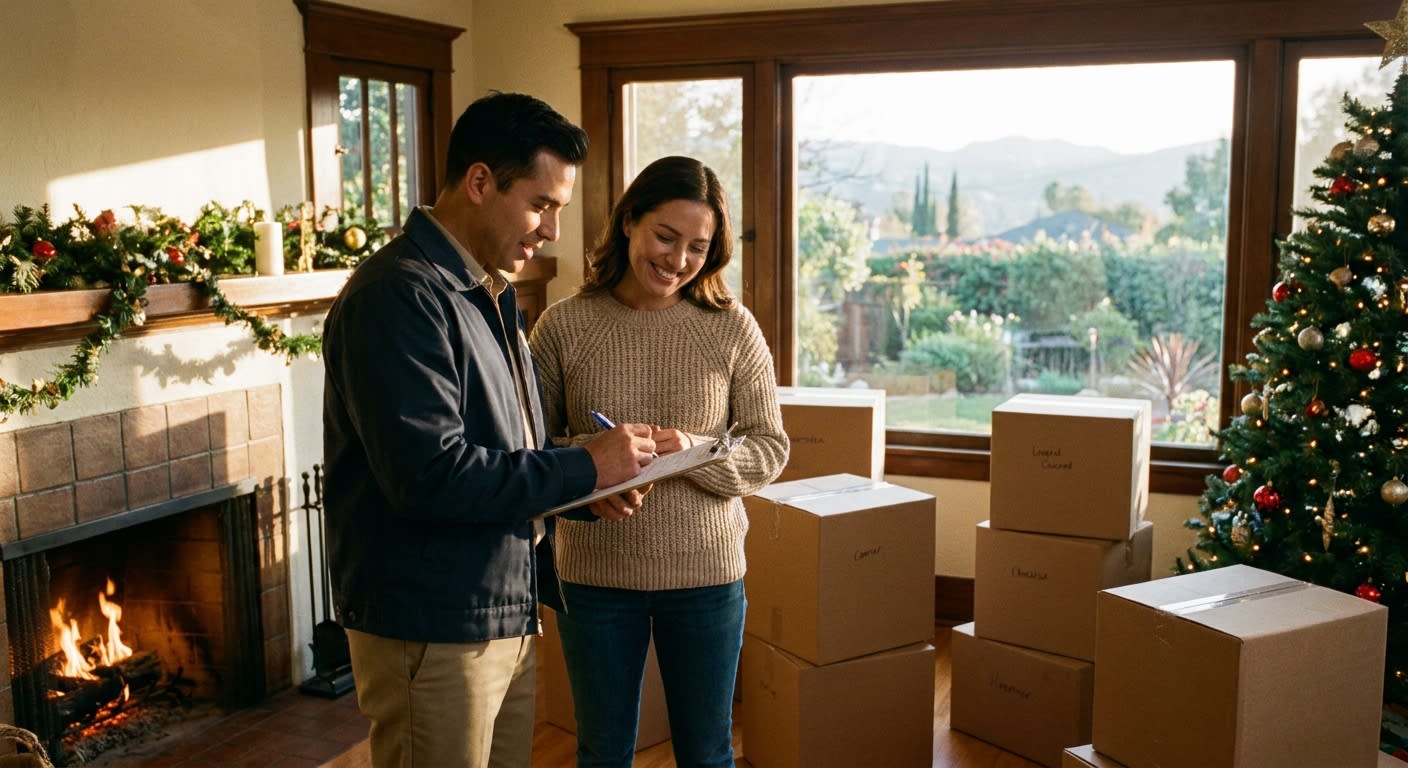
If you're moving between Thanksgiving and New Year's, you're probably dealing with decorations at one or both homes. My advice: pack decorations last at your old place and unpack them last at your new place. Resist the urge to set up a full tree before the rest of your home is organized. I've seen families surrounded by boxes, unable to find their dishes, but with an immaculately decorated living room. It creates stress rather than holiday cheer.
Artificial trees need proper disassembly and packing. Don't just shove the tree into garbage bags—you'll damage the branches and spend twice as long fluffing them next year. Tree storage bags exist for a reason, and they're worth the $30-50 investment.
Fragile ornaments require the same care as any delicate glassware. Wrap each one individually in tissue paper, and use ornament storage boxes with dividers if possible. I've seen heirloom ornaments shattered because they were packed loose in a box with "FRAGILE" written on the side. The label doesn't protect the contents—proper packing does.
Outdoor decorations often get forgotten until the last minute. If you have lights on the house, inflatables, or yard decorations, add them to your moving checklist specifically. They're easy to overlook when you're focused on the interior.
Working With Your Moving Crew in Cool Weather
There's a human element to moving that sometimes gets overlooked, and winter weather affects your crew differently than summer heat.
First, the good news: your movers will be more comfortable and likely in better spirits than they would be in August. Nobody's fighting heat exhaustion or dehydration. The work is still physical, but the conditions are much more manageable.
That said, cool mornings—especially in December and January—mean crews may need a few minutes to warm up physically before heavy lifting. This isn't slacking; it's injury prevention. Cold muscles are more prone to strains. A professional crew knows this and will pace accordingly.
Offering hot coffee or tea is always appreciated. It's not expected, but it's a kind gesture that makes the day more pleasant for everyone. If you're able to have a pot ready when the crew arrives, they'll likely remember you fondly.
Clear communication about rain contingencies helps everyone. Before moving day, confirm with your moving company what happens if weather forces a delay. Knowing the plan in advance reduces stress and prevents misunderstandings on the day itself.
After the Move: Settling Into Your New Home
The boxes are unloaded, the truck is gone, and now you're standing in your new place surrounded by work to do. Here's how I recommend approaching the first few days and weeks.
Prioritize comfort zones. You don't need to unpack everything immediately, but creating one fully functional, comfortable space makes everything easier. Usually that's the bedroom—get your bed set up with fresh sheets, hang a few familiar items, and make it a retreat from the chaos of boxes elsewhere.
Winter is actually great for post-move organization because you're more likely to be home. Summer moves often collide with vacation plans and outdoor activities. In January or February, cozy weekend days are perfect for unpacking, organizing, and making your new place feel like home.
Don't rush to host holiday gatherings. I've seen clients stress themselves out trying to have a "perfect" first Christmas dinner or New Year's party in their new space. Give yourself permission to have a quiet first winter season. The gatherings will still be there next year when you're fully settled.
Update your address with essential services immediately: USPS forwarding, DMV registration, voter registration, and any subscriptions. California requires address updates with the DMV within 10 days of moving, and you don't want to miss important mail during the holiday season.
Frequently Asked Questions
What happens if it rains on my scheduled moving day?
Most professional moving companies, including ours, can proceed in light rain using tarps and protective coverings. For heavy rain or unsafe conditions, we'll work with you to reschedule at no penalty. In my experience, completely unusable rain days are rare in LA—maybe 5-8 days per winter season—so the odds are in your favor.
Are moving companies open on holidays like Christmas Day or New Year's Day?
Most companies, including Green Moving LA, are closed on Christmas Day and New Year's Day, but operate on reduced schedules during the surrounding days. If you need to move during the holiday week, book early and confirm specific availability. December 26-30 typically has good availability at many companies.
How much can I really save by moving in winter versus summer?
Based on what I've seen in 2026, winter moves typically cost 15-25% less than equivalent summer moves due to lower demand, better rate availability, and fewer schedule conflicts. For a typical three-bedroom home, that translates to roughly $200-500 in savings. Additional savings come from easier scheduling and more flexible policies.
Should I worry about my plants during a winter move?
Plants are more vulnerable in winter than summer because cold exposure—even the relatively mild LA cold—can damage tropical houseplants. Keep plants in your climate-controlled car rather than the moving truck, and don't leave them outside during loading or unloading. Most common houseplants start suffering below 50 degrees.
Is it harder to find apartments or close on homes during winter?
Actually, it's often easier. The rental and real estate markets slow down in winter, meaning less competition for units and more negotiating room on prices. I've had several clients score better deals on apartments because landlords were eager to fill units before the end of the year.
What should I do if my new place has no heating?
Some older LA buildings lack central heating, relying on wall units or space heaters. If you're moving into one of these, confirm the heating situation before moving day and plan accordingly. Portable electric heaters are inexpensive and can make a big difference during your first few nights while you figure out the permanent solution.
Ready to plan your winter move? Green Moving LA serves Los Angeles and Orange County with flexible scheduling and weather-ready crews. Call (949) 266-9445, email sales@greenmovingla.com, or get your free quote today. We're licensed and insured—CAL-T 201327.