Moving to Culver City 2026: Neighborhood Guide | Green Moving LA
Last month I helped a film editor relocate from a cramped studio apartment in Palms to a charming two-bedroom bungalow on Elenda Street near downtown Culver City. She had lived in Los Angeles for eight years but had never explored Culver City beyond grabbing coffee at Cognoscenti. By the time we finished unloading her boxes, she was already planning to walk to the Culver Steps for her morning workout. That transformation from newcomer to neighbor happens fast here, and I have seen it dozens of times over the years.
I'm Daniel, a Relocation Advisor at Green Moving LA, and I have been helping families and professionals move throughout Los Angeles and Orange County since we started operations. Culver City has become one of my favorite destinations to move people into because it genuinely delivers on what so many LA neighborhoods only promise: walkability, community character, and access to both the Westside and downtown without losing your mind in traffic.
Why Culver City Has Become a Top LA Destination in 2026
The Culver City I knew ten years ago was primarily Sony Pictures, a few good restaurants on Washington Boulevard, and affordable rents that attracted creative professionals priced out of Santa Monica. Today, the landscape has shifted dramatically. Apple TV+ built their massive headquarters on Washington, Amazon Studios expanded their footprint, and the tech corridor along Hayden Avenue has transformed entire blocks. But here is what surprises most newcomers: the city still feels like a city, not a corporate campus.
Walking down Culver Boulevard on a Saturday morning, you will pass families heading to the farmers market at City Hall, couples grabbing brunch at Destroyer, and groups of cyclists stopping for espresso before heading to Ballona Creek Trail. The median age skews younger than neighboring Westchester but older than Venice, creating a mix that feels genuinely multigenerational. I moved a retired couple here last spring from Brentwood who wanted walkable dining without the Venice Beach chaos. Six months later, they told me it was the best decision they ever made.
The E Line (formerly Expo Line) station at Culver City makes car-free living legitimately possible for commuters heading downtown or to USC. I have clients who sold their second car within a month of moving here. That said, if you work in Burbank or Glendale, your commute will test your patience. Geography matters in LA, and Culver City is firmly a Westside play.
Downtown Culver City: The Walkable Heart
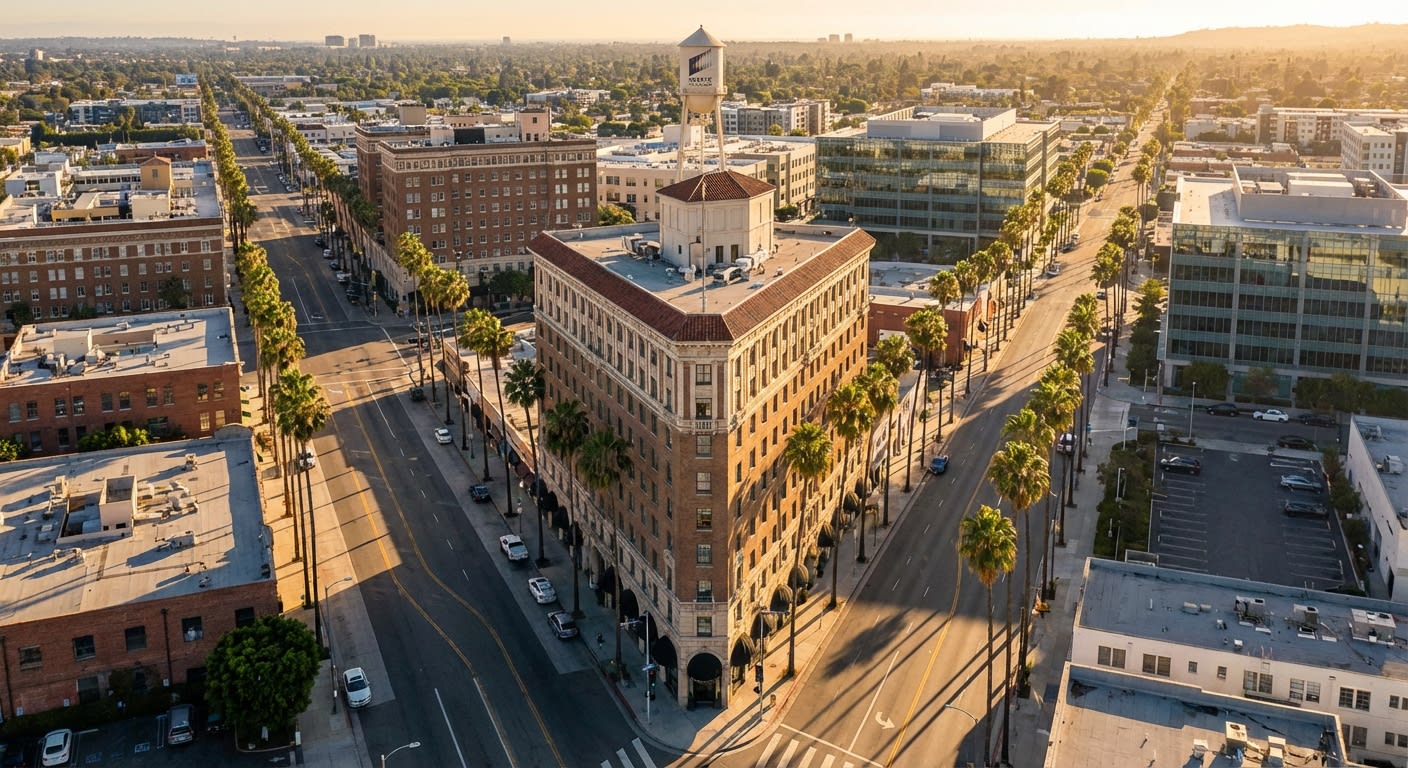
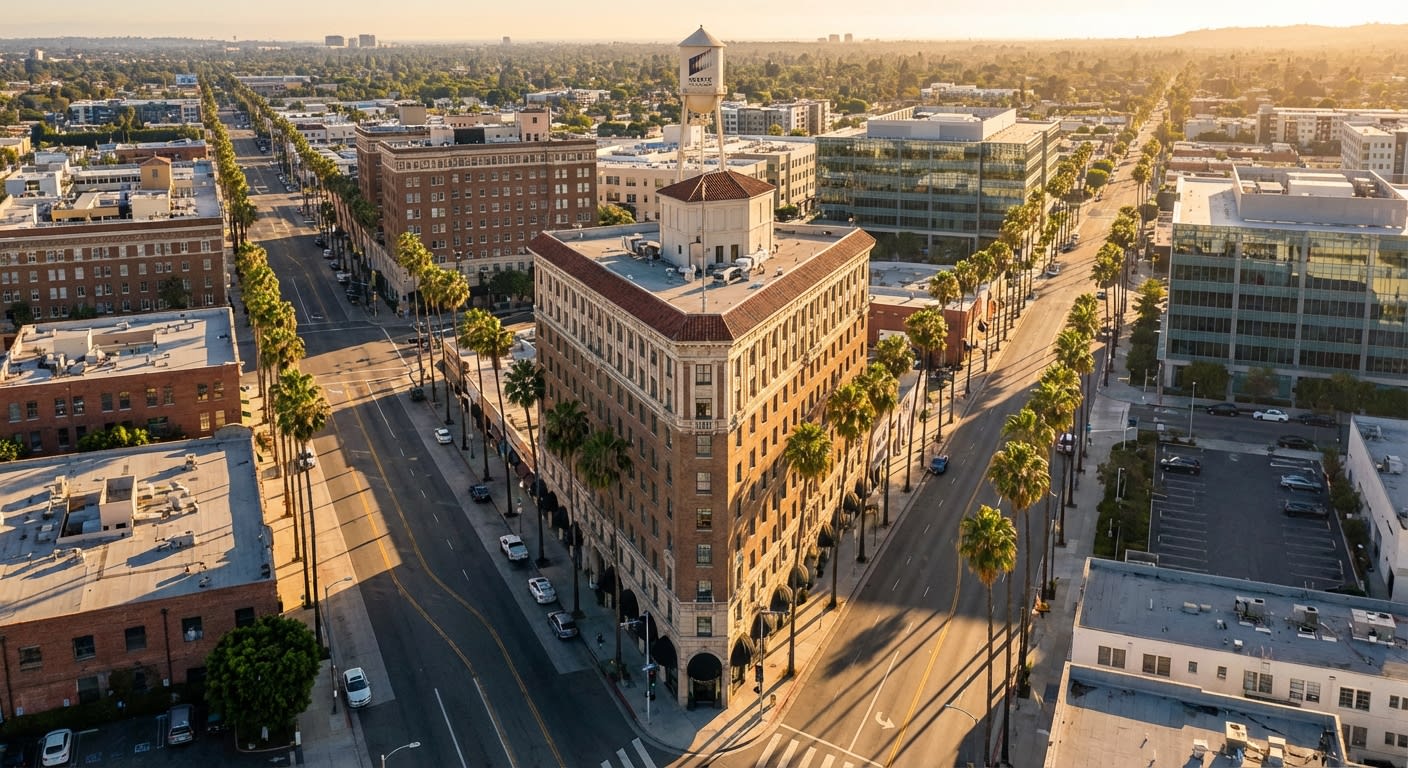
When clients tell me they want "walkable LA," I immediately ask about Downtown Culver City. The area bounded roughly by Culver Boulevard, Washington Boulevard, and the Metro station offers the closest thing to a traditional downtown experience on the Westside. You can grab breakfast at Sidecar Doughnuts, walk to work at one of the creative offices, grab lunch at Citizen Public Market, and end the day with cocktails at Margot—all without touching your car keys.
The housing here splits between older mid-century apartment buildings with courtyard layouts and newer luxury developments like Platform and Ivy Station. Expect to pay $2,800 to $3,400 for a one-bedroom in the new builds, while older units on streets like Van Buren Avenue or Duquesne Avenue might run $2,200 to $2,600 for similar square footage. The tradeoff is updated finishes and amenities versus character and outdoor space.
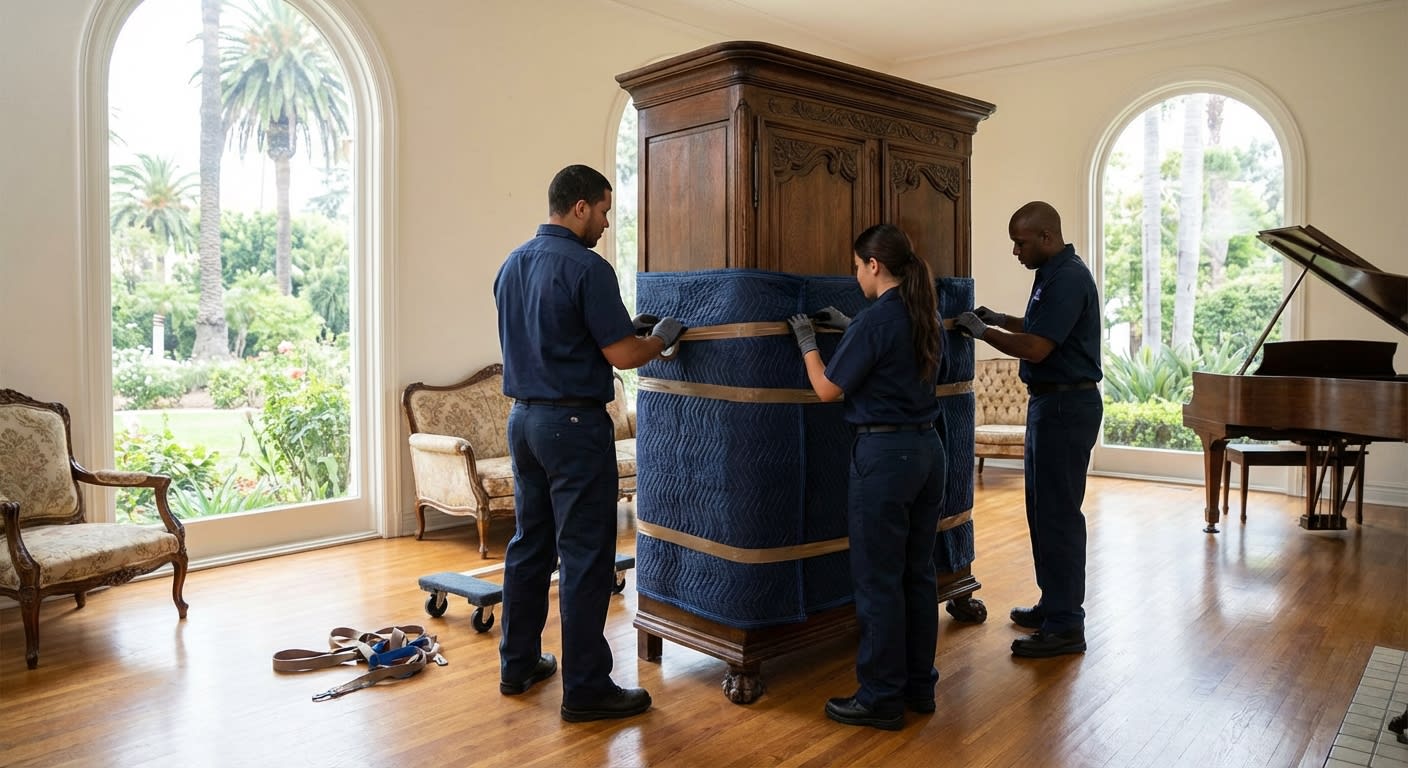
Moving into downtown Culver City presents specific challenges I always warn clients about. Street parking disappears by 9 AM on weekdays, and many buildings have tandem parking or compact spots that cannot accommodate larger vehicles. Several older buildings on Culver Boulevard have no elevator access, which means my crew has handled countless third-floor walkup moves carrying couches up narrow stairwells. If you are considering one of these units, factor in moving costs accordingly—stairs add time and labor.
The Helms District: Design Lovers and Young Families
East of La Cienega on Venice Boulevard, the Helms Bakery District has evolved from a single historic building into a destination neighborhood. The original Helms Bakery building now houses design showrooms, but the surrounding streets have developed their own residential character. I moved a furniture designer here from Silver Lake last year specifically because she wanted to be near her suppliers at the HD Buttercup building.
Washington Boulevard through this stretch has become restaurant row for Culver City. Vespertine, Destroyer, Pasta Sisters, and a rotation of newer spots draw crowds from across LA. Living here means walkable access to some of the best dining in the city, but it also means weekend traffic and parking competition from visitors.
Residential options include single-family homes on streets like Hargis Street and Overland Avenue (most built in the 1940s and 50s), plus apartment buildings converted from older commercial spaces. Single-family homes here sell in the $1.4 to $1.8 million range, while apartments run $2,400 to $2,900 for two-bedrooms. I have noticed families gravitating toward this area because of Farragut Elementary's reputation and the walkable distance to Helms Park.
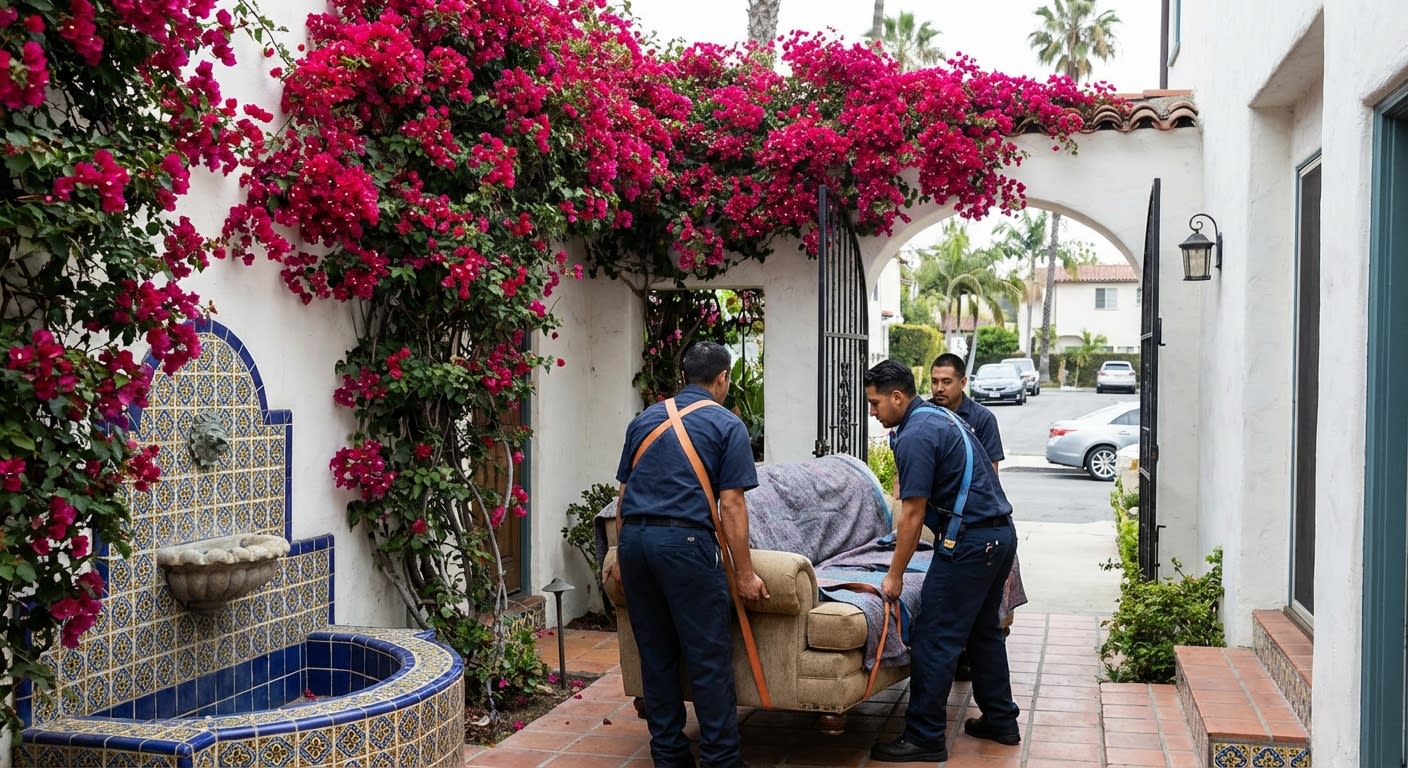
🚚 Planning your move to Culver City? My team handles everything from packing services to navigating those tricky courtyard apartments. Call (949) 266-9445 or get a free quote to start planning.
Blair Hills: Quiet Streets and Valley Views
North of Venice Boulevard, the terrain rises into the Blair Hills neighborhood, one of Culver City's best-kept secrets. The streets here—Hetzler Road, Coombs Avenue, Wrightcrest Drive—wind up the hillside with views stretching from Baldwin Hills to the ocean on clear days. I moved a television writer here from Beachwood Canyon who wanted the hillside lifestyle without the Hollywood tourist traffic.
Blair Hills homes are predominantly single-family residences from the 1950s and 60s, many with mid-century architectural details that have been lovingly preserved or thoughtfully updated. Prices range from $1.6 to $2.4 million depending on view quality and renovation status. The neighborhood feels genuinely suburban despite being ten minutes from downtown Culver City.
Moving considerations for Blair Hills involve the hills themselves. Steep driveways, narrow roads, and limited street parking require smaller trucks and careful logistics. I have done moves here where we staged equipment at a flat spot on Hetzler and shuttled items up with dollies because the moving truck could not safely navigate the client's driveway. If you are looking at homes in Blair Hills, I always recommend scheduling a walk-through with your moving company before signing a lease or closing.
Fox Hills and Sunkist Park: Affordable Entry Points
The southern portion of Culver City, below the 405 freeway, offers more affordable housing options in neighborhoods like Fox Hills and Sunkist Park. The Fox Hills Mall area (now Westfield Culver City) anchors this section, with apartment complexes and townhome communities spreading out along Green Valley Circle and Buckingham Parkway.
I moved a young couple here from Koreatown last summer who had been priced out of northern Culver City. They found a two-bedroom townhome with a garage for $2,600—about $500 less than comparable units near downtown. The tradeoff is walkability; this area requires a car for most errands, though the mall and surrounding retail provide basics.
What surprises many newcomers is the community feel in Fox Hills. The Sunkist Park neighborhood association is active, block parties happen regularly, and longtime residents maintain the kind of neighborly connections that feel increasingly rare in LA. If you are moving to Culver City on a budget but want actual Culver City schools and services (rather than LA Unified territory), this area deserves a serious look. As I mentioned in my apartment moving checklist, understanding the exact city boundaries matters for school enrollment and city services.
McManus and Lucerne-Higuera: Classic Culver City Living
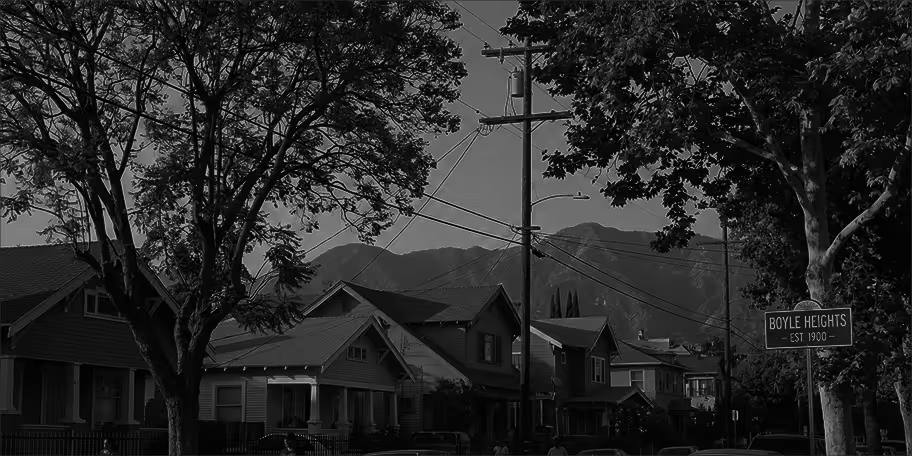
Between Washington Boulevard and the McManus neighborhood stretches what I consider the quintessential Culver City residential experience. Tree-lined streets with names like Mentone Avenue, Tilden Avenue, and Harter Avenue feature rows of Spanish Revival and California bungalow homes that have anchored families for generations.
I helped a family relocate here from the Miracle Mile last winter. They wanted a backyard, a two-car garage, and the ability to walk to dinner. They found all three on Lucerne Avenue, in a 1936 Spanish home they fell in love with at the first showing. Moving day involved navigating original hardwood floors, doorways narrower than modern standards, and a detached garage that required repositioning the truck twice.
Home prices in these core neighborhoods range from $1.3 to $1.7 million for two to three bedrooms. The housing stock is older, which means smaller closets, fewer outlets, and the occasional quirky floor plan. But the character and established landscaping create streetscapes that newer developments simply cannot replicate. If you want mature trees and actual front porches, this is where you look.
Parking Realities and Moving Logistics in Culver City
I cannot stress this enough: parking in Culver City has become genuinely challenging. The city implemented preferential parking districts across most residential neighborhoods, meaning street parking requires permits. For moving day, you will need to request a temporary parking waiver from the city, which requires advance notice and a fee. My team handles this coordination regularly, but if you are planning a DIY move, budget time for the permit process.
The Arts District and downtown area present additional challenges. Several streets become permit-only during business hours, and enforcement is aggressive. I have seen moving trucks ticketed within twenty minutes of parking without proper authorization. Loading zones exist near commercial buildings, but residential moves require the parking waiver process.
For apartment buildings, expect to reserve elevator time at most newer complexes. The buildings along Ivy Station and Platform typically require 48-hour advance booking and may restrict moving to specific hours. Older buildings like those on Duquesne or Elenda rarely have these restrictions but also rarely have elevators. As I detailed in my Santa Monica parking guide, Westside moves require planning that other parts of LA simply do not.
Schools, Parks, and Family Considerations
Culver City Unified School District is one of the main draws for families choosing this area over unincorporated LA neighborhoods nearby. The district operates independently from LAUSD with its own administration, funding, and programs. Linwood E. Howe Elementary and El Marino Elementary consistently perform well, and Culver City High School offers competitive academics alongside strong arts programs given the entertainment industry presence.
For green space, Culver City has invested significantly in recent years. The Ballona Creek Bike Path connects to the beach and provides car-free transportation and recreation. Veterans Memorial Park near downtown hosts community events and has playground facilities. The Culver City Steps—the public stairway near the Hayden Tract—has become a destination workout spot.
I moved a family with three kids under ten from West Hollywood to a home near Linwood Howe Elementary last spring. They specifically wanted the smaller school district community feel after experiencing LAUSD bureaucracy. Four months later, they told me their kids had made more neighborhood friends than in three years at their previous address.
Cost of Living and What to Expect
Let me give you real numbers for 2026. Rental averages across Culver City: studios run $1,800 to $2,200, one-bedrooms $2,200 to $2,800, two-bedrooms $2,800 to $3,600, and three-bedrooms $3,600 to $4,500. These ranges reflect both older rent-controlled units and newer market-rate developments; your actual rent depends heavily on building age and location.
Home purchases have stabilized somewhat from the 2022 peak but remain significant investments. Single-family homes average $1.5 million, with condos and townhomes ranging from $650,000 to $950,000. Property taxes in Culver City run slightly higher than LA County average due to local bonds and assessments, typically 1.2% to 1.3% of assessed value.
Utility costs are comparable to other Westside communities. DWP provides power, Southern California Gas handles natural gas, and the city runs its own water and sewer services. I tell my clients to budget $150 to $250 monthly for a two-bedroom apartment depending on air conditioning usage. For more detailed cost analysis, my colleague Kuanysh breaks down the numbers in our LA moving costs guide.
Getting Around: Transit, Traffic, and Commute Patterns
The E Line Metro station at Culver City has genuinely changed transportation patterns here. Direct service runs to downtown LA (about 35 minutes to 7th Street Metro Center) and Santa Monica (about 15 minutes). During peak hours, trains run every 6 to 8 minutes. I have multiple clients who commute to USC or downtown offices entirely by rail.
Driving commutes depend entirely on direction. Heading east toward Hollywood or downtown during morning rush typically takes 25 to 40 minutes on surface streets via Venice Boulevard or the 10 freeway. Westbound to Santa Monica or the beach runs 15 to 25 minutes. Northbound to the Valley—that is where Culver City struggles. The 405 through the Sepulveda Pass remains brutal, adding 45 to 75 minutes during peak times.
Local driving within Culver City is manageable but increasingly congested around Washington and Culver Boulevards. The tech office concentration has brought significant lunch-hour and evening rush traffic. If you work remotely or have flexible hours, Culver City works beautifully. If you commute to Burbank or Glendale daily, I would honestly suggest looking at communities closer to those areas.
Neighborhood Boundaries and Confusion Points
Here is something that confuses many newcomers: not everything that feels like Culver City actually is Culver City. The city boundaries are irregular, with unincorporated LA County pockets scattered throughout. Palms, for example, sits adjacent to Culver City and shares similar character but falls under LAUSD and LA city services. Mar Vista lies just north of the city boundary line.
Why does this matter? Culver City residents pay slightly higher property taxes but receive Culver City Unified schools, dedicated police and fire services, and city-specific programs. The school district boundary is the deciding factor for most families. I always recommend clients verify exact jurisdiction before signing a lease or purchase agreement—addresses can be misleading.
The areas around Sepulveda Boulevard and Jefferson Boulevard are particularly tricky. Some blocks are Culver City, others are Los Angeles. Your real estate agent or landlord should clarify, but when in doubt, check with the city directly. I have seen families assume they were in Culver City schools only to discover their address was technically Los Angeles.
FAQ
What is the average cost of moving to Culver City?
A local move within LA County to Culver City typically runs $600 to $1,500 for a one to two-bedroom apartment, depending on stairs, parking complications, and total volume. Larger homes or moves requiring packing services range from $1,500 to $3,500. I always recommend getting an in-home or video estimate for accurate pricing since Culver City's older apartments often have access challenges that affect labor time.
Which Culver City neighborhood is best for young professionals?
Downtown Culver City near the Metro station offers the best combination of walkability, dining, and transit access for young professionals. You can walk to coffee shops, restaurants, and the E Line while paying slightly less than comparable Santa Monica or Venice locations. The Helms District area also works well if you prefer a quieter residential feel but still want restaurant access.
Are Culver City schools better than LAUSD?
Culver City Unified School District consistently ranks higher than LAUSD averages in standardized test scores, graduation rates, and parent satisfaction surveys. The district is smaller, allowing for more direct communication between families and administration. However, LAUSD offers specific magnet programs that CCUSD cannot match in scale. For most families seeking neighborhood schools, CCUSD represents a significant quality-of-life factor.
How is street parking in Culver City?
Challenging and increasingly regulated. Most residential neighborhoods now require preferential parking permits. Downtown and Arts District areas have metered parking during business hours. For moving day, plan ahead—my team recommends requesting temporary parking permits at least one week in advance. Without proper permits, parking enforcement will ticket, and they are active.
What are the biggest moving challenges specific to Culver City?
Older apartment buildings with narrow staircases and no elevators present the most common challenges. The Spanish-style courtyard apartments along Culver and Washington Boulevards often have limited access points and tight turns. In Blair Hills, steep driveways require specialty equipment. I recommend a pre-move walkthrough with your moving company to identify any access issues before moving day.
Is Culver City safe compared to other LA neighborhoods?
Culver City maintains its own police department and consistently reports lower crime rates than surrounding LAPD-served areas. Property crime does occur, particularly car break-ins near commercial areas, but violent crime rates remain well below LA County averages. The city's walkable design and active street life contribute to a feeling of safety that many Westside communities lack.
Ready to Make Culver City Home?
After years of helping people move into this community, I can tell you that Culver City delivers something increasingly rare in Los Angeles: genuine neighborhood character combined with urban amenities. Whether you are drawn by the schools, the walkability, the dining scene, or the creative industry presence, the city has a neighborhood that fits.
When you are ready to plan your move, my team at Green Moving LA handles relocations throughout Los Angeles and Orange County with full service moving options tailored to your needs. We know which Culver City buildings require special equipment, how to secure parking permits, and how to navigate those classic courtyard apartments without damaging the original tile work.
Give me a call at (949) 266-9445 or email sales@greenmovingla.com to start planning your move. You can also request a free quote online. We are licensed (CAL-T 201327) and committed to making your transition to Culver City as smooth as the neighborhood deserves.
Booking early ensures you get your preferred date and often better rates.
Always ask for a detailed written estimate before signing.
3-bedroom house: $1,200–$2,200 (5–7 hours)
Prices include 2–3 movers, truck, and basic insurance.