Moving to Silver Lake in 2026: Costs & Neighborhood Guide
- Why Silver Lake Remains LA's Most Coveted Creative Hub
- Understanding Moving to Silver Lake Costs in 2026
- The Micro-Neighborhoods: Where Exactly Should You Live?
- The Parking Reality Nobody Warns You About
- Navigating Move Day: Street-Level Logistics
- What You'll Actually Pay to Live Here Monthly
- Schools, Families, and the Kid Question
- Settling In: Your First Month in Silver Lake
- The Honest Downsides of Silver Lake Living
- Moving Day Tips Specific to Silver Lake
- Is Silver Lake Right for You?
- Frequently Asked Questions
Two weeks ago, I helped a podcast producer relocate from a cramped studio in Koreatown to a 1920s Spanish duplex on Micheltorena Street, right where it curves toward the reservoir. She'd been on three waiting lists for Silver Lake rentals before finally landing this place, and when I arrived for the walk-through, I understood why she'd waited. The built-in bookshelves, the arched doorways, the view of the reservoir from her kitchen window—this is what people mean when they talk about Silver Lake's magic.
I'm Daniel, a Relocation Advisor at Green Moving LA, and I've been helping people move into and around Silver Lake for years now. This neighborhood has a reputation that precedes it—creative, expensive, a little pretentious depending on who you ask—but the reality on the ground is more nuanced. I'll walk you through what moving to Silver Lake costs in 2026, which micro-neighborhoods fit different lifestyles, and the street-level details that'll make your transition smoother.
Why Silver Lake Remains LA's Most Coveted Creative Hub
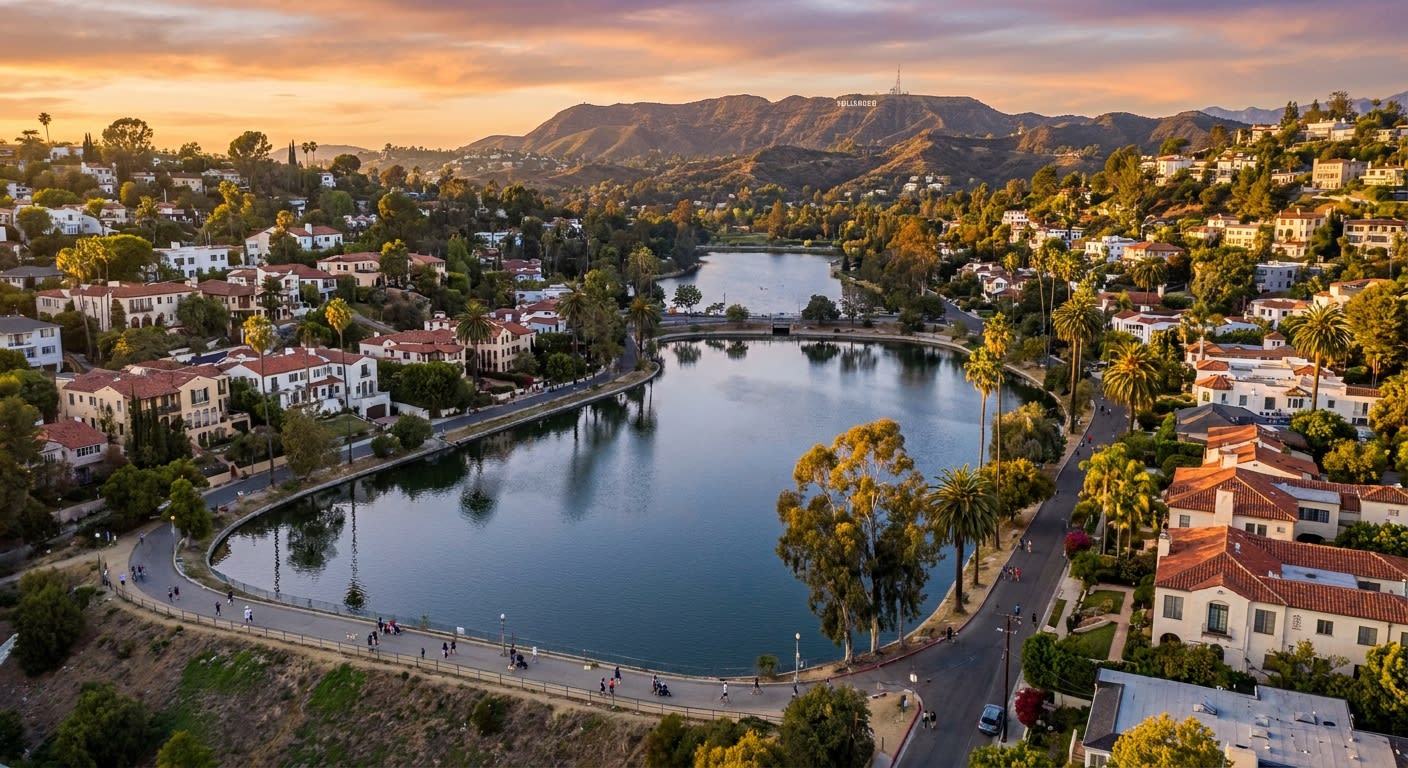
Silver Lake didn't become synonymous with LA's creative class by accident. The neighborhood's geography—those steep hills rising from the reservoir, the winding streets that dead-end into staircases, the mix of architectural styles from different eras—creates the kind of visual character you don't find in flatter, more grid-planned parts of the city. I've moved clients into mid-century modern homes perched on stilts, 1920s cottages with overgrown gardens, and sleek new construction squeezed onto impossibly narrow lots.
The creative economy here is tangible. Within a ten-minute walk of the reservoir, you'll pass recording studios, design firms, production companies, and more independent coffee shops than any neighborhood reasonably needs. Sunset Boulevard cuts through the southern edge, lined with vintage shops, wine bars, and restaurants that still feel like discoveries even after they've been reviewed everywhere. The neighborhood's identity has shifted over the decades—from working-class immigrant community to bohemian artist enclave to tech-adjacent creative professional haven—but it's never lost its essential weirdness.
That said, Silver Lake in 2026 isn't the scrappy neighborhood it was even a decade ago. The median household income has climbed steadily, and the types of businesses opening here reflect that shift. You're as likely to see a $200 tasting menu restaurant as a dive bar now. Whether that's a feature or a bug depends on what you're looking for.
Understanding Moving to Silver Lake Costs in 2026
Let's talk numbers. Moving to Silver Lake costs more than most LA neighborhoods, and that premium shows up in both housing and the logistics of the move itself. As of 2026, you're looking at median rents around $2,800-$3,200 for a one-bedroom apartment, though that varies wildly based on the specific street and building condition. Two-bedrooms typically run $3,500-$4,500, and if you want a house with outdoor space, expect to start conversations at $5,000 and go up from there.
For purchasing, median home prices in Silver Lake hover around $1.4 million as of early 2026. That gets you a modest bungalow or a condo with decent square footage. The iconic hillside homes with views and architectural pedigree? Those start well north of $2 million and can push past $4 million for truly exceptional properties.
The moving costs themselves also run higher here than in many parts of LA. Why? Topography and access. Silver Lake's streets weren't designed for modern moving trucks. I regularly encounter moves where we can't park within 100 feet of the front door, where there are 40+ steps from curb to entry, or where the only access is through a narrow alley that requires a smaller shuttle vehicle. A straightforward one-bedroom move in a flat neighborhood might take 3-4 hours; the same volume in Silver Lake often takes 5-6 hours due to these access challenges.
For a typical Silver Lake move in 2026, budget roughly $600-$1,200 for a one-bedroom, $900-$1,800 for a two-bedroom, and $1,500-$3,000+ for a larger home, depending on access difficulty and distance. My team at Green Moving LA starts at $129/hour, and I always recommend getting a detailed walk-through quote for any Silver Lake address because the variables matter so much here.
The Micro-Neighborhoods: Where Exactly Should You Live?
Silver Lake isn't monolithic. The neighborhood contains distinct micro-areas, each with different vibes, price points, and practical considerations. Here's how I break it down for clients:
The Reservoir Loop: The addresses closest to the reservoir—along Silver Lake Boulevard, Tesla Avenue, and the streets climbing up from the water—command the highest premiums. You're paying for walkability to the 2.2-mile loop trail, proximity to the dog park, and often for views. The tradeoff? Parking is brutal on weekends when half of LA shows up to walk the reservoir, and street cleaning enforcement is aggressive.
The Sunset Junction Area: Centered around the intersection of Sunset and Santa Monica Boulevards, this is Silver Lake's commercial heart. Living here means you're steps from restaurants, bars, and the weekly farmers market. I've moved many clients into the apartment buildings along Sanborn Avenue and Maltman Avenue—good walkability, but street noise is a factor and those older buildings often lack parking.
The Hills Above Rowena: The streets climbing north from Rowena Avenue—Angus Street, Waverly Drive, the area around Micheltorena—offer more residential quiet and often better parking situations. You'll need a car to reach most amenities, but homes here tend to have actual yards and more privacy. Many of my favorite architectural gems hide in these hills.
Moreno Highlands: The southeastern section, bordering Echo Park, has a slightly different character—more working-class roots still visible, more multi-family housing, lower price points. It's where I often direct clients who want a Silver Lake address without the full Silver Lake premium.
📦 Moving into one of Silver Lake's tricky hillside homes? Our white glove service handles the logistics so you don't have to stress about stairs and narrow access. Call (949) 266-9445 or get a free quote.
The Parking Reality Nobody Warns You About
I need to be blunt about parking in Silver Lake because it's the number one complaint I hear from new residents. If you're coming from a neighborhood with driveways and garages, the adjustment can be rough.
Most of the older apartment buildings in Silver Lake were built when car ownership was less universal. A building with eight units might have four parking spots—or none at all. Street parking is technically available, but between permit restrictions, street cleaning schedules, and the sheer density of residents competing for curb space, finding a spot near your home on a weekend evening can take 20-30 minutes of circling.
Silver Lake operates under the city's Preferential Parking District program. As a resident, you can obtain permits that allow you to park longer than posted limits on your specific block, but this doesn't guarantee availability. The permits cost around $35-$40 annually as of 2026, and you'll need to provide proof of residence and vehicle registration.
My advice? Prioritize housing with guaranteed parking even if it costs more. The stress savings are worth it. If that's not feasible, familiarize yourself with the streets that have less restrictive parking—generally the quieter residential blocks away from commercial corridors. And if you're moving in without a car, Silver Lake is more viable than many LA neighborhoods for car-free living, with decent bus connections and bike-friendly streets (if you don't mind hills).
Navigating Move Day: Street-Level Logistics
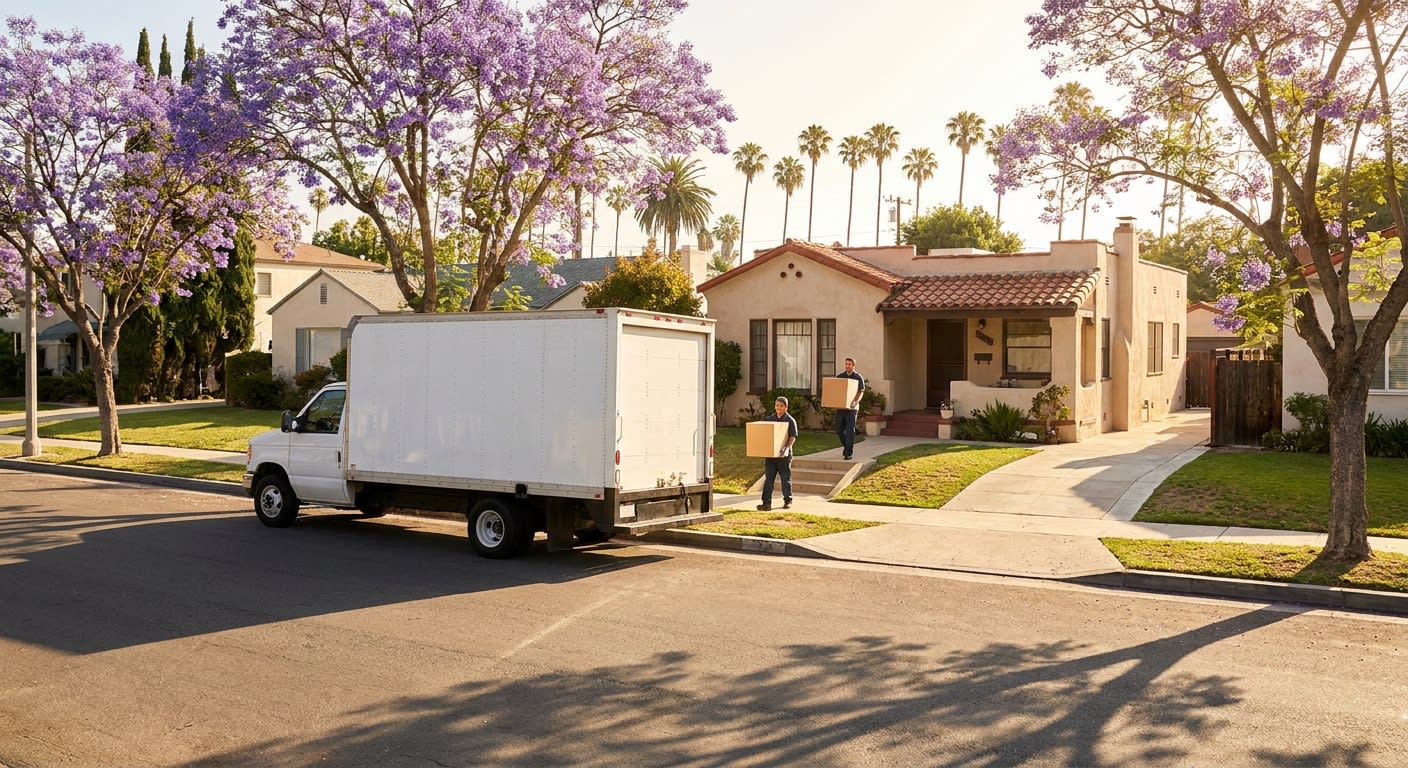
Here's where my job gets interesting. Silver Lake moves require more planning than most because the neighborhood wasn't built for 26-foot moving trucks. Let me share what I've learned from hundreds of moves in these hills.
First, know your street width. Many Silver Lake residential streets are technically two-way but functionally one-lane when cars are parked on both sides. Streets like Redesdale Avenue, Cove Avenue, and parts of Griffith Park Boulevard require careful maneuvering. If we need to block traffic, even briefly, I always tell my crew to have someone directing cars—neighbors in Silver Lake are passionate about their access.
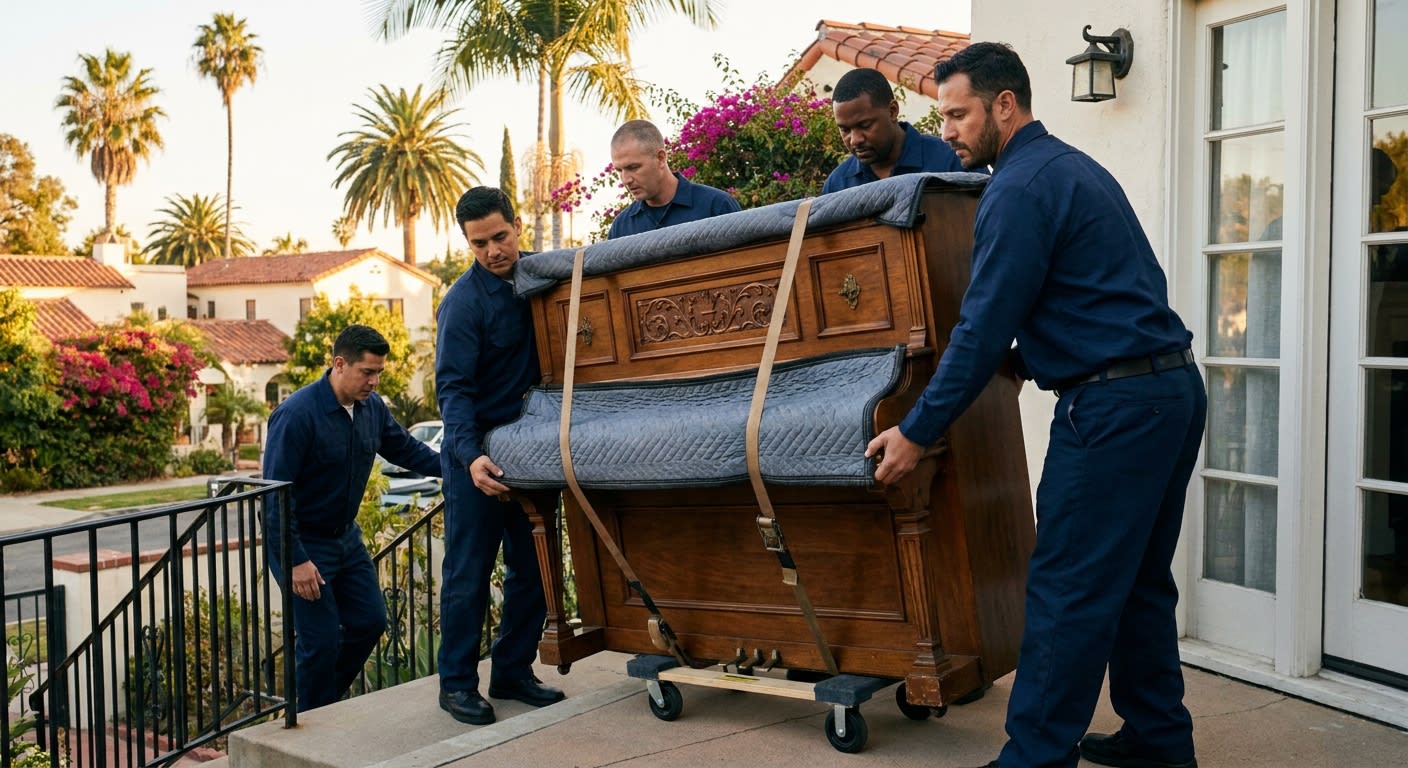
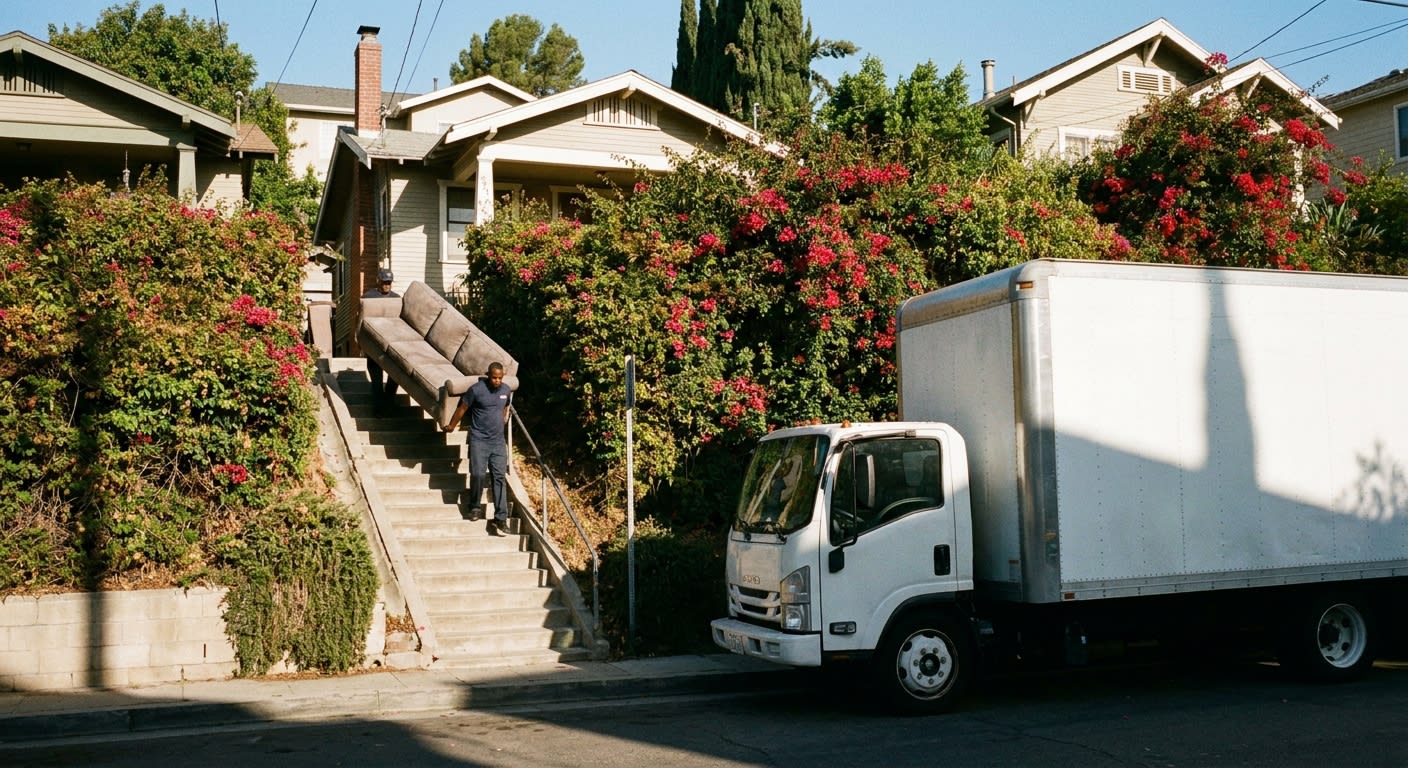
Second, stairs are everywhere. Not just inside buildings, but the public staircases connecting streets at different elevations. The Mattachine Steps, the Sunset Stairs, the Music Box Steps—Silver Lake has dozens of these pedestrian passages. Sometimes they're the fastest route from truck to front door. My team has used hand trucks and dollies on these staircases more times than I can count.
Third, many Silver Lake homes have unusual access points. Garages that face different streets than front doors. Entry through back gardens. Shared driveways with neighbors who need advance notice. I always do a thorough walk-through before move day to map the actual path furniture will take, which sometimes differs dramatically from what addresses suggest.
If you're considering DIY versus professional movers, Silver Lake is one neighborhood where I genuinely recommend pros. The logistics are too quirky, and the risk of damaging your stuff—or your landlord's property—while wrestling furniture up narrow hillside staircases is real.
What You'll Actually Pay to Live Here Monthly
Beyond rent or mortgage, Silver Lake has cost-of-living considerations worth knowing. Groceries run higher than LA averages because the neighborhood lacks big-box grocery stores. The closest traditional supermarket options are the Trader Joe's in Atwater Village or the Vons on Hyperion. Within Silver Lake proper, you're mostly looking at smaller specialty grocers and the Sunday farmers market, which is wonderful but pricey.
Dining out adds up fast. Silver Lake restaurants skew toward the $20-40 per entrée range, with plenty of options pushing higher. The taco trucks and casual spots along Sunset keep things more affordable for everyday eating, but this isn't a cheap-eats neighborhood overall.
Utilities in Silver Lake's older homes can surprise people. Many of those charming 1920s bungalows have single-pane windows and minimal insulation. I've had clients see winter heating bills jump significantly compared to newer construction. If you're renting, ask about average utility costs before signing.
Car insurance rates in Silver Lake run roughly 10-15% higher than LA County averages as of 2026, reflecting the density and auto theft statistics. Budget around $1,800-$2,400 annually for standard coverage, though this varies by your driving history and vehicle.
Schools, Families, and the Kid Question
Silver Lake has shifted from primarily young-professional to more family-friendly over the past decade, though it's still not primarily a family neighborhood. The local public elementary, Ivanhoe Elementary on Griffith Park Boulevard, has a strong reputation and an active parent community. Micheltorena Elementary, serving the northern section, also draws dedicated families.
For middle and high school, the picture gets more complicated. Many Silver Lake families opt for magnet programs, charter schools, or private options rather than the local public middle and high schools. The private school scene includes options like the Waverly School and, slightly outside the neighborhood, numerous choices in Los Feliz and the Hollywood Hills.
Parks for kids are somewhat limited within Silver Lake proper. The reservoir has a playground and the dog park, and the recreation center offers programs, but you won't find large open green spaces. Families often drive to Griffith Park for more room to run around.
For families with kids, my colleague Julia covers the broader considerations in her moving with kids guide—worth reading before making the leap.
Settling In: Your First Month in Silver Lake
Once the boxes are unpacked, here's how to actually become part of the neighborhood:
Walk the reservoir at different times. The loop trail has completely different characters at 6am (serious runners, dog walkers), mid-morning (stroller brigades, remote workers on calls), and sunset (couples, photographers, everyone). Find your time. The meadow on the east side is where people actually hang out—bring a blanket.
Hit the Silver Lake Farmers Market on Saturday mornings. It sets up at the south end of the reservoir parking lot, roughly 8am-1pm. Beyond produce, it's a neighborhood social event. The tamale vendor and the mushroom stand are local favorites. Get there early if you want the good pastries.
Learn the staircase shortcuts. Silver Lake's public staircases aren't just architectural quirks—they're genuinely useful for getting around on foot. The stairs connecting Micheltorena to Sunset, for instance, can save you ten minutes versus walking around by street. Many longtime residents use these daily.
Introduce yourself to immediate neighbors quickly. Silver Lake has a village mentality despite being in the middle of LA. People look out for each other's packages, warn about street cleaning tickets, and share information about break-ins or coyote sightings. A quick introduction when you're moving in goes a long way.
The Honest Downsides of Silver Lake Living
I'd be doing you a disservice if I didn't mention what frustrates people about Silver Lake, especially newcomers:
The commute can be punishing. Silver Lake sits in a geographic pocket that makes freeway access awkward in every direction. Getting to the 101 or the 5 involves surface streets that bottleneck badly during rush hour. If you work on the Westside, expect 45-60 minute commutes minimum, often longer. Working from home or having a commute east (downtown, Pasadena) makes Silver Lake more practical.
Noise is an issue in many spots. The neighborhood's density, the bars and restaurants, and the reality that sound carries strangely in the hills means you might hear your neighbors more than expected. I've had clients move out of otherwise perfect apartments because of chronic noise issues.
The social scene can feel insular. Silver Lake has a reputation for cliquishness, and while I think that's somewhat overstated, breaking into established social circles takes effort. The neighborhood rewards people who show up consistently at the same coffee shops, parks, and community events.
Property crime, especially car break-ins and package theft, remains a persistent annoyance. It's not dramatically worse than other dense LA neighborhoods, but it's not nothing. Get a locking mailbox and never leave valuables visible in your car.
Moving Day Tips Specific to Silver Lake
Based on the moves I've done here, here's my tactical advice:
Book your move for a weekday if at all possible. Saturday and Sunday bring reservoir visitors, brunch crowds, and significantly worse parking and traffic. Tuesday through Thursday mornings are ideal.
Secure a parking spot for the moving truck in advance. Many Silver Lake buildings have loading zones or guest spots that need to be reserved through property management. On streets with permit parking, you can request temporary no-parking signs through the LA DOT, but this requires advance planning.
Measure everything. Silver Lake homes have notoriously quirky layouts—narrow doorways, tight stairwells, oddly placed support beams. I've seen moves stall because a sofa wouldn't fit through a 28-inch hallway. My colleague Marcus handles challenging furniture moves and has written about moving antiques and large pieces—relevant if you're bringing heirloom furniture into a 1920s bungalow.
Budget time for parking the truck, not just the move itself. Finding a legal spot close to your door can take 30+ minutes in the wrong circumstances.
Is Silver Lake Right for You?
After years of helping people move in and out of this neighborhood, I've developed a sense of who thrives here and who ends up frustrated.
Silver Lake works well for: Creative professionals who value aesthetic environment over square footage. People who work from home or have short commutes east. Folks who genuinely enjoy walking and don't mind hills. Dog owners (the reservoir loop is fantastic). Anyone who prioritizes food, coffee, and nightlife access.
Silver Lake is harder for: Families needing space and good public middle/high schools. People with Westside jobs. Anyone requiring reliable street parking. Those who prefer quiet suburban environments. Budget-conscious renters who need space.
The neighborhood asks a lot in terms of cost and inconvenience, but it gives back something harder to quantify—a sense of place that's increasingly rare in LA. When my podcast-producer client texted me after her first week in that Micheltorena Street duplex, she said something that stuck with me: "I feel like I actually live somewhere now, not just reside somewhere." That's what Silver Lake offers, for those willing to pay for it.
Frequently Asked Questions
What's the average cost of renting a one-bedroom in Silver Lake in 2026?
One-bedroom apartments in Silver Lake currently run $2,800-$3,200 per month for decent units in reasonable condition. Newer construction or renovated units with parking can push above $3,500. The lower end of the market, around $2,400-$2,600, exists but typically involves older buildings without parking or laundry.
How difficult is it to find parking in Silver Lake?
Parking is genuinely challenging, especially near the reservoir and Sunset Junction. Residential permit zones help residents somewhat, but spots remain competitive, particularly evenings and weekends. I strongly recommend prioritizing apartments or homes with guaranteed parking if you own a car.
Is Silver Lake safe for families?
Silver Lake is generally safe, with crime rates comparable to other urban LA neighborhoods. Property crime (car break-ins, package theft) is the main concern. Violent crime is relatively low. Many families live here happily, particularly those with children in the elementary school age range who can attend Ivanhoe Elementary.
What makes moving in Silver Lake more expensive than other neighborhoods?
The steep hills, narrow streets, limited truck access, and abundance of stairs all extend move times significantly. A volume of belongings that might take four hours to move in a flat neighborhood often takes six or more hours in Silver Lake due to access challenges, which increases labor costs accordingly.
Can I live in Silver Lake without a car?
It's more viable than many LA neighborhoods but still challenging. Bus lines along Sunset Boulevard and Silver Lake Boulevard connect to downtown and Hollywood. The hills make biking strenuous. Most car-free residents supplement with rideshare services and occasional car rentals for errands requiring a vehicle.
When is the best time of year to move to Silver Lake?
Fall through early spring offers the best combination of weather and availability. Summer, particularly June through August, sees the most competition for rentals and the highest moving demand. January and February often have slightly better rental deals as turnover slows.
Ready to make your move to Silver Lake? Green Moving LA serves all of Los Angeles and Orange County with 1% of every move donated to California environmental causes. Call (949) 266-9445, email sales@greenmovingla.com, or get your free quote. Licensed and insured—CAL-T 201327.