How to Move a Sculpture in Los Angeles Safely: Expert Guide
- Understanding Your Sculpture's Specific Requirements
- Soft-Wrap: Making the Right Choice
- Weight Distribution and Lifting Techniques
- LA-Specific Logistics: Access, Permits, and Timing
- Climate Considerations for Southern California
- Insurance and Valuation: Protecting Your Investment
- Working with Galleries, Museums, and Artists
- Common Mistakes I See (and How to Avoid Them)
- Cost Factors for Sculpture Moving in Los Angeles
- FAQ
Three weeks ago, I got a call from a collector in Bel Air who needed to move a 400-pound Botero bronze from his hillside estate to a new gallery space in the Arts District. The piece had been in his private garden for twelve years, and the patina had become part of its character. One wrong move, one scratch from an improper lifting strap, and we'd damage something irreplaceable. That job took six hours of planning before we even touched the sculpture—and it arrived without a single mark.
I'm Marcus, Head of Operations at Green Moving LA, and I've been handling specialty moves for over eight years. Moving sculpture in Los Angeles presents challenges you won't find anywhere else: narrow hillside driveways, buildings with no freight elevators, summer heat that can warp certain materials, and traffic that turns a 20-mile transport into a three-hour ordeal. I've moved everything from 50-pound ceramic pieces to 2,000-pound steel installations, and I've learned that sculpture moving is equal parts logistics, materials science, and old-fashioned problem-solving.
Understanding Your Sculpture's Specific Requirements
Before I even think about trucks or crates, I need to understand exactly what I'm moving. Every sculpture has its own vulnerabilities, and treating a bronze the same way you'd treat a marble is a recipe for disaster.
Bronze sculptures are relatively forgiving—they're durable, they can handle temperature fluctuations, and their biggest risk is surface scratching or denting. I always use felt-lined straps and custom padding to protect patinas. Marble and stone are a different story entirely. They're heavy, brittle, and can crack from internal stress if you lift them incorrectly. I've seen movers grab a marble figure by its extended arm, not realizing they were putting 300 pounds of torque on a joint that was never designed to bear weight.
Glass and resin sculptures require climate consideration—direct sunlight in a truck during an LA summer can reach 140°F, which is enough to warp acrylic or stress glass. Wood sculptures can crack if humidity drops too quickly, which happens when you move them from a climate-controlled gallery to a standard moving truck. Mixed-media pieces are the trickiest because each component has different needs. I once moved a kinetic sculpture with steel, glass, and fabric elements—we had to stabilize the moving parts, protect the glass from vibration, and keep the fabric from catching on anything during transport.
My first step with any sculpture move is a detailed assessment: materials, weight distribution, attachment points, existing damage, and environmental sensitivities. I document everything with photos because if something goes wrong, you need to prove whether damage was pre-existing or occurred during transport.
Custom Crating vs. Soft-Wrap: Making the Right Choice
One of the most common questions I get is whether a sculpture needs a custom crate or if soft-wrapping is sufficient. The answer depends on distance, value, fragility, and transport conditions.
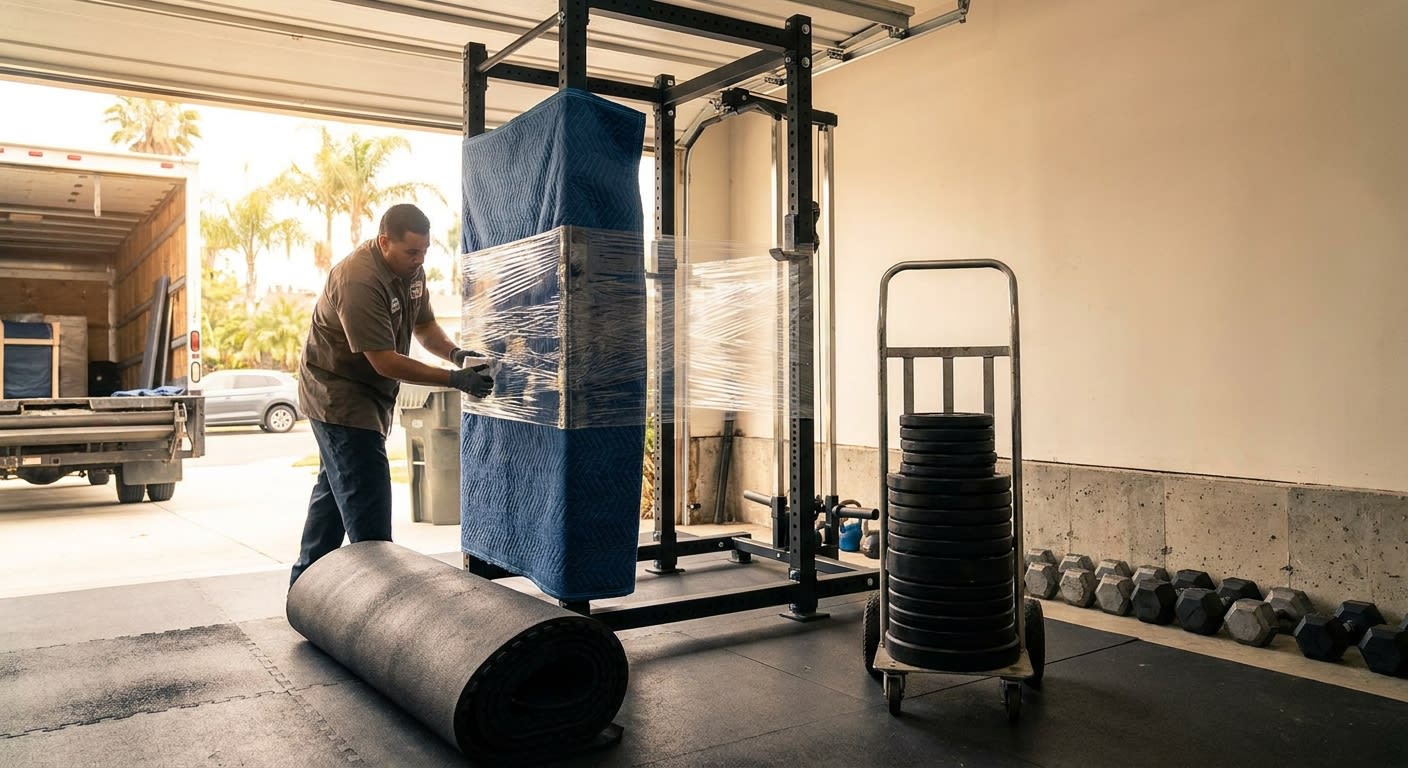
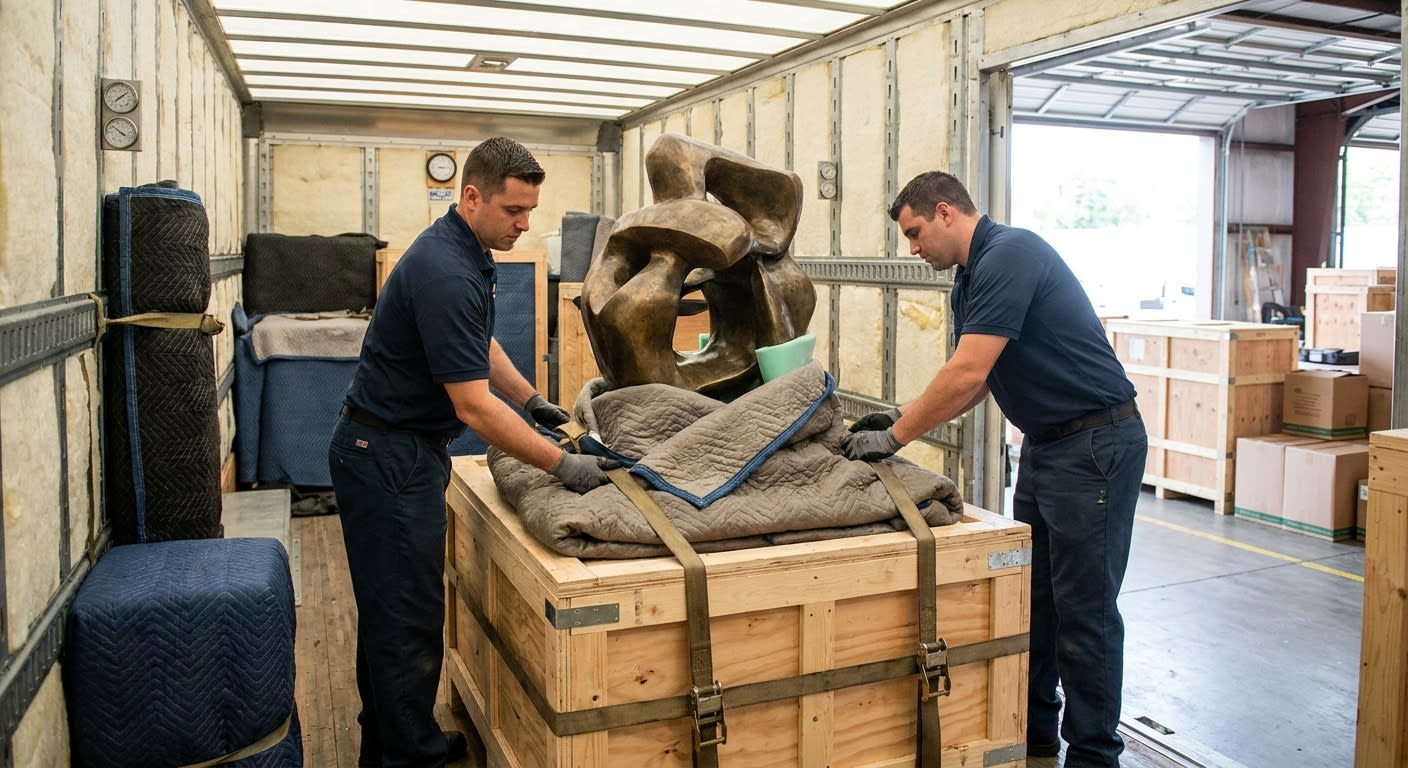
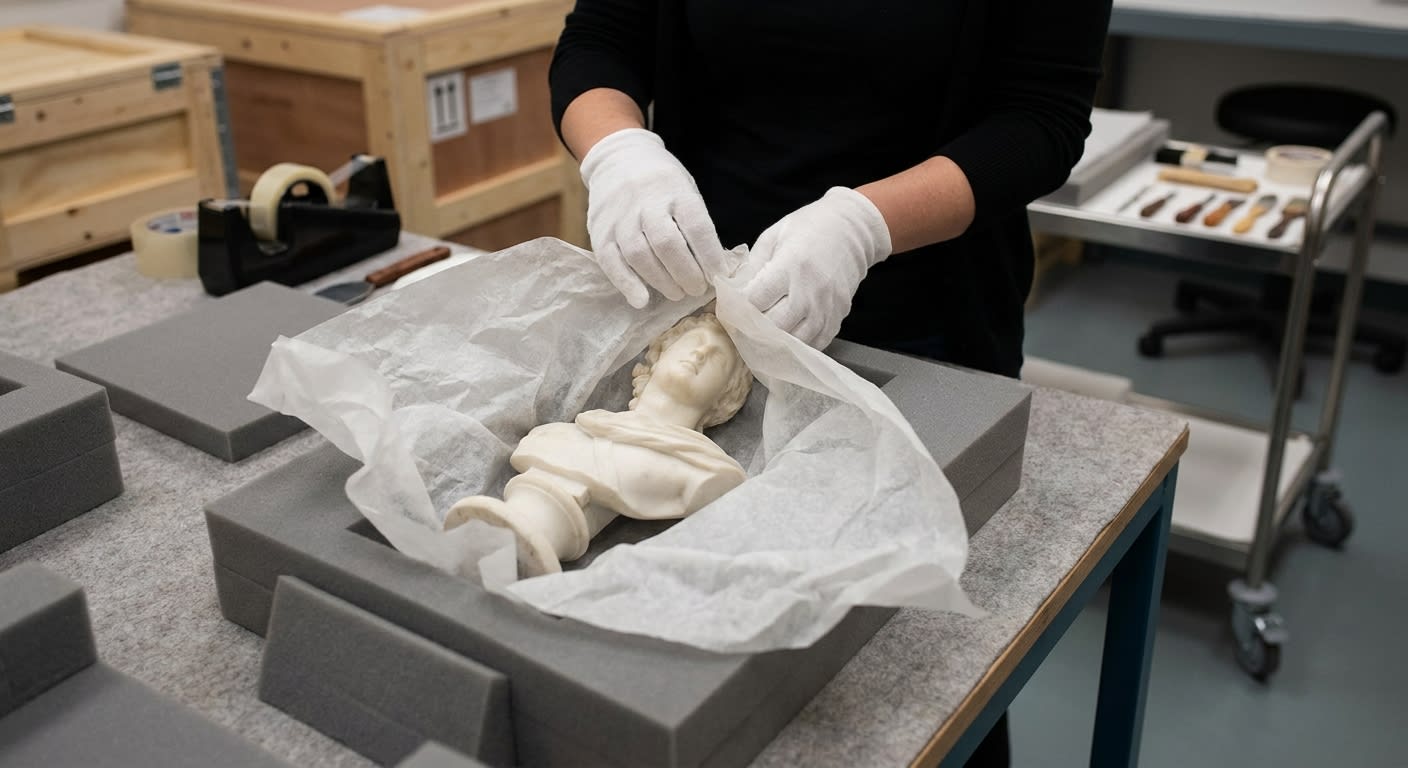
Soft-wrapping works for local moves of durable materials when the sculpture will remain upright and stable. I'm talking about bronze pieces under 200 pounds, stable bases, moves under 30 miles with minimal loading and unloading. We use multiple layers: acid-free tissue against the surface, foam padding for cushioning, moving blankets for impact protection, and stretch wrap to hold everything together. The key is never letting tape or wrap touch the sculpture's surface directly—adhesive residue can damage finishes.
Custom crating becomes necessary when you're dealing with fragile materials, long distances, multiple handling points, or pieces with complex geometries. A proper museum-quality crate includes a rigid outer shell (typically plywood), internal bracing customized to the sculpture's shape, foam inserts that cradle the piece without pressure points, and climate buffers if needed. For a recent move of a glass installation to a collector's home in Palm Springs, we built a crate with temperature-stable foam and included silica gel packets to manage humidity during the desert transit.
Crating adds cost—anywhere from $500 to $5,000 depending on size and complexity—but for valuable or fragile pieces, it's non-negotiable. I've seen collectors try to save money by soft-wrapping a $50,000 ceramic, only to file an insurance claim two weeks later. The crate would've cost less than their deductible.
Weight Distribution and Lifting Techniques
Here's where my crew's experience really matters. A 300-pound sculpture isn't like a 300-pound safe—the weight isn't evenly distributed, and the shape often makes standard lifting equipment useless.
The first rule is identifying the center of gravity. Many sculptures are top-heavy, asymmetrical, or have weight concentrated in unexpected places. Before we lift anything, I have my team rock the piece gently to feel where the weight wants to go. That tells us where to position our hands, straps, and equipment.
For pieces under 200 pounds with stable bases, we typically use a four-person lift with felt-lined straps. Two people on the base, two spotting and guiding. For heavier pieces, we bring in equipment: furniture dollies with pneumatic tires (standard hard wheels can crack under concentrated weight), A-frame dollies for flat-backed pieces, and hydraulic lifts for anything over 500 pounds.
Gantry systems become necessary for truly massive installations. Last year we moved a 1,800-pound steel sculpture from a Malibu estate—we had to bring in a portable gantry crane, position it over the piece, and lift it onto a flatbed. That job required permits, a structural engineer's sign-off on the floor where we placed the gantry, and a police escort for the oversized load. But the sculpture made it to the Bergamot Station gallery without a scratch.
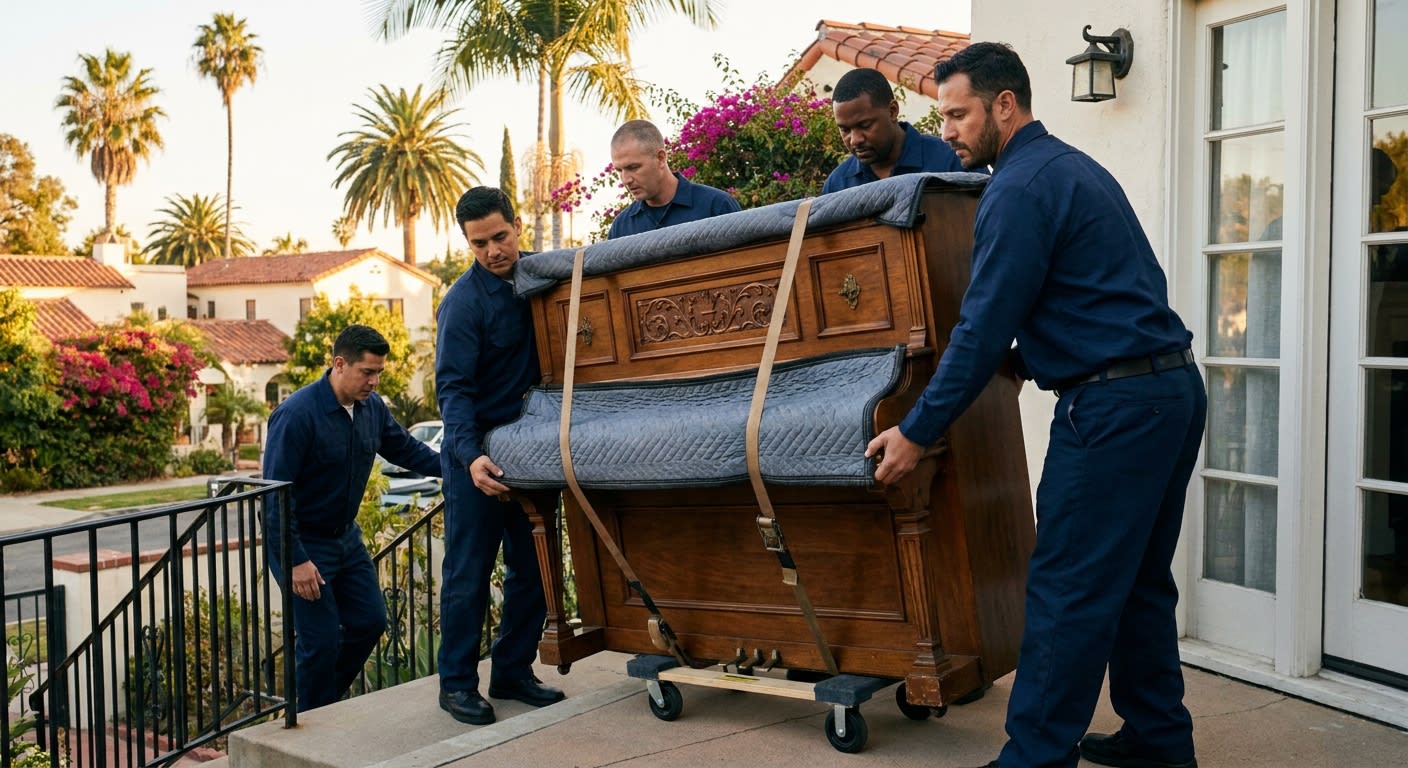
One technique I always emphasize: never rush the lift. I've watched inexperienced movers try to muscle through a heavy piece, lose their grip, and drop it. My crew takes as long as needed to position, balance, and secure before we move an inch. As I covered in my guide to piano moving in Los Angeles, heavy items demand patience and proper technique over speed.
🎨 Moving valuable artwork or sculptures? Our white glove services include custom crating, climate-controlled transport, and specialized handling. Call (949) 266-9445 or get a free quote.
LA-Specific Logistics: Access, Permits, and Timing
Moving sculpture in Los Angeles comes with challenges that don't exist in most cities. The geography alone creates problems—hillside homes with single-lane access roads, historic buildings with narrow doorways, high-rises with freight elevator weight limits.
Access assessment is critical. Before I quote any sculpture move, I send someone to both locations to measure doorways, check elevator dimensions, assess stairwells, and evaluate parking. A 48-inch-wide sculpture won't fit through a 36-inch door, no matter how skilled my crew is. I've had to remove doors from hinges, temporarily disassemble railings, and once we rigged a piece through a second-floor window because the internal staircase had a 90-degree turn the sculpture couldn't navigate.
Permits become necessary for oversized loads, street closures, or crane operations. In LA, you'll need permits from the Department of Transportation for any load exceeding standard dimensions, and individual neighborhoods have their own requirements. Moving a large outdoor sculpture from a Beverly Hills residence might require coordination with the city, HOA approval, and temporary no-parking signs on the street. I budget at least two weeks for permit processing on complex moves.
Timing matters more than people realize. LA traffic can turn a 15-mile move into a two-hour nightmare, and that's two extra hours of vibration, temperature exposure, and risk. I schedule sculpture moves for early morning departures—leaving by 6 AM to avoid rush hour—and I always build buffer time into the schedule. Rushing leads to mistakes, and mistakes with sculpture are expensive.
Climate Considerations for Southern California
Our Mediterranean climate is generally sculpture-friendly, but summer presents real challenges. Standard moving trucks can exceed 140°F inside during July and August, which is dangerous for temperature-sensitive materials.
For moves involving wax, resin, acrylic, or mixed-media pieces with adhesive components, I insist on climate-controlled transport during summer months. Our climate-controlled trucks maintain temperatures between 65-75°F regardless of outside conditions. The upcharge is typically $200-400 for local moves, but it's essential for protecting heat-sensitive work.
Humidity is less of a concern in LA than in coastal cities like Miami, but it still matters for wood sculptures and certain mixed-media pieces. Moving a sculpture from an air-conditioned gallery to outdoor installation requires acclimation time—sudden humidity changes can cause wood to crack or warp. I typically recommend a 24-48 hour adjustment period with the sculpture in a transitional environment.
UV exposure during loading and unloading can fade certain pigments or degrade materials. For extended outdoor work (setting up a large installation, for example), I use UV-protective covers and schedule work for early morning or late afternoon when sun angles are less intense.
Insurance and Valuation: Protecting Your Investment
This is where many collectors make costly mistakes. Standard moving insurance—released value coverage—only provides $0.60 per pound of protection. Your 100-pound bronze worth $75,000 would be covered for exactly $60 under basic coverage. That's not a typo.
For valuable sculptures, you need full replacement value coverage or a separate fine art policy. At Green Moving LA, we offer full replacement value protection based on appraised value, but collectors with significant pieces should also coordinate with their personal insurance providers. Many homeowner's policies include art coverage that extends to transit, but you'll need to verify limits and conditions.
Documentation is your protection. Before we touch any sculpture, I photograph it from multiple angles, noting any existing damage, wear patterns, or areas of concern. Both parties sign off on the condition report. This protects the collector if damage occurs during transport, and it protects us from claims about pre-existing issues.
Appraisals should be current—insurance companies can dispute claims if your appraisal is more than two years old. I recommend collectors update appraisals before any major move, especially for pieces that have appreciated significantly.
Working with Galleries, Museums, and Artists
Moving sculptures for institutions involves additional protocols that private collectors might not expect. Galleries and museums typically have specific handling requirements, detailed condition reporting standards, and chain-of-custody documentation that must be maintained throughout transport.
When I work with galleries in the Arts District or museums like LACMA or The Broad, I coordinate closely with their registrars. They'll provide handling instructions specific to each piece, and they'll often want to be present during packing and unpacking. This isn't micromanagement—it's professionalism, and I welcome their involvement because it ensures everyone's aligned on expectations.
Artist studios present different challenges. I've moved pieces directly from fabrication to installation, which means handling work that's never been transported before. The artist knows the piece's vulnerabilities better than anyone, so I always request a consultation before the move. They'll tell me which joints are structural, which surfaces are most fragile, and how the piece should be oriented during transport.
One thing I appreciate about working with Green Moving LA's approach: 1% of every move goes to California environmental causes, which resonates with artists and institutions who care about sustainability. Several galleries have specifically mentioned this when recommending us to collectors.
Common Mistakes I See (and How to Avoid Them)
After eight years of specialty moves, I've seen patterns in what goes wrong. Here are the mistakes I encounter most often:
Underestimating weight: Collectors often guess their sculpture weighs "around 100 pounds" when it's actually 300. This leads to undersized crews, wrong equipment, and dangerous situations. I always verify weight before the move date—if necessary, we'll bring a scale during the assessment.
Ignoring the base: The base is part of the sculpture. I've seen movers separate pieces from their bases to make transport easier, then damage the attachment points trying to reassemble. Unless the artist designed the piece for easy separation, the base stays attached.
DIY crating: YouTube makes crate-building look simple, but museum-quality crating requires understanding stress points, material compatibility, and proper cushioning ratios. A homemade crate that's too tight can crack a sculpture through pressure; one that's too loose allows movement that causes abrasion. If your piece is worth crating, it's worth professional crating.
Rushing the timeline: Sculpture moves shouldn't be scheduled for the same day as a showing or installation. Build in buffer time for unexpected complications. That Bel Air bronze I mentioned? We delivered it a full week before the gallery opening, giving time for final cleaning and positioning.
My colleague Sarah covers material-specific techniques in her guide to eco-friendly packing materials—many of these methods apply to sculpture protection as well.
Cost Factors for Sculpture Moving in Los Angeles
I'll be straightforward about pricing because transparency matters. Moving sculpture in Los Angeles costs more than standard moving, but the range varies dramatically based on several factors.
For a soft-wrapped local move of a durable sculpture under 200 pounds, you're looking at $300-600 including crew time, materials, and specialized equipment. This assumes standard access at both locations and a distance under 30 miles.
Custom crating adds $500-5,000 depending on size, complexity, and materials. A simple wooden crate for a 24-inch bronze might cost $500; a climate-controlled, shock-absorbing crate for a 6-foot glass installation could exceed $4,000.
Climate-controlled transport adds $200-400 for local moves. Extended crew time for difficult access (hillside homes, buildings without freight elevators) adds $150-300 per hour beyond standard estimates. Permit fees for oversized loads or street closures range from $100-500 depending on jurisdiction.
Green Moving LA starts at $129/hour for standard moves, with sculpture moves quoted individually based on assessment. I always provide written quotes after the on-site evaluation so there are no surprises on moving day.
FAQ
How far in advance should I schedule a sculpture move?
I recommend booking at least two weeks ahead for straightforward local moves, and four to six weeks for moves requiring custom crating or permits. High-demand seasons (summer months, month-end dates) book up quickly, and complex moves need time for proper planning and material fabrication.
Can outdoor sculptures be moved during any weather?
Rain creates safety hazards and can damage certain materials, so I won't move sculptures in wet conditions. Extreme heat requires climate-controlled transport for sensitive materials. I monitor weather forecasts and will reschedule if conditions pose risks to the artwork or my crew.
Do I need to be present during the move?
I strongly recommend it, especially for valuable pieces. You can verify proper handling, answer questions about the piece's vulnerabilities, and sign off on condition documentation at both locations. If you can't be present, designate a representative who has authority to make decisions.
What's the largest sculpture you can move?
We've handled pieces exceeding 2,000 pounds and 12 feet in any dimension, but these require significant planning, specialized equipment, and often permits. There's no hard limit—it's about whether we can safely access, lift, transport, and install the piece. I've turned down moves where building access made safe handling impossible.
How do you protect sculptures during loading and unloading?
We use padded lift gates, custom ramps for wheeled transport, and manual team lifts with felt-lined straps for direct handling. The truck interior is fully padded, and sculptures are secured with ratchet straps that don't contact the artwork directly. For fragile pieces, we use internal bracing to prevent any shifting during transit.
Should I get my sculpture appraised before moving?
Yes, especially if your current appraisal is more than two years old. A current appraisal establishes value for insurance purposes and ensures you have appropriate coverage during transit. It also provides documentation if you need to file a claim.
Ready to move your sculpture safely? Green Moving LA serves Los Angeles and Orange County with specialized art handling and white glove service. Call (949) 266-9445, email sales@greenmovingla.com, or get your free quote. Licensed and insured—CAL-T 201327.