Best Packing Boxes for Moving in LA: 2026 Comparison Guide
- Understanding Box Grades and Why They Matter
- Standard Moving Box Sizes: What You Actually Need
- Specialty Boxes Worth the Investment
- Best Moving Boxes LA: Where to Buy New in 2026
- Eco-Friendly Box Options in LA
- Finding Free Moving Boxes in Los Angeles
- How Many Boxes Do You Actually Need?
- Box Packing Techniques That Prevent Damage
- Timing Your Box Purchase in LA
- FAQ
Last Tuesday I packed up a three-bedroom home in Silver Lake for a client who'd collected boxes from every possible source—grocery stores, liquor shops, Amazon deliveries, and a few professional moving boxes her neighbor had left behind. By the time I finished, I'd watched two produce boxes collapse under the weight of books, a warped Amazon box fail to close properly around her stand mixer, and a liquor store box leave her white bedding smelling faintly of cardboard and old wine. That single move reminded me why I'm so particular about what goes into my packing kit.
I'm Sarah, a Packing Specialist at Green Moving LA, and I've spent the last several years perfecting my packing methods across hundreds of moves throughout Los Angeles and Orange County. I've tested virtually every box type available in Southern California—from the free castoffs behind Trader Joe's to premium specialty containers—and I've developed strong opinions about what actually protects your belongings versus what just looks like it might work.
Understanding Box Grades and Why They Matter
Before I dive into specific recommendations, you need to understand that not all cardboard is created equal. The industry uses something called the Edge Crush Test (ECT) rating, which measures how much pressure a box can withstand before it starts to buckle. Most professional moving boxes carry an ECT rating between 32 and 44, while that Amazon box sitting in your garage probably rates around 23 to 29.
Here's what those numbers mean in practice: a 32 ECT box can safely hold around 65 pounds when stacked properly, while a standard shipping box might start crushing at half that weight. I've seen clients stack book boxes five high only to find the bottom boxes pancaked by moving day. The difference between a $2 moving box and a free shipping box isn't just durability—it's the difference between your grandmother's china arriving intact or arriving in pieces.
Single-wall versus double-wall construction also matters enormously. Single-wall boxes work fine for lightweight items like linens, pillows, and plastic kitchenware. But anything fragile, heavy, or valuable needs double-wall construction. I won't pack anything worth more than $200 in a single-wall box, period. The extra dollar or two per box is cheap insurance when you're protecting items that can't be replaced.
Standard Moving Box Sizes: What You Actually Need
Every move requires a mix of box sizes, and getting the ratio wrong is one of the most common mistakes I see. Based on my experience packing LA apartments and homes, here's the breakdown that works for most households:
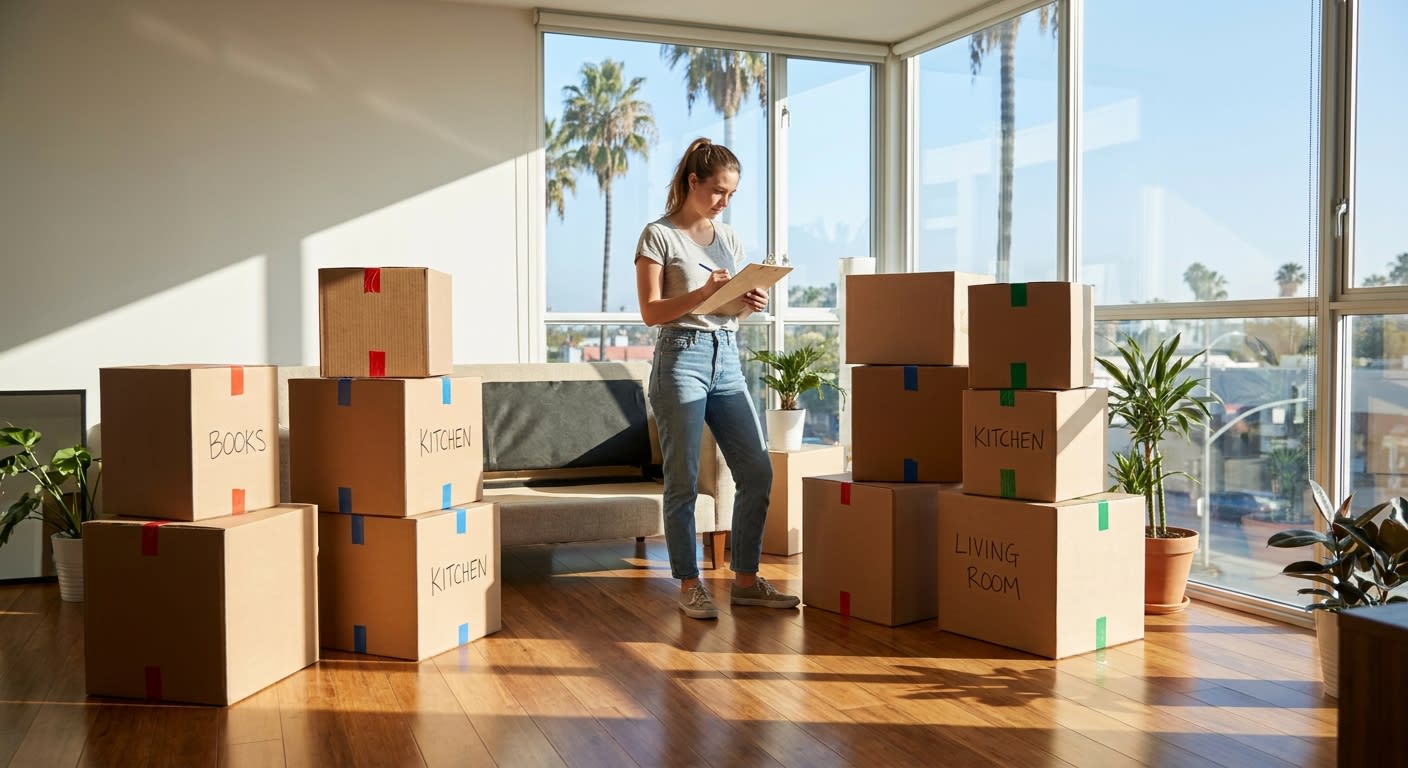
Small boxes (16" x 12" x 12" or 1.5 cubic feet): These are your workhorses for heavy items—books, canned goods, tools, small appliances. I typically use 15-20 of these for a one-bedroom apartment. The key is never filling them more than 50 pounds; your movers' backs will thank you, and the boxes won't blow out at the bottom.
Medium boxes (18" x 18" x 16" or 3 cubic feet): Perfect for kitchen items, toys, shoes, and smaller décor pieces. These are probably the most versatile size, and I usually recommend having 10-15 for a one-bedroom, 20-30 for a two-bedroom. They're large enough to be efficient but small enough that clients don't overfill them.
Large boxes (18" x 18" x 24" or 4.5 cubic feet): Reserved strictly for lightweight, bulky items—pillows, comforters, lampshades, stuffed animals. I can't tell you how many times I've seen clients fill these with books and then wonder why they can't lift them. A large box packed with books weighs about 100 pounds. Don't do it.
Extra-large boxes (24" x 18" x 24" or 6 cubic feet): I only recommend these for extremely light items like down comforters or large stuffed animals. Most households don't need them at all, and they're a pain to stack in the truck.
Specialty Boxes Worth the Investment
Standard boxes handle most items, but certain belongings require specialized containers. Here's where I see the biggest return on investment:
Dish pack boxes (dish barrels): These double-wall boxes with extra padding cells are non-negotiable for serious kitchenware. At roughly $8-12 each as of 2026, they're more expensive than standard boxes, but they're designed specifically for the weight and fragility of dishes. I pack approximately 12 place settings per dish barrel using my cell-divider method, and my breakage rate is essentially zero. If you're curious about my exact technique, I detailed it in my guide to packing a kitchen like a professional.
Wardrobe boxes: These tall boxes with built-in hanging bars let you transfer clothes directly from closet to box without removing hangers. At $10-15 each, they're a luxury, but they save enormous time on both ends of the move. I recommend one wardrobe box per two feet of closet space. For a typical LA apartment closet, that's 3-4 boxes.
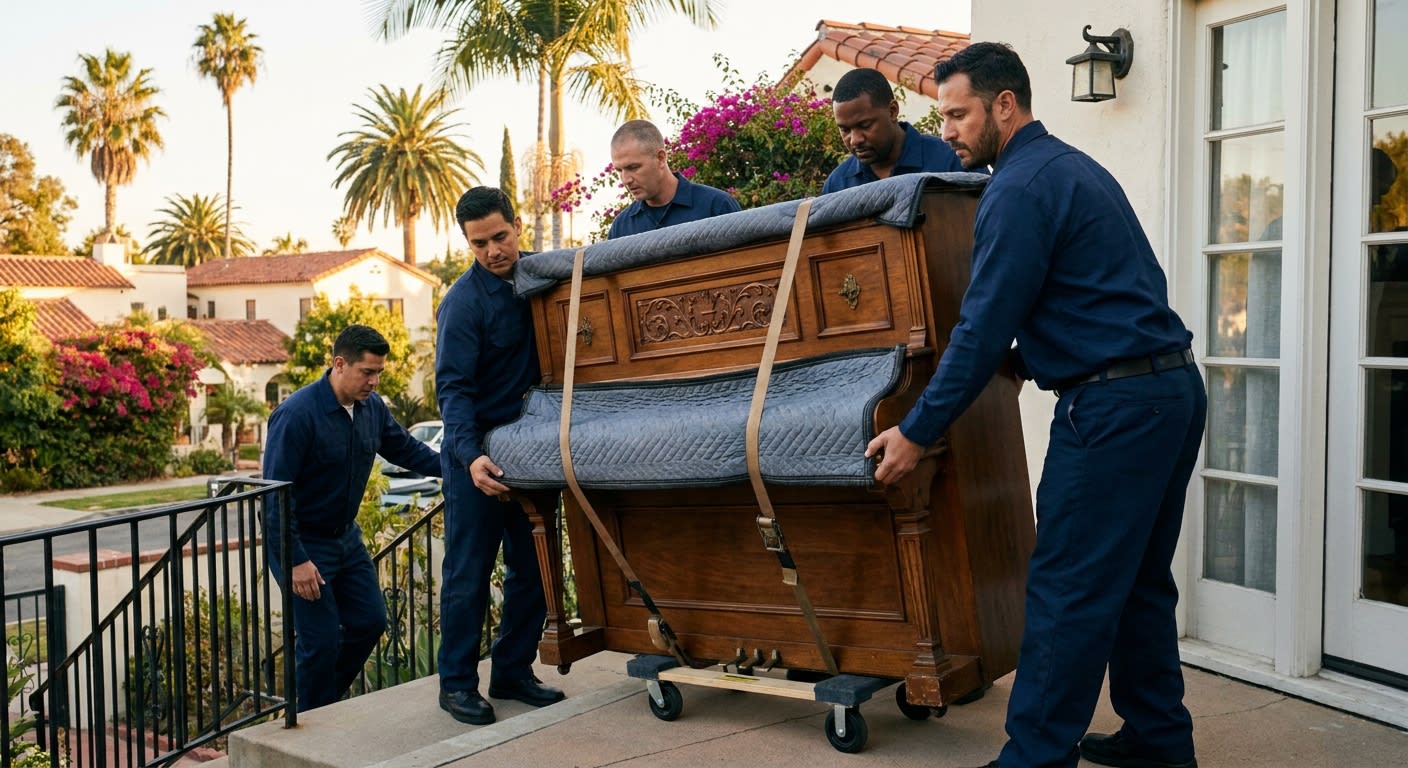
Mirror and picture boxes: These telescoping boxes adjust to fit frames of various sizes. I've found the adjustable versions from U-Haul and Home Depot work well for most artwork. For anything valuable, I add corner protectors and double-box using a larger carton with at least two inches of padding on all sides.
TV boxes: Modern flat-screens are surprisingly fragile, and their original packaging rarely survives. Purpose-built TV boxes with foam corners run $15-30 depending on screen size, but they're worth every penny for TVs over 40 inches. I've seen too many cracked screens from improper packing to recommend anything less.
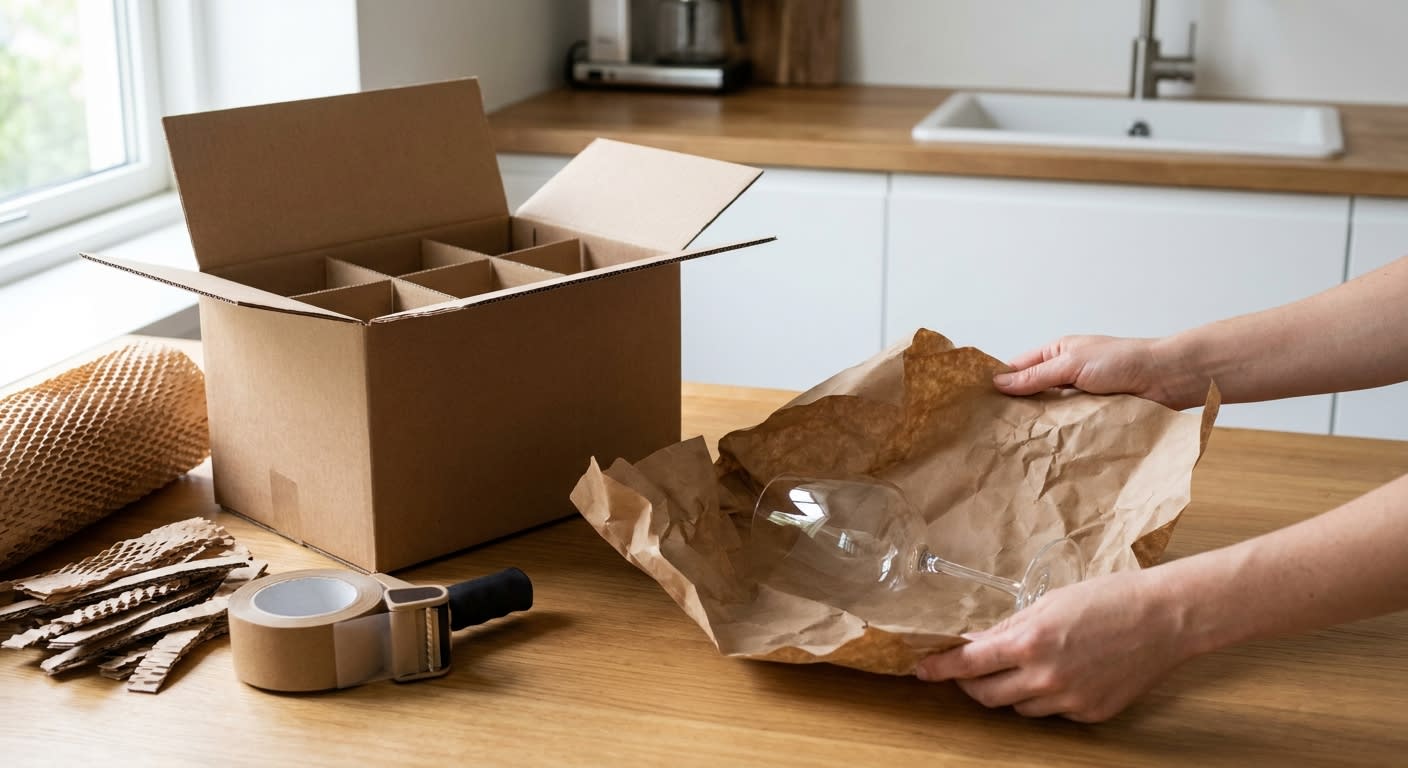
📦 Need help packing fragile items? Our professional packing team brings all the right materials and techniques. Call (949) 266-9445 or get a free quote today.
Best Moving Boxes LA: Where to Buy New in 2026
Los Angeles offers plenty of options for purchasing quality moving boxes, and prices have actually stabilized after the supply chain chaos of previous years. Here's my current ranking based on quality, price, and availability:
Home Depot: My go-to recommendation for most clients. Their medium moving boxes run about $2.50 each as of early 2026, and they stock a full range of specialty boxes. The quality is consistent—I've never had a Home Depot box fail on me. The Sunset Boulevard location in Hollywood and the one on La Cienega keep good inventory, though weekend availability can be spotty during peak moving season (May through September).
U-Haul: Slightly higher prices than Home Depot, but they offer a box buyback program that refunds you for unused boxes. Their specialty boxes, particularly the dish packs and wardrobe boxes, are excellent quality. The downside is that standalone U-Haul stores have limited inventory compared to Home Depot.
Costco Business Center: If you have a membership, this is your best value for bulk purchases. They sell moving boxes in bundles of 10-25 at significant discounts. The Costco Business Center in Hawthorne carries them consistently, while regular Costco warehouses typically don't stock moving supplies.
Amazon: Convenient for delivery, but I've found quality inconsistent. Some Amazon-branded moving boxes are excellent; others arrive pre-damaged or with lower ECT ratings than advertised. If you go this route, order well in advance and inspect boxes upon arrival.
Eco-Friendly Box Options in LA
This is something I care deeply about, and it's one reason I love working with Green Moving LA—we donate 1% of every move to California environmental causes, and our commitment to sustainability extends to our packing materials. Here's what's available for environmentally conscious movers:
Reusable plastic bins (rental): Companies like Bin It and ZippGo deliver sturdy plastic bins to your door, you pack, they pick up after your move. Prices run roughly $100-200 for a one-bedroom apartment's worth of bins for a week rental as of 2026. The bins are genuinely excellent—uniform sizes that stack perfectly, handles that won't tear, and zero waste. The downside is the rental timeframe can feel rushed if your move gets delayed.
Recycled cardboard boxes: Most major box manufacturers now offer 100% recycled cardboard options at minimal price premiums. Home Depot's "eco" line uses post-consumer recycled content and performs identically to virgin cardboard in my testing.
Biodegradable packing materials: I've switched almost entirely away from Styrofoam peanuts and plastic bubble wrap. Biodegradable packing peanuts dissolve in water, honeycomb paper wrap provides excellent cushioning, and recycled newsprint works perfectly for basic padding. My colleague covered these options extensively in our guide to eco-friendly packing materials.
Finding Free Moving Boxes in Los Angeles
I understand not everyone wants to spend $150-300 on boxes. Here's how to source free boxes without compromising too much on quality:
Liquor stores: These remain the gold standard for free boxes because they're designed to handle heavy glass bottles. The boxes from BevMo, Total Wine, and local liquor shops are usually sturdy, uniform sizes, and have convenient dividers. Hit them mid-week when they're restocking. The catch: they often smell like cardboard and old alcohol, so don't use them for linens or anything absorbent.
Bookstores: Barnes & Noble and independent bookshops receive shipments in heavy-duty boxes designed for book weight. These are perfect for—you guessed it—your own book collection. Call ahead and ask when they receive deliveries.
Buy Nothing groups: LA's Facebook Buy Nothing groups frequently have people giving away gently used moving boxes. The Venice, Santa Monica, and Silverlake groups seem particularly active. Quality varies wildly, so inspect before accepting.
Nextdoor: Same concept as Buy Nothing. I've had clients score complete sets of professional moving boxes from neighbors who'd just finished their own moves. Timing is everything—post your request right at the beginning of the month when most LA leases turn over.
What to avoid: Grocery store produce boxes (weak, often damp), Amazon boxes (inconsistent quality), and any box that's been sitting outside or shows water damage. Compromised cardboard fails exactly when you need it most—during loading and unloading.
How Many Boxes Do You Actually Need?
This is the question I get asked most often, and my answer always starts with "it depends." But after packing hundreds of LA homes, I've developed reliable estimates based on home size and lifestyle:
Studio apartment: 15-25 boxes total. Typically 10 small, 8 medium, 5 large, plus 1-2 specialty boxes for dishes and a wardrobe box if you have nice clothes.
One-bedroom apartment: 30-45 boxes. I usually pack these with 15 small, 15 medium, 10 large, 2 dish packs, and 2-3 wardrobe boxes.
Two-bedroom home: 50-70 boxes. The jump happens because second bedrooms are often offices, guest rooms, or storage spaces packed with stuff. Budget for 20 small, 25 medium, 15 large, 3-4 dish packs, and 4-5 wardrobe boxes.
Three-bedroom home: 80-120 boxes. At this point, you're likely looking at significant kitchen equipment, multiple closets, and years of accumulated belongings. If you're moving a three-bedroom in LA, I strongly recommend our professional packing services—the time savings alone justify the cost.
These estimates assume average amounts of stuff. If you're a minimalist, subtract 20%. If you're a collector or haven't purged in years, add 30%. My colleague Julia put together a comprehensive apartment moving checklist that can help you inventory your belongings before ordering supplies.
Box Packing Techniques That Prevent Damage
Having the right boxes means nothing if you pack them incorrectly. Here are the techniques I use on every job:
The bottom seal: Never just fold the bottom flaps and hope for the best. I use the H-tape method—one strip across the seam, then two strips forming an H shape across the bottom. This distributes weight across the entire base instead of concentrating it on the center seam.
The 50-pound rule: No box should exceed 50 pounds, regardless of size. I carry a small luggage scale on every job and weigh boxes as I pack. Your movers will work faster, the boxes won't fail, and you'll be able to move boxes yourself if needed.
Fill every gap: Items shift during transport, and shifting causes damage. I pack crumpled paper, towels, or packing peanuts into every void. The box should feel solid when you shake it—no movement, no rattling.
Heavy on bottom, light on top: This applies both within individual boxes and when stacking boxes in the truck. Books go at the bottom of a box, picture frames go on top. Small heavy boxes go at the bottom of a stack, large light boxes go on top.
Label on multiple sides: I label the top and at least two sides of every box with contents and destination room. Boxes get rotated during loading; single-side labels end up hidden against walls or other boxes.
Timing Your Box Purchase in LA
Moving supply availability in Los Angeles follows predictable patterns, and timing your purchase can save money and headaches:
Peak season (May-September): This is when roughly 60% of LA moves happen. Box prices stay firm, inventory sells out, and you'll compete with thousands of other movers for specialty items. Order at least two weeks in advance, especially for wardrobe boxes and dish packs.
End of month: LA lease turnovers concentrate heavily on the last and first of each month. Big-box stores often run low on moving supplies during these windows. Shop mid-month if possible.
Weather considerations: LA doesn't get much rain, but when it does, outdoor box storage becomes risky. If you're collecting free boxes, keep them inside until moving day. Humidity weakens cardboard even without direct water contact.
Best time to buy: Mid-January through March. Post-holiday, pre-summer, minimal demand. I've seen Home Depot run moving supply promotions during this window, and free boxes are abundant as holiday gifters purge their Amazon cardboard.
FAQ
How much should I budget for moving boxes in Los Angeles?
For a typical one-bedroom apartment using all new boxes, budget approximately $75-125 as of 2026. This includes standard boxes, a few specialty items like dish packs, and packing tape. A two-bedroom runs $125-200, and a three-bedroom $200-350. Using free boxes for non-fragile items can cut these costs roughly in half.
Are used moving boxes safe to use?
Used boxes are fine for lightweight, non-fragile items if they're in good condition—no water damage, no crushed corners, and the original tape hasn't compromised the flaps. I don't recommend used boxes for fragile items, anything heavy, or any box that will be stacked more than three high. When in doubt, spend the $2 on a new box.
What's the best way to break down and recycle moving boxes after the move?
Flatten boxes completely by cutting the tape and collapsing them flat. LA's blue recycling bins accept clean cardboard, but boxes must be broken down to fit. For large quantities, schedule a bulky item pickup through LA Sanitation or drop them at a recycling center. Many clients also post their boxes on Buy Nothing groups within days of moving—there's always someone about to move who needs them.
Can I use wardrobe boxes for things other than clothes?
Absolutely. I use wardrobe boxes for tall houseplants, floor lamps, and golf clubs. The hanging bar removes easily, leaving a tall, sturdy box perfect for awkward items. Just remember they're expensive, so use them strategically.
Should I buy more boxes than I think I need?
Yes, always order 10-15% extra. Running out of boxes mid-pack is frustrating and leads to poor packing decisions (stuffing things into garbage bags, leaving items loose in the truck). Most retailers accept returns on unopened box bundles, and extra boxes make great recycling bin liners or storage solutions after the move.
What size box works best for kitchen items?
Medium boxes work for most kitchen items except heavy cookware and dishes. Heavy pots and pans should go in small boxes to keep weight manageable. Dishes and glassware should always go in dish pack boxes with proper dividers and padding. I've detailed my exact kitchen packing system in our blog resources section.
Ready to make your LA move easier? Green Moving LA serves Los Angeles and Orange County with professional packing and moving services starting from $129/hour. Call (949) 266-9445, email sales@greenmovingla.com, or get your free quote today. Licensed and insured — CAL-T 201327.