Moving to Culver City 2026: Complete Guide | Green Moving LA
Three weeks ago, I helped a documentary producer move from a cramped apartment in Koreatown to a two-bedroom unit in the Arts District of Culver City, right off Washington Boulevard near the Helms Bakery complex. She had lived in Los Angeles for eight years but had never considered Culver City until her commute to the Amazon Studios lot became unbearable. By the time we finished unloading her belongings, she was already planning to walk to the weekend farmers market on Main Street.
I'm Daniel, a Relocation Advisor at Green Moving LA, and I've spent the better part of a decade helping people find their footing in neighborhoods across Los Angeles County. Culver City has become one of my most frequent destinations over the past three years, and I've developed a deep appreciation for its distinct pockets, its quirks, and the practical challenges that come with moving here. This guide reflects everything I've learned from hundreds of moves into this evolving city.
Understanding Culver City's Geography and Layout
Culver City is surprisingly compact at just under five square miles, but it packs an enormous amount of variety into that footprint. The city is bordered by Los Angeles on nearly all sides, which creates some confusing boundary situations. I've had clients who thought they were moving to Culver City only to discover their address was technically in the Palms neighborhood of Los Angeles, which affects everything from trash pickup schedules to school districts.
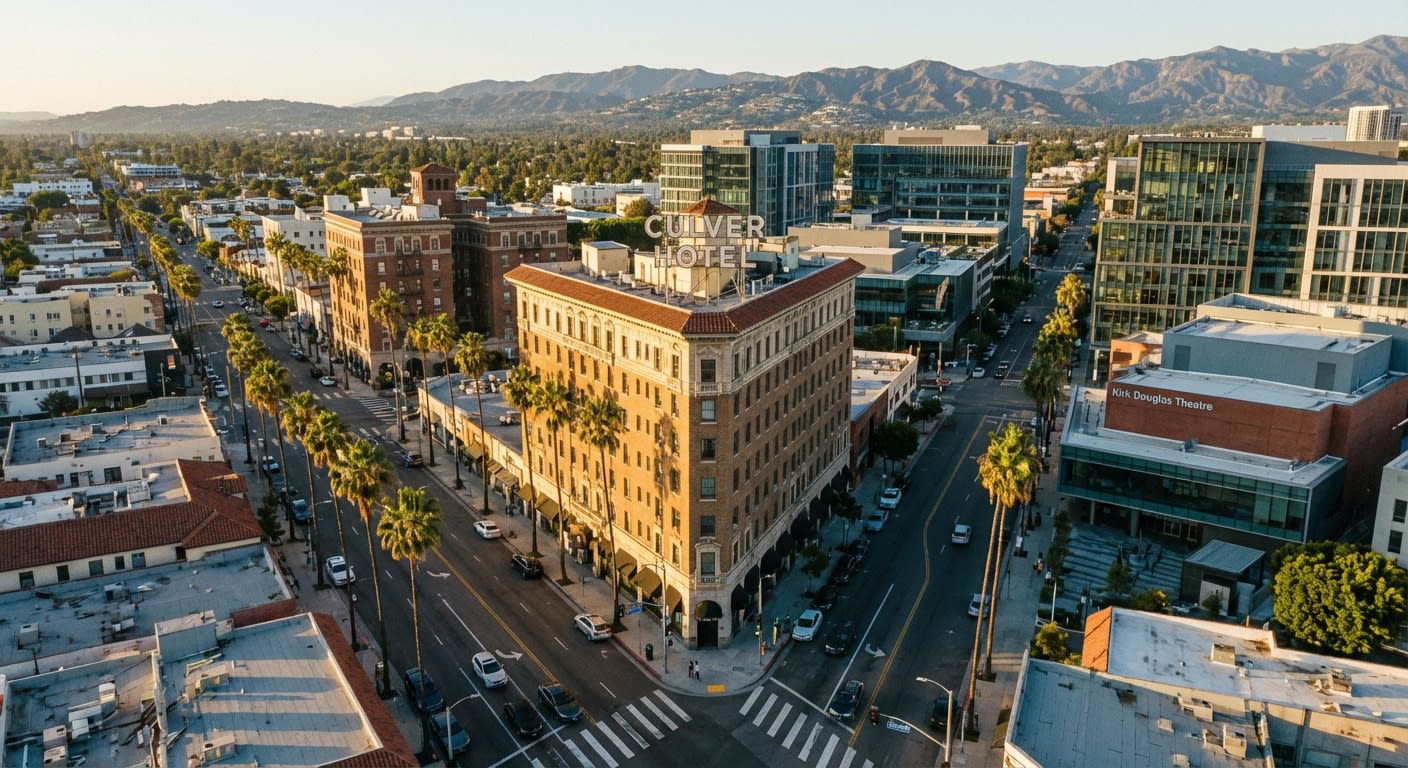
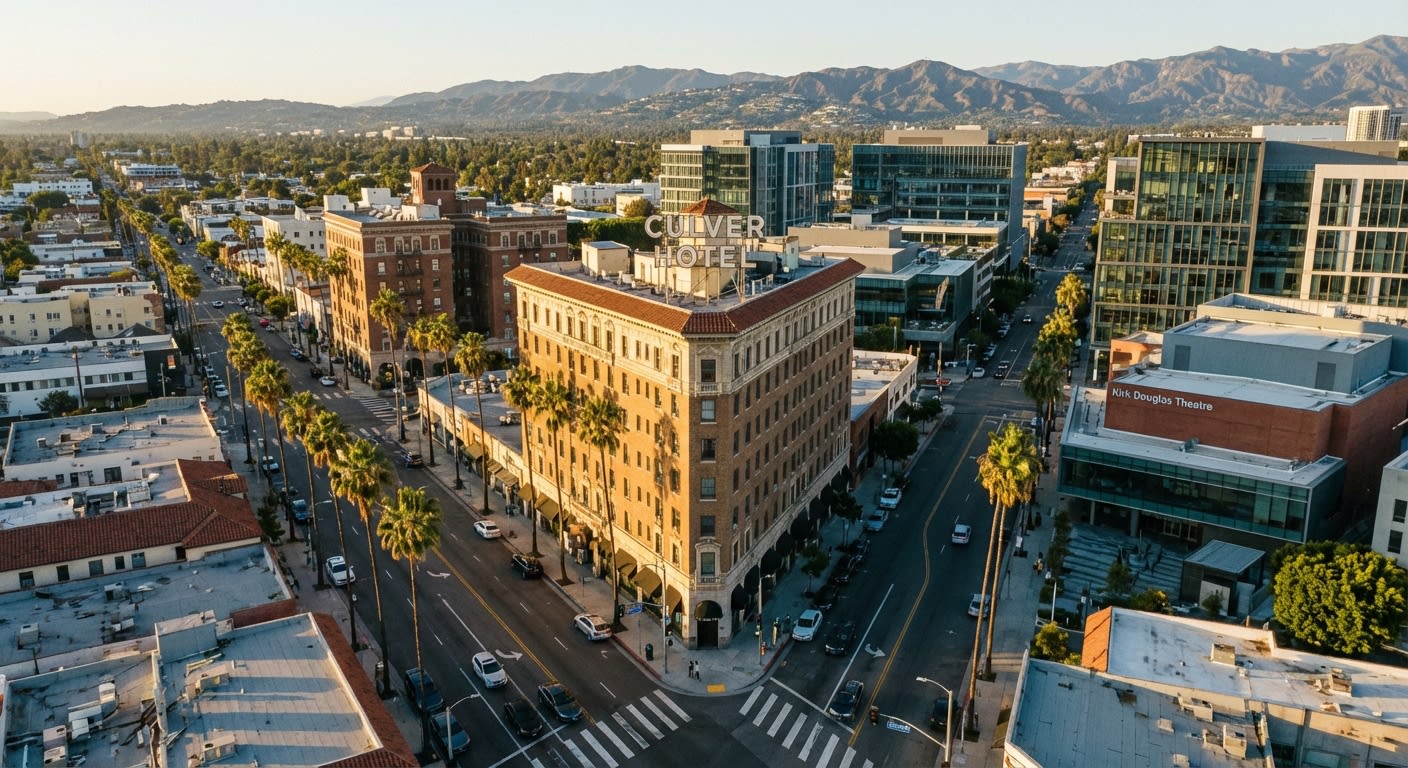
The downtown core runs along Culver Boulevard and Washington Boulevard, anchored by the historic Culver Hotel at the intersection with Main Street. This area has transformed dramatically since Sony Pictures began expanding its campus and tech companies flooded the neighborhood. Walking distance from downtown, you'll find the Arts District near the old Helms Bakery building, which houses design showrooms and some of the best coffee shops in the Westside.
To the north, you'll find the Hayden Tract, an industrial zone that architect Eric Owen Moss turned into an architectural playground starting in the 1980s. Today it houses tech offices, creative agencies, and some of the most Instagram-worthy buildings in Los Angeles. East of downtown, the neighborhoods become more residential, with tree-lined streets and mid-century homes near Culver City Park. The southern portion, near Slauson Avenue, tends to be more affordable and is experiencing rapid development.
When clients ask me about Culver City, I always recommend they spend a Saturday walking from the Ivy Station development near the Metro station down to the Platform shopping center, then over to the Arts District. That three-mile loop gives you a sense of how the city flows together.
The Best Neighborhoods for Different Lifestyles
Downtown Culver City works best for people who want walkability and nightlife. The blocks around Main Street and Culver Boulevard have dozens of restaurants, bars, and shops within a five-minute walk. I moved a young couple into the Citizen apartments last spring, and they sold their second car within a month because they could walk to work at Apple's offices and grab dinner without ever needing to drive. The trade-off is noise—Main Street gets lively on weekends, and the movie theater traffic on Fridays can be intense.
The Carlson Park neighborhood, east of Overland Avenue, attracts families looking for more space. The streets are quieter, the lots are larger, and Carlson Park itself has excellent playgrounds and picnic areas. I helped a family with three kids move from Santa Monica to a four-bedroom home on Lucerne Avenue last year. They gained 800 square feet and cut their rent by $1,500 a month while staying in a top-rated school district.
For creatives and design professionals, the Arts District near La Cienega and Washington remains the sweet spot. The Helms Bakery complex, the Platform, and the surrounding warehouse conversions create an environment that feels more Brooklyn than Los Angeles. Parking is easier here than in downtown, and you're close to the 10 freeway for commutes to DTLA or the Westside. I've moved numerous set designers, architects, and furniture makers into the lofts along Venice Boulevard in this area.
The McManus neighborhood in the southwest corner offers the most affordable entry point into Culver City. It's quieter and more suburban, with many original 1940s homes that haven't been renovated. My clients who buy here tend to be young professionals willing to do some updating in exchange for a lower purchase price and lower property taxes.
Parking Regulations and Moving Day Logistics
Culver City has some of the strictest parking enforcement in the Westside, and I've seen unprepared movers rack up hundreds of dollars in tickets. Street sweeping happens religiously, with most residential streets cleaned on Tuesday or Wednesday mornings. The city posts signs everywhere, but I always tell clients to walk their block and note the exact hours before moving day.
For moves requiring a truck to park on the street, you'll need a no-parking permit from the Culver City Transportation Department. The office is located at City Hall on Duquesne Avenue, and permits cost around $50 for a standard residential move. I recommend applying at least a week in advance, though they can sometimes accommodate rush requests. The permit gives you exclusive use of about 60 feet of curb space—enough for our largest trucks.
Downtown Culver City presents unique challenges because many buildings share alley access with restaurants and businesses. I moved a client into the Wainwright Building on Culver Boulevard and discovered that the loading zone was shared with a popular brunch spot. We started at 6 AM to finish before the restaurant opened at 9 AM. That early start saved us from competing with delivery trucks and restaurant staff.
If you're moving into one of the larger apartment complexes like the Ivy Station or the Cumulus, you'll need to coordinate with building management for elevator reservations and loading dock access. These buildings often have narrow windows for move-ins, sometimes just four hours, so I work closely with clients to ensure we're fully prepared before we arrive.
What to Expect from Culver City Housing
The housing stock in Culver City tells the story of the city's evolution. You'll find everything from 1920s Spanish Colonial Revival homes near downtown to mid-century modern gems in the Blair Hills area to brand-new luxury apartments near the Metro station. This variety means you can find something that fits almost any aesthetic preference, but it also means housing quality varies dramatically.
🚚 Planning your move to Culver City? I can help you navigate the logistics and find the best approach for your specific building. Call me at (949) 266-9445 or request a free quote to get started.
Rental prices have stabilized somewhat after the post-pandemic spike, but Culver City remains one of the pricier markets on the Westside. A one-bedroom apartment in a newer building near downtown typically runs between $2,800 and $3,500 per month. Two-bedrooms range from $3,500 to $5,000 depending on amenities and location. The older garden-style apartments along Sepulveda Boulevard offer more affordable options, though you'll sacrifice in-unit laundry and modern finishes.
For buyers, the median home price hovers around $1.4 million, though that number includes everything from tear-down fixers to fully renovated showpieces. I've noticed more of my clients purchasing condos in the $700,000 to $900,000 range as an entry point into the market. The townhome developments along Jefferson Boulevard near the Expo Line have been particularly popular with young families who want ownership without the maintenance burden of a single-family home.
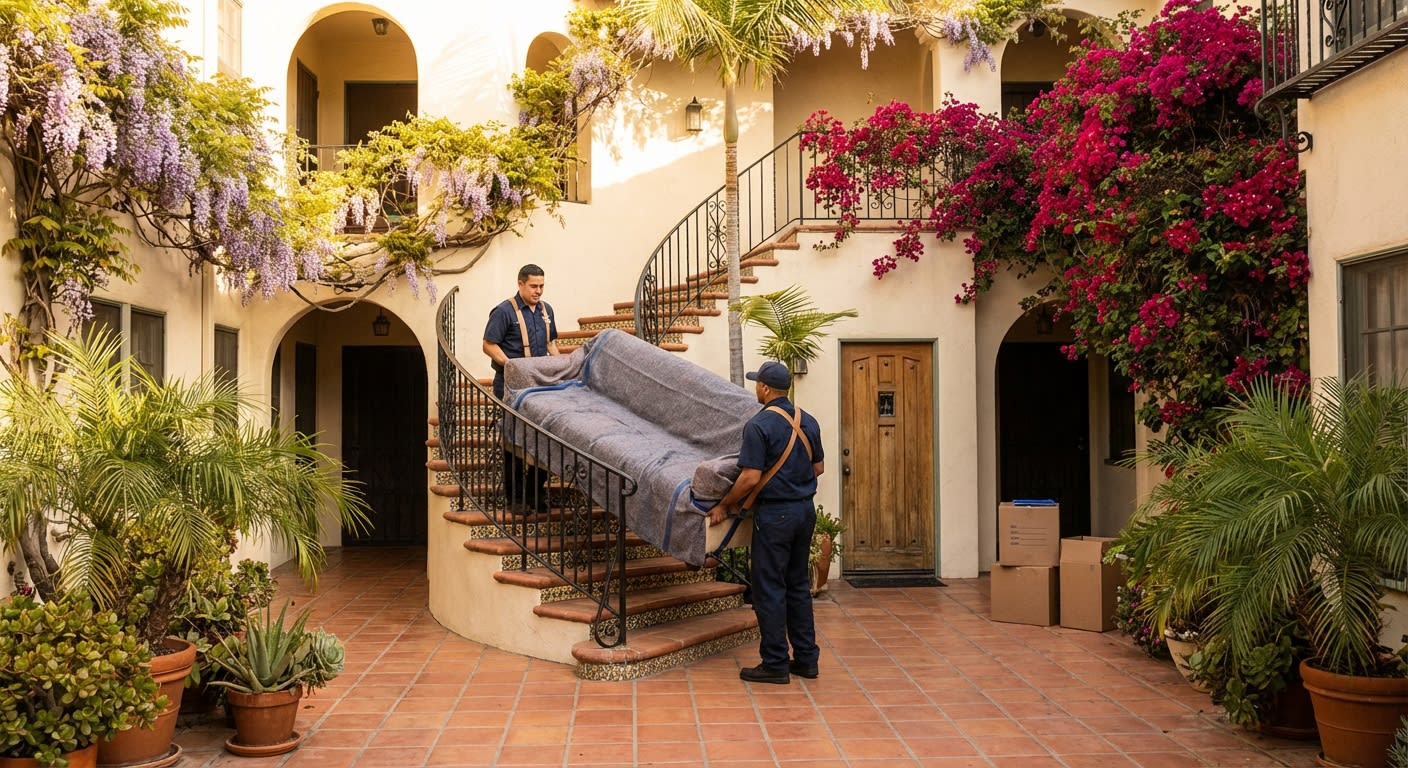
One thing I always mention to clients considering older homes in Culver City: many were built with narrow hallways, tight staircases, and small doorways. I've had to remove doors from hinges, disassemble bed frames, and even hoist furniture through windows to get pieces into some of these charming vintage homes. If you're moving large furniture, have your moving company do a walkthrough before committing to any pieces that might not fit.
Transportation and Commuting from Culver City
The opening of the Metro E Line (formerly Expo Line) in 2012 transformed Culver City into one of the most transit-connected neighborhoods on the Westside. The Culver City station at Washington and National Boulevards puts you about 25 minutes from downtown Los Angeles and 20 minutes from Santa Monica. I've moved several clients specifically because they wanted to ditch their cars and rely on the Metro for their commutes.
Driving from Culver City offers decent access to multiple freeways, though "decent" is relative in Los Angeles. The 10 freeway runs along the northern edge of the city, connecting you to Santa Monica westbound and downtown eastbound. The 405 is accessible via National Boulevard or Sepulveda, though the interchange with the 10 is one of the most congested in the region. I advise clients working on the Westside to avoid the 405 entirely and use surface streets like Venice Boulevard or Pico Boulevard instead.
Culver City has invested heavily in bike infrastructure, with protected lanes along Culver Boulevard, Jefferson Boulevard, and portions of Venice Boulevard. The Ballona Creek bike path runs along the southern edge of the city, connecting to the beach path in Playa del Rey. I've moved cyclists who specifically chose Culver City because they could commute to offices in Playa Vista or Marina del Rey entirely on protected bike routes.
For those working in the entertainment industry, Culver City's central location is ideal. Sony Pictures, Amazon Studios, and Apple's video division are all based here. The drive to Warner Bros in Burbank takes about 30 minutes without traffic, and Paramount in Hollywood is about 20 minutes. I moved a production coordinator who was constantly traveling between studios, and she calculated that living in Culver City saved her over an hour of driving per day compared to her previous apartment in Silver Lake.
Schools and Family Considerations
The Culver City Unified School District is one of the primary draws for families moving to Culver City from neighboring Los Angeles neighborhoods. The district is relatively small, with just 13 schools serving about 7,000 students, which creates a tight-knit community feel. El Marino Language School offers Spanish-Japanese dual immersion and consistently ranks among the top elementary schools in the region.
Culver City High School has undergone significant improvements over the past decade, with new facilities and expanded programs. The campus sits on a hill overlooking the city, and its football stadium hosts Friday night games that bring out the whole community. I moved a family from Mar Vista specifically so their daughter could attend Culver City High and participate in its award-winning theater program.
For families with younger children, the parks and recreation options in Culver City are excellent. Veterans Memorial Park has a large playground, sports fields, and a community center with affordable programs. The Culver City Senior Center might seem irrelevant to young families, but it offers intergenerational programs that my clients with kids have found valuable. The city also runs summer camps, after-school programs, and youth sports leagues that integrate well with the school calendar.
Childcare options vary by neighborhood. The areas near downtown have several well-regarded preschools, including the Culver City Co-Op Nursery School, which has been operating since 1941. Waitlists for popular programs can stretch over a year, so I always tell expecting parents moving to Culver City to start researching childcare options immediately, even before they've unpacked.
Dining, Shopping, and Daily Life
Culver City's restaurant scene has exploded over the past five years, transforming it from a food desert into one of the most exciting dining destinations on the Westside. The downtown corridor along Main Street and Culver Boulevard now rivals Abbot Kinney in Venice for variety and quality. I've become personally fond of Hatchet Hall for Southern-inspired fare, Destroyer for its inventive lunch menu, and Lukshon for Asian-fusion that never disappoints.
For everyday shopping, the Platform development near Hayden Avenue has become the unofficial town center, with boutique shops, a Blue Bottle Coffee, and a small grocery store. The Trader Joe's on National Boulevard is perpetually crowded but well-stocked, while the larger Ralphs on Sepulveda serves as the go-to for full grocery runs. I always tell clients moving from more spread-out areas that Culver City's compact size means you'll probably find yourself shopping at three or four stores rather than doing everything at one big box retailer.
The farmers market on Tuesday afternoons in the downtown area brings out local produce vendors, prepared food stalls, and a community vibe that I haven't found replicated anywhere else on the Westside. It runs year-round from 2 PM to 7 PM, and parking becomes challenging in the surrounding blocks during those hours. I schedule moves to avoid that window whenever possible.
For entertainment beyond dining, the Kirk Douglas Theatre hosts productions from Center Theatre Group, bringing professional theater to a neighborhood venue. The Culver Theater, a renovated single-screen cinema, shows a mix of first-run films and special screenings. The Sony Pictures studio lot occasionally opens for tours and events, giving residents a peek behind the curtain of the entertainment industry that defines so much of the city's identity.
Green Spaces and Outdoor Activities
Despite its urban density, Culver City offers surprising access to nature and outdoor recreation. Baldwin Hills Scenic Overlook, just outside the city boundary, provides hiking trails with panoramic views stretching from downtown Los Angeles to the Pacific Ocean. The steep staircase to the overlook has become a popular workout destination, and I've moved several fitness enthusiasts who specifically wanted to live within walking distance of those stairs.
Culver City Park, spread across 46 acres near the Carlson Park neighborhood, serves as the city's primary recreational hub. The park includes baseball diamonds, tennis courts, a skate park, and plenty of open grass for picnics and informal sports. I moved a family with two dogs who use the park daily, and they've connected with a whole community of dog owners who gather in the early mornings.
The Ballona Creek trail system runs along the southern edge of Culver City, offering a car-free route from the city all the way to the beach in Playa del Rey. The trail is popular with cyclists, runners, and walkers, though it can feel industrial in some stretches. I recommend it for practical transportation more than scenic recreation, though the final stretch near the marina is genuinely beautiful.
For those interested in environmental sustainability, Culver City has committed to significant green initiatives, including plans for additional protected bike lanes and electric vehicle charging infrastructure. This aligns well with our approach at Green Moving LA, where we've incorporated sustainable practices into every aspect of our operations. Many of my clients choose Culver City specifically because of its forward-thinking environmental policies.
Working with Unique Culver City Buildings
Moving in Culver City presents specific challenges that vary dramatically based on building type and era. The historic apartment buildings near downtown, many built in the 1920s and 1930s, often have narrow stairwells, non-functioning elevators, and hallways that can't accommodate standard mattress dimensions turned on their sides. I've developed relationships with building managers throughout the area who can advise on the best approach for their specific properties.
The newer luxury buildings near the Metro station have their own complications. Ivy Station, for example, requires all moves to go through a specific loading dock with a reservation system. The elevators are modern and spacious, but access windows are limited, and building management charges fees for overtime. I coordinate directly with property managers to ensure we maximize our allotted time and avoid unnecessary charges for my clients.
For clients moving into single-family homes, I always recommend a pre-move walkthrough to identify potential obstacles. Many of the vintage Culver City homes have been updated with open floor plans on the main level but retain original narrow staircases to upper floors. I've had to bring in our white glove team to hoist king-sized mattresses and large dressers through second-story windows when the stairs simply wouldn't accommodate them.
The industrial conversions in the Arts District present unique opportunities and challenges. These lofts often have freight elevators, wide doorways, and open layouts that make moving large furniture easy. However, the loading areas are typically shared with operating businesses, requiring careful coordination and sometimes weekend scheduling to avoid conflicts.
Frequently Asked Questions About Moving to Culver City
What is the best time of year to move to Culver City?
I find that late fall and winter, specifically October through February, offer the smoothest moving experiences in Culver City. The weather remains mild, rental inventory increases as holiday relocations create turnover, and competition for moving services decreases. Summer moves are possible but expect higher prices and less scheduling flexibility due to peak demand.
How far in advance should I book movers for a Culver City relocation?
For moves into Culver City, I recommend booking at least three weeks in advance for standard residential moves and four to six weeks for moves involving large items or complex building requirements. Weekend dates fill up fastest, especially the first and last weekends of each month when most leases turn over.
Are there specific parking permits required for moving trucks in Culver City?
Yes, Culver City requires a no-parking permit from the Transportation Department for any moving truck that needs to park on a public street. The permit costs approximately $50 and reserves about 60 feet of curb space. Apply at City Hall on Duquesne Avenue at least one week before your move date. Many apartment complexes also require additional permits from building management.
What should I know about utilities and services when moving to Culver City?
Culver City has its own utilities, separate from LADWP, which surprises many newcomers. You'll set up electric and water service through the City of Culver City Utilities Department rather than the Los Angeles agencies. Gas service still goes through SoCalGas. Internet options include Spectrum and AT&T Fiber in most areas, with Fiber availability expanding in newer developments.
How does Culver City compare to nearby neighborhoods like Palms or Mar Vista?
Culver City offers better schools, more walkable commercial areas, and a distinct municipal identity compared to the Los Angeles neighborhoods that border it. Palms and Mar Vista provide similar housing options at somewhat lower prices but lack the concentrated dining, entertainment, and transit access of downtown Culver City. The trade-off is higher costs and more competition for housing in Culver City proper.
What items require special handling when moving into older Culver City homes?
Large sectional sofas, king-sized box springs, and oversized artwork frequently cause problems in vintage Culver City homes with narrow staircases and doorways. I recommend measuring all doorways and stairwells before purchasing large furniture, and considering split box springs or mattresses-in-a-box for bedrooms on upper floors. Our packing specialists can advise on protecting fragile items during complex moves.
Making Your Move to Culver City Successful
After hundreds of moves into Culver City, I've learned that success comes from understanding the specific character of your destination neighborhood and building. The family moving into a 1940s bungalow in Carlson Park faces entirely different challenges than the young professional settling into a loft in the Arts District. Both can have excellent moving experiences with proper preparation.
I genuinely enjoy helping clients discover Culver City. The city has managed to develop rapidly while maintaining neighborhood character and community connections that have disappeared in many parts of Los Angeles. Whether you're drawn by the restaurants, the transit access, the schools, or the creative energy, you're moving to a place that rewards exploration and engagement.
When you're ready to plan your move, I'm here to help navigate the logistics. Our team at Green Moving LA handles everything from local residential moves to complex full-service relocations that include packing, furniture assembly, and specialty item handling. We know Culver City's buildings, parking requirements, and neighborhood quirks because we work here constantly.
Reach out to start planning your Culver City move. Call me directly at (949) 266-9445, email us at sales@greenmovingla.com, or request a free quote online. I look forward to helping you settle into one of the Westside's most dynamic neighborhoods. Green Moving LA operates under California license CAL-T 201327, and we bring the same care to every move that we'd want for our own families.
Booking early ensures you get your preferred date and often better rates.
Always ask for a detailed written estimate before signing.
3-bedroom house: $1,200–$2,200 (5–7 hours)
Prices include 2–3 movers, truck, and basic insurance.